Today’s Headlines
Schumer Feared Infrastructure Would Split Dems, But Trump Led With Healthcare Instead (Axios, Vanity Fair) In Wake of Obamacare Repeal Collapse, CityLab Urges GOP to Turn to Infrastructure Seattle Has Made Little Progress Reducing Greenhouse Gases Because People Are Driving Too Much (KUOW) Autonomous Vehicles Could Entrench Car Ownership Even Further (Guardian) Car-Free Renters Typically … Continued

8:55 AM EDT on July 19, 2017
- Schumer Feared Infrastructure Would Split Dems, But Trump Led With Healthcare Instead (Axios, Vanity Fair)
- In Wake of Obamacare Repeal Collapse, CityLab Urges GOP to Turn to Infrastructure
- Seattle Has Made Little Progress Reducing Greenhouse Gases Because People Are Driving Too Much (KUOW)
- Autonomous Vehicles Could Entrench Car Ownership Even Further (Guardian)
- Car-Free Renters Typically Pay 16% of Their Rent for a Parking Spot They Don’t Use (Quartz)
- Facepalm: National Renewable Energy Lab’s Suburban Denver Campus Has Lots of Free Parking (City Observatory)
- California Transportation Chief: 65% of State’s New Transportation Spending Goes to Fix-It-First (Governing)
- Cap-and-Trade Program Extended to 2030 After Bipartisan Vote by California Legislature Yesterday (LA Times, Streetsblog California)
- Opposition to Oregon Bike Tax Crops Up From Republicans and John Birch Society (Fox News, New American)
- Protected Bike Lanes Can Do the Most Good Where People Are Already Bicycling (Strong Towns)

In spring 2017, Stephen wrote for Streetsblog USA, covering the livable streets movement and transportation policy developments around the nation.
From August 2012 to October 2015, he was a reporter for Streetsblog NYC, covering livable streets and transportation issues in the city and the region. After joining Streetsblog, he covered the tail end of the Bloomberg administration and the launch of Citi Bike. Since then, he covered mayoral elections, the de Blasio administration's ongoing Vision Zero campaign, and New York City's ever-evolving street safety and livable streets movements.
Read More:
Streetsblog has migrated to a new comment system. New commenters can register directly in the comments section of any article. Returning commenters: your previous comments and display name have been preserved, but you'll need to reclaim your account by clicking "Forgot your password?" on the sign-in form, entering your email, and following the verification link to set a new password — this is required because passwords could not be carried over during the migration. For questions, contact tips@streetsblog.org.
More from Streetsblog USA
Inside Baseball: Kuntzman To Step Down At Streetsblog; David Meyer To Take Over
Streetsblog's longtime editor will take on new challenges. And so will his successor.

October 9, 2026

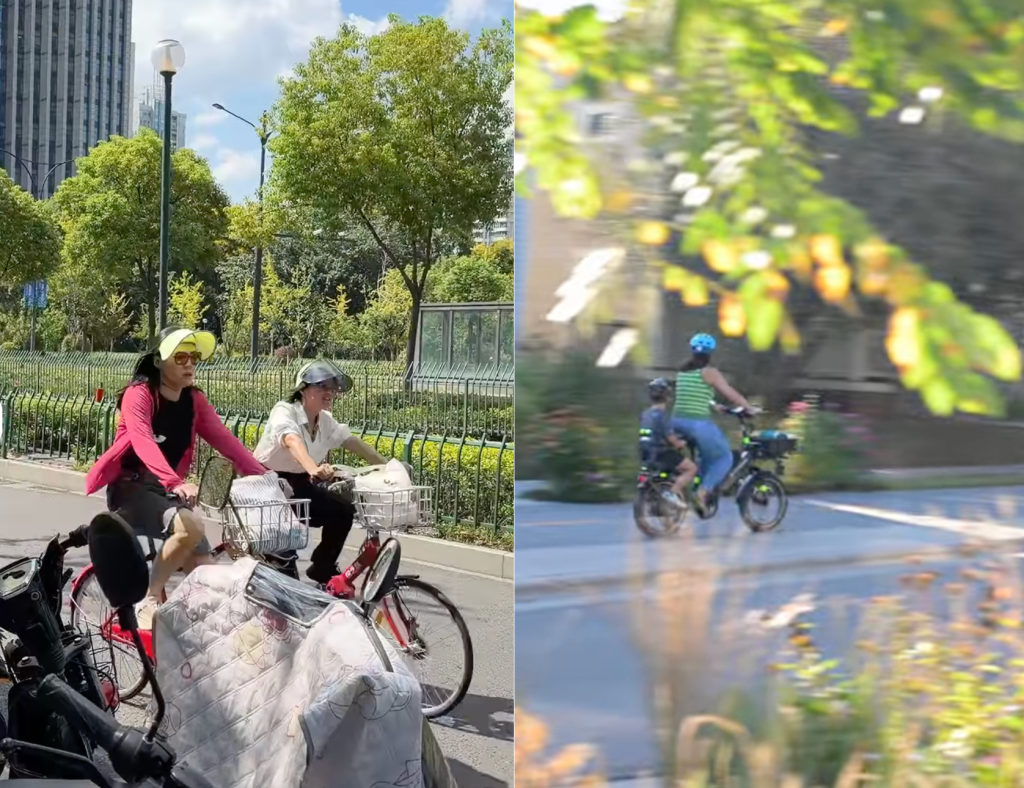
Friday Video(s): Two Urban Cycling Trips Worth Taking
Choose your own urban cycling adventure: domestic or international edition.

October 9, 2026
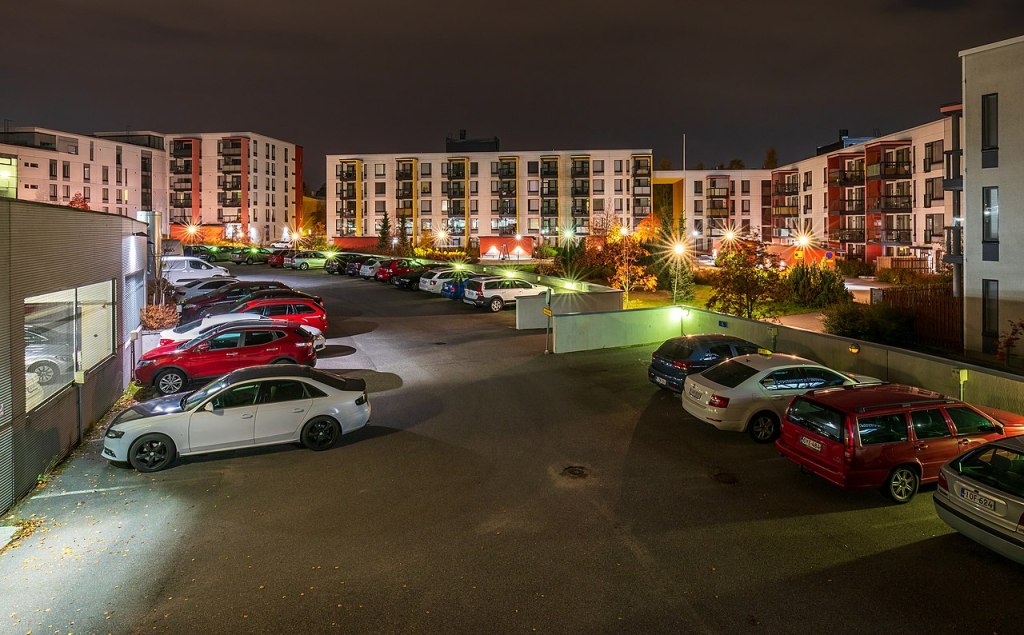
Friday’s Headlines Pay a Lot for Parking
The average apartment-dweller pays $200 a month for a parking space, included in their rent, whether they use it or not.

October 9, 2026
Talking Headways Podcast: The Long Road to Real Transit Progress
Jeff Wood and Reece Martin discuss China’s lessons for American infrastructure.

October 8, 2026

Thursday’s Headlines Are Another Front in the Culture War
David Zipper explains how transportation, once an issue with broad consensus, became politically polarized.
October 8, 2026