Today’s Headlines
U.S. Car Sales Down From Post-Recession High, With Possible Long-Term Stagnation (BBC) Billions Will Go Down the Drain as Self-Driving Car Bonanza Results In Handful of Winners (Bloomberg) Georgia’s Latest Idea to Expand Highways: Toll-Free Truck-Only Lanes Near Atlanta (WSB) Could High-Speed Rail Network Revitalize Southern New England’s Mid-Sized Cities? (Bloomberg) Portland Businesses Cry Out … Continued

8:55 AM EDT on July 13, 2017
- U.S. Car Sales Down From Post-Recession High, With Possible Long-Term Stagnation (BBC)
- Billions Will Go Down the Drain as Self-Driving Car Bonanza Results In Handful of Winners (Bloomberg)
- Georgia’s Latest Idea to Expand Highways: Toll-Free Truck-Only Lanes Near Atlanta (WSB)
- Could High-Speed Rail Network Revitalize Southern New England’s Mid-Sized Cities? (Bloomberg)
- Portland Businesses Cry Out for Parking Solution; Obvious First Step: Add Meters (Oregon Business)
- Suburban Democrats Voted Against Oregon Transportation Deal Because of Highway Tolls (Willamette Week)
- Gov. Cuomo Backs Buffalo Light Rail Expansion, But It’s Far From a Sure Thing (Investigative Post)
- Nashville Mayor Backs Off Airport Privatization as Revenue Source to Build Light Rail (Biz Journal)
- Knives Are Out to Kill Pedestrian Safety Improvements in Honolulu’s Chinatown (Civil Beat)
- Residents Fear Traffic From Wider Sidewalks, Fewer Car Lanes on Route 1 in North Palm Beach (PB Post)

In spring 2017, Stephen wrote for Streetsblog USA, covering the livable streets movement and transportation policy developments around the nation.
From August 2012 to October 2015, he was a reporter for Streetsblog NYC, covering livable streets and transportation issues in the city and the region. After joining Streetsblog, he covered the tail end of the Bloomberg administration and the launch of Citi Bike. Since then, he covered mayoral elections, the de Blasio administration's ongoing Vision Zero campaign, and New York City's ever-evolving street safety and livable streets movements.
Read More:
Streetsblog has migrated to a new comment system. New commenters can register directly in the comments section of any article. Returning commenters: your previous comments and display name have been preserved, but you'll need to reclaim your account by clicking "Forgot your password?" on the sign-in form, entering your email, and following the verification link to set a new password — this is required because passwords could not be carried over during the migration. For questions, contact tips@streetsblog.org.
More from Streetsblog USA


Anyone Can Access Friday’s Headlines
Just putting a bike in someone's hands is the best way to get them to ride one.

September 11, 2026

I Care About E-Bike Safety 0.02 Percent of The Time
Click-bait media outlets would have you think we should drop everything and do something about the scary threat of battery-powered bicycles and battery-powered motorcycles. But are either the biggest threat that road users face?

September 11, 2026
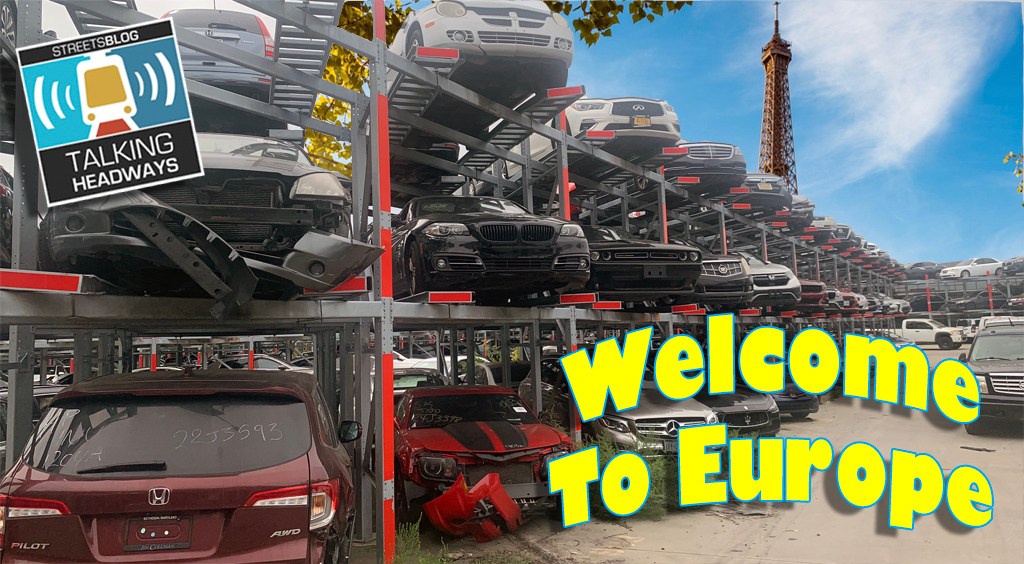
Talking Headways Podcast: Carspreading
Decisions about our public space are not being made at City Hall, but in car showrooms around the world.

September 10, 2026
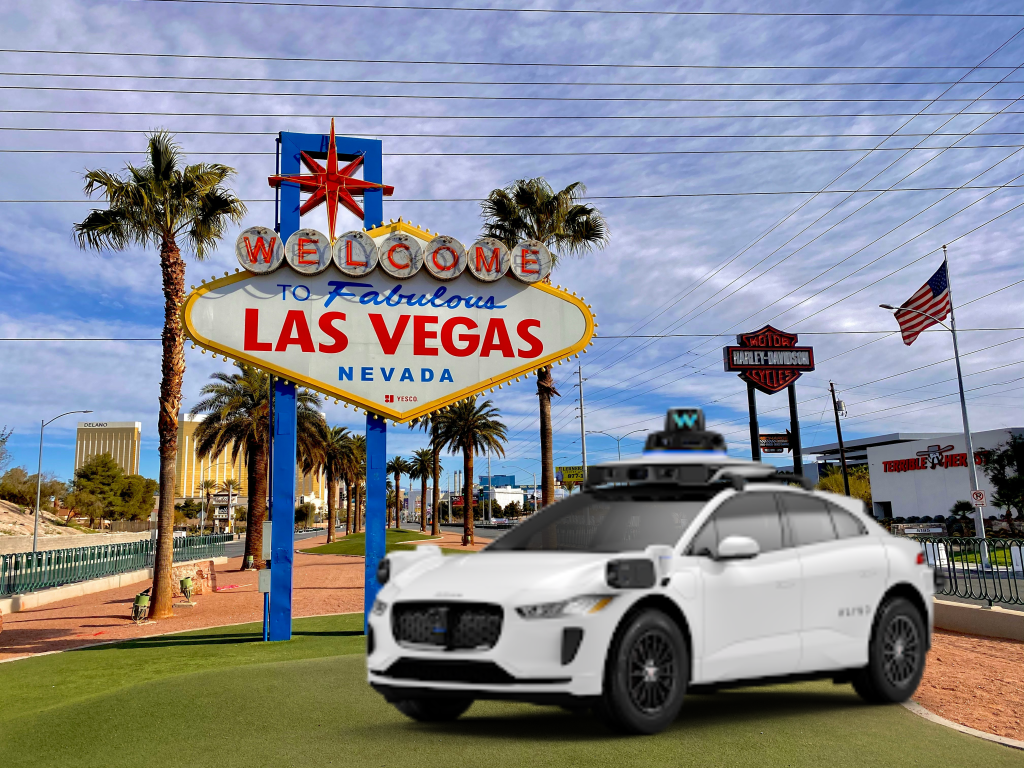
Waymo’s Nevada Rollout Violates Accessibility Law, Disability Activist Claims
The company says it plans to comply, but true equality is years away.

September 10, 2026