Today’s Headlines
Frustrated With Judge’s Delay, Maryland Asks for Emergency Ruling to Allow Purple Line to Proceed (WaPo) King County Metro Adds More Buses to Serve Flood of Amazon Interns (Seattle Times) Higher Fares, Less Service, More Disruptions, Fewer Riders: WMATA’s “Death Spiral” (WAMU) South Carolina Transit Struggles With Lack of Funding and Sprawling, Car-Dependent Cities (Post and Courier) Suburban Fulton … Continued

8:55 AM EDT on June 26, 2017
- Frustrated With Judge’s Delay, Maryland Asks for Emergency Ruling to Allow Purple Line to Proceed (WaPo)
- King County Metro Adds More Buses to Serve Flood of Amazon Interns (Seattle Times)
- Higher Fares, Less Service, More Disruptions, Fewer Riders: WMATA’s “Death Spiral” (WAMU)
- South Carolina Transit Struggles With Lack of Funding and Sprawling, Car-Dependent Cities (Post and Courier)
- Suburban Fulton County, Outside Atlanta, Begins Work on Transit Master Plan (AJC)
- Officials Begin Planning to Tame Extra-Wide Streets in Downtown Rochester, NH (Fosters.com)
- Undoing a Parking Crater: Akron Seeks Ideas for Downtown, Which Is One-Third Parking Lots (Cleveland.com)
- Employers Should Allow Their Workers to Accept Cash Instead of Free Parking as a Commuting Perk (NRDC)
- The Barnes Dance “Pedestrian Scramble” Makes a Comeback (Governing)
- Pop-Up Bike Lane Gets Use in Elk River, MN (Star News)

In spring 2017, Stephen wrote for Streetsblog USA, covering the livable streets movement and transportation policy developments around the nation.
From August 2012 to October 2015, he was a reporter for Streetsblog NYC, covering livable streets and transportation issues in the city and the region. After joining Streetsblog, he covered the tail end of the Bloomberg administration and the launch of Citi Bike. Since then, he covered mayoral elections, the de Blasio administration's ongoing Vision Zero campaign, and New York City's ever-evolving street safety and livable streets movements.
Read More:
Streetsblog has migrated to a new comment system. New commenters can register directly in the comments section of any article. Returning commenters: your previous comments and display name have been preserved, but you'll need to reclaim your account by clicking "Forgot your password?" on the sign-in form, entering your email, and following the verification link to set a new password — this is required because passwords could not be carried over during the migration. For questions, contact tips@streetsblog.org.
More from Streetsblog USA
Inside Baseball: Kuntzman To Step Down At Streetsblog; David Meyer To Take Over
Streetsblog's longtime editor will take on new challenges. And so will his successor.

October 9, 2026

Friday Video(s): Two Urban Cycling Trips Worth Taking
Choose your own urban cycling adventure: domestic or international edition.

October 9, 2026
Friday’s Headlines Pay a Lot for Parking
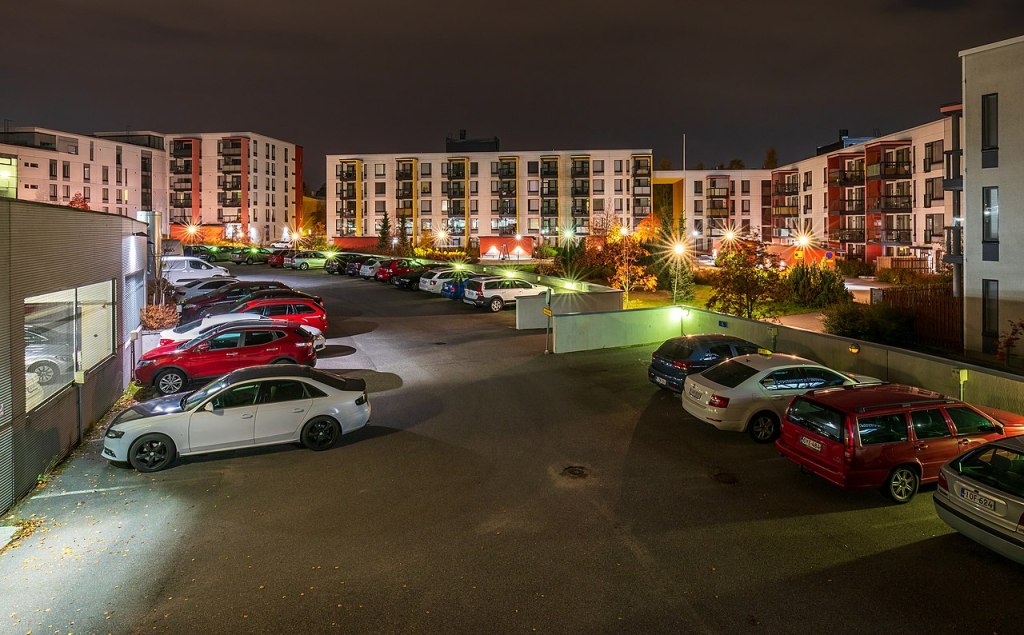
The average apartment-dweller pays $200 a month for a parking space, included in their rent, whether they use it or not.

October 9, 2026
Talking Headways Podcast: The Long Road to Real Transit Progress
Jeff Wood and Reece Martin discuss China’s lessons for American infrastructure.

October 8, 2026

Thursday’s Headlines Are Another Front in the Culture War
David Zipper explains how transportation, once an issue with broad consensus, became politically polarized.
October 8, 2026