Dallas Highway Teardown PAC Snags Two Council Seats. Next Up: Runoff
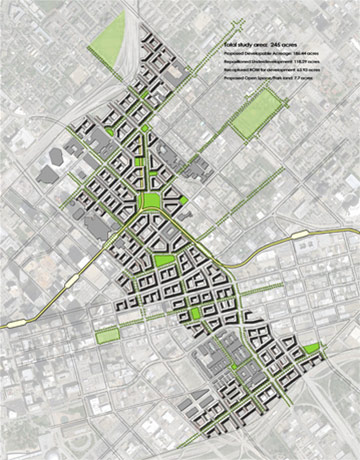
A coalition of Dallas residents trying to build a more walkable, people-friendly city gained some momentum in Tuesday’s election, picking up at least two City Council seats. At stake is the potential replacement of a downtown highway segment with mixed-use development and parks. The balance of power in the council now comes down to a June runoff.
There were six open seats in the 14-member council, plus two incumbents facing challengers. Supporters of the highway teardown have to win four of the eight contested races to gain a majority on the council.
A New Dallas, the recently-launched political action committee which backs the highway teardown, endorsed candidates in four of the races for open seats. Co-founder Patrick Kennedy said the group was pleasantly surprised that two of its endorsed candidates — Mark Clayton and Carolyn King Arnold — got the necessary 50 percent to avoid a runoff altogether. The two other endorsees didn’t get into run-offs, but Kennedy said their campaigns influenced candidates who did, and the council’s position on the highway teardown will come down to the June election.
The coalition hopes to continue organizing on behalf of urban neighborhoods into the June runoff and well beyond, said Kennedy.
“We’ve demonstrated that we’re a legitimate political machine able to influence elections in just a few short months in operation, with strong grassroots neighborhood energy, business support, and a litany of very talented professionals volunteering their skills,” he said.
In addition to the future of I-345, the next council will have a big say over whether to build the $1.5 billion Trinity Toll Road, a highway proposed to run alongside the Trinity River. The outcome of these highway proposals will have a huge impact on Dallas’s neighborhoods and the way people move around America’s ninth-largest city.
The future of the toll road likely comes down to three runoff races, reports the Dallas Morning News’ Brandon Formby. Kennedy said his group did not specifically campaign against the toll road, but many members are against it.
“We’re not just about this year’s election or just IH345, but long-term grassroots outreach, education, and empowerment to find and support emerging neighborhood leaders who share our mission of revitalized Dallas neighborhoods,” he said.

Read More:
Streetsblog has migrated to a new comment system. New commenters can register directly in the comments section of any article. Returning commenters: your previous comments and display name have been preserved, but you'll need to reclaim your account by clicking "Forgot your password?" on the sign-in form, entering your email, and following the verification link to set a new password — this is required because passwords could not be carried over during the migration. For questions, contact tips@streetsblog.org.