House Bill Proposes to Slash TIGER Funding
Federal lawmakers are running out of time to come up with a long-term transportation funding solution by May 31, when the current bill expires. Meanwhile, the House Appropriations Committee has released a budget for FY 2016, which begins in October, that proposes to drastically reduce funds for projects that promote walking and biking.
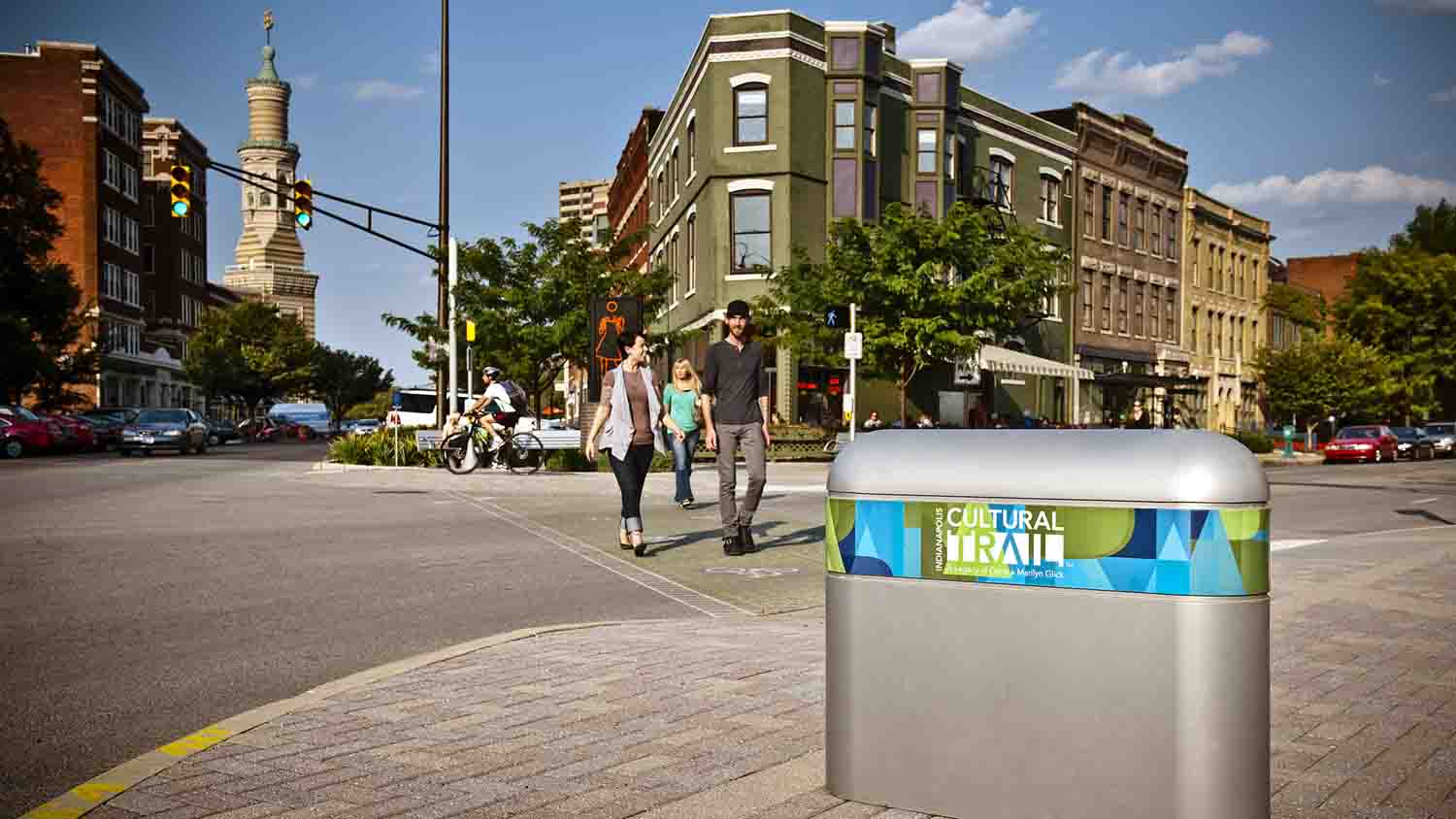
The budget proposal calls for keeping transit and highway funding about the same as this year. It also calls for big cuts to the enormously popular TIGER program, which has helped fund projects like Tampa’s Riverwalk and the Indianapolis Cultural Trail.
The proposal would cut TIGER funding from $500 million to $100 million. The bill calls for reducing the size of individual grants from a minimum of $10 million to $2 million, and from a maximum of $200 million to $15 million. The bill would also increase the required local match from 40 to 50 percent.
Fortunately, this proposal will have to be hammered out with the Senate, which is likely to be more friendly to TIGER, says Transportation for America’s David Goldberg.
“We know that there’s pretty solid support for TIGER in the Senate,” Goldberg said. “We expect their number to be higher … but we’ll see if we can get it up to what it was this year.”
On the bright side, Goldberg said, this year’s appropriations bill doesn’t call for limiting TIGER funding to road, bridge, and port projects, like early proposals did last year.
The appropriations bill also proposes cuts to the New Starts program, which provides federal funds for major new transit projects. Under the House proposal, New Starts would receive $200 million less in total funding, for a total of $1.92 billion. All projects that already have a full funding agreement with the federal government would receive their money. The bill would leave an additional $250 million for other projects.

Read More:
Streetsblog has migrated to a new comment system. New commenters can register directly in the comments section of any article. Returning commenters: your previous comments and display name have been preserved, but you'll need to reclaim your account by clicking "Forgot your password?" on the sign-in form, entering your email, and following the verification link to set a new password — this is required because passwords could not be carried over during the migration. For questions, contact tips@streetsblog.org.