The Terrible 60-Year-Old Parking Advice That’s Still Haunting America

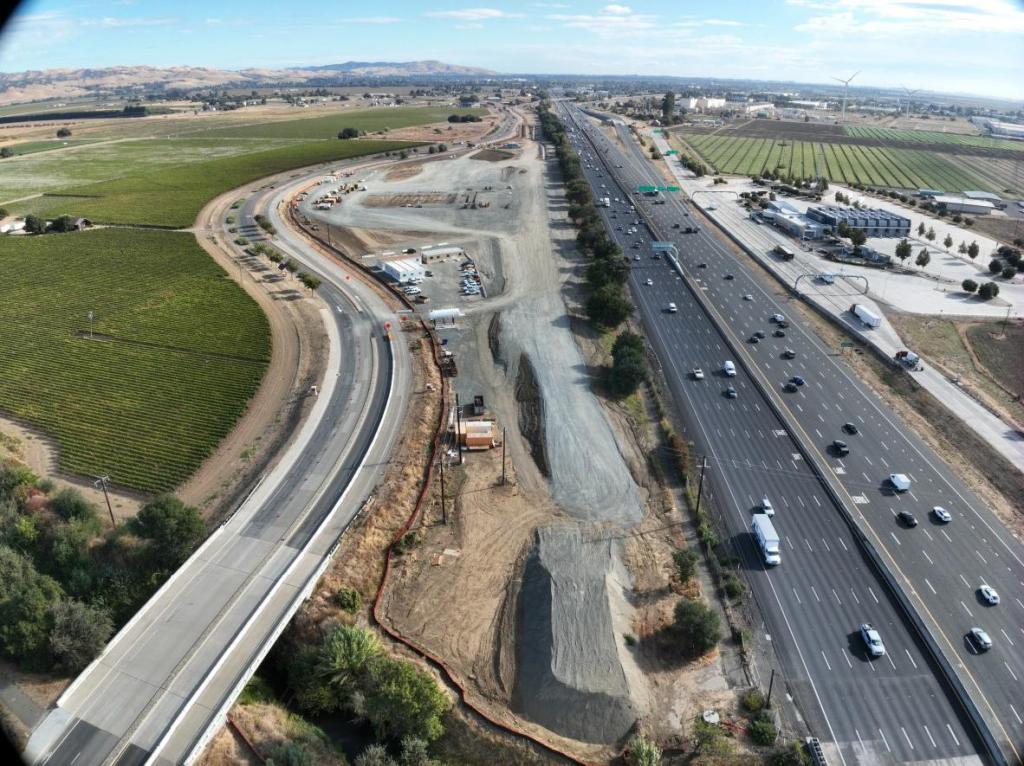
Scenes like the one above — enormous pieces of land devoted to half-empty parking lots — are ubiquitous throughout the United States. And that’s no accident.
Chuck Marohn at Strong Towns was looking over some 1954 guidance from the American Planning Association. Today, most planners would recognize it as terribly destructive, but it still holds sway to a remarkable degree.
Here is Marohn’s take on the 60-year-old advice that made so much of America a car-dependent mess:
It’s clear already by 1954 that planners know more than developers and must righteously defend the public good.
The shopper wants a space he can find easily, with a minimum of difficulty in moving around the parking area, and one that is located near the store or store group in which he is going to shop. The fault is sometimes with the developers who have underestimated the need for parking space or found the land too valuable to be devoted to parking.
Those greedy developers! How terrible of them to think of things like the value of land. It’s so sad that, even then, planners seemed to think that convenient parking and not land values would determine the future prosperity of a place.
Can you have too much parking?
We know of no existing center that has too much parking. Some parking spaces it is true are not economically used, due to their distant location from the stores. The poorly located spaces would be used more frequently if they were more conveniently located.
Most planners I meet today get how messed up our approach to parking is and are working to change it in their cities. Most zoners I meet would read this technical paper and seek to apply its findings in rote form to their community, not realizing (or perhaps not caring even if they did) that it is over 60 years old.
Elsewhere on the Network today: Mobilizing the Region says Connecticut is uniquely positioned to implement congestion pricing on its highways, if leaders will only consider it. Streets.mn reports that Minneapolis is getting its first “woonerf.” And Peninsula Transportation Alternatives critiques the idea that Palo Alto should cap office development to address its parking and congestion problems.

Read More:
Streetsblog has migrated to a new comment system. New commenters can register directly in the comments section of any article. Returning commenters: your previous comments and display name have been preserved, but you'll need to reclaim your account by clicking "Forgot your password?" on the sign-in form, entering your email, and following the verification link to set a new password — this is required because passwords could not be carried over during the migration. For questions, contact tips@streetsblog.org.