Missouri Says No to Amendment 7’s Monster Tax Hike for Roads

Last night, Missourians decided overwhelmingly to reject a ballot initiative that would have raised the sales tax by three-quarters of a cent to pay, almost exclusively, for roads. It would have been the largest tax increase in the state’s history.
Voters voted 59 percent to 41 percent to reject the tax.
“It’s difficult to pass a tax increase in Missouri,” said Terry Ganey, spokesman for the opposition group Missourians for Better Transportation Solutions. “It’s impossible to pass an unfair tax increase in Missouri.”
Missourians for Better Transportation Solutions opposed the tax, saying 85 percent of the $5.4 billion it would have raised over 10 years would have gone toward roads, with just 7 percent for transit and a small fraction for local governments. The measure would have made nearly every purchase more expensive for everyone, whether they drive or not, while freezing gas taxes and prohibiting new tolls. That’s essentially a free pass for drivers while the state forces the general population to foot the bill for new roadway capacity the state doesn’t need. Missouri’s cities already have more highway capacity than most, and the state’s population is barely growing.
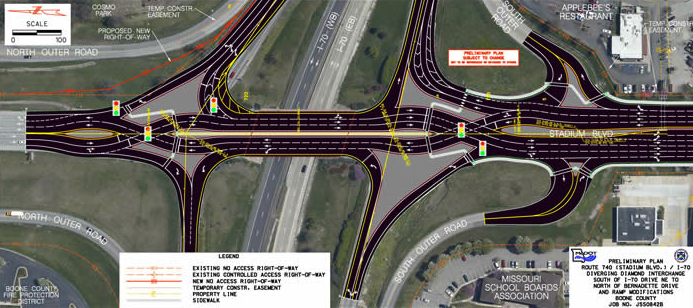
While the construction industry tried to sell the initiative as a cure for deteriorating infrastructure, a big chunk of the revenues would have gone to interchange enhancements and road extensions.
Though a tax increase this big would have been a tough sell under any circumstances, voters clearly considered this one to be a particularly bad investment.
While nationwide, ballot initiatives to fund transportation win much more than they lose — the success rate for the last election cycle was 79 percent — in Missouri, these measures fail almost as much as they win. The only other statewide tax increase the state has attempted to take on in recent memory for transportation projects also failed. Twelve years ago today, Missourians voted 73 percent to 27 percent to defeat a four-cent gas tax hike, 12.5 percent of which would have paid for transit.
Yesterday, another notable ballot initiative went down in Missouri — a referendum to expand the streetcar failed in Kansas City by a 61-39 margin.

Read More:
Streetsblog has migrated to a new comment system. New commenters can register directly in the comments section of any article. Returning commenters: your previous comments and display name have been preserved, but you'll need to reclaim your account by clicking "Forgot your password?" on the sign-in form, entering your email, and following the verification link to set a new password — this is required because passwords could not be carried over during the migration. For questions, contact tips@streetsblog.org.