DC Road Lobbyist: Since Most People Drive, We Shouldn’t Invest in Transit
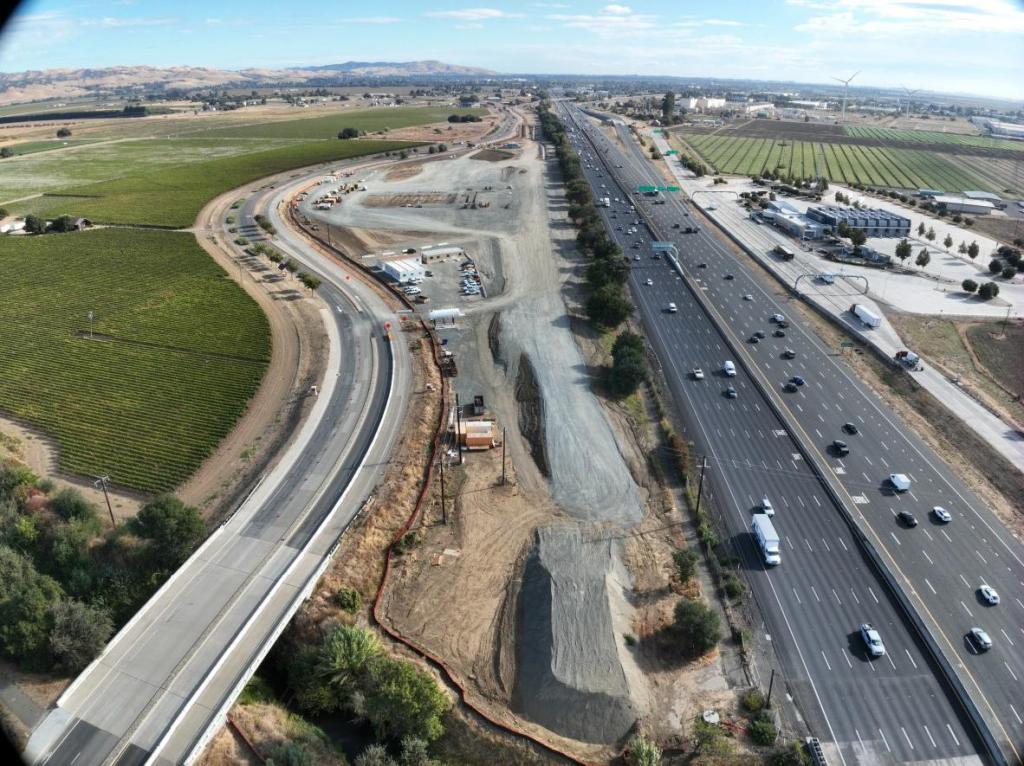
Last week, the Washington Post ran an editorial calling for a “balanced” approach to transportation investments. That rather mundane stance was enough to set off alarm bells for an advocate of suburban highway expansion in Virginia.

Bob Chase, head of the group calling for a new “Outer Beltway” in Virginia, issued an “action alert,” saying future investments in transportation in the D.C. metro area should correspond to the way people currently get around: mostly by driving.
David Alpert at Greater Greater Washington is firing back, calling Chase’s argument — most people drive, so we should mostly invest in roads — “nonsensical.”
What we spend on transportation, except for repairs (which are important) really should have nothing to do with the current mode share percentages.
Let’s imagine we are in an alternate reality where we never built Metro. Very few people ride transit because there is very little of it. Does that mean in this alternate world the case for building transit is weaker? Why? Maybe it’s stronger because we would be even further behind than we are today.
Or when we first built Metro, fewer people rode transit, so by Chase’s logic, that makes it a bad idea to have done it then?
A region’s preexisting mode share matters little. If you want more driving and traffic and car dependent housing build more roads. If you want more transit riding and TOD build transit.
Chase wants to see Virginia develop another tier of detached house suburbs beyond the existing ones. That’s his right to believe that but he should be honest about it. He’s also misguided.
Elsewhere on the Network today: Transit Miami questions the wisdom of allowing the Miami-Dade Expressway Authority to act as a developer in parts of downtown. Streets.mn, using a new tool from the Robert Wood Johnson Foundation, explores how life expectancy in greater Minneapolis varies from one side of the highway to another. And the Green Lane Project blog looks at how class and gender privilege helped shape American street design for the worse.

Read More:
Streetsblog has migrated to a new comment system. New commenters can register directly in the comments section of any article. Returning commenters: your previous comments and display name have been preserved, but you'll need to reclaim your account by clicking "Forgot your password?" on the sign-in form, entering your email, and following the verification link to set a new password — this is required because passwords could not be carried over during the migration. For questions, contact tips@streetsblog.org.