Obama Takes a Stand, Threatens to Veto House Transpo Bill
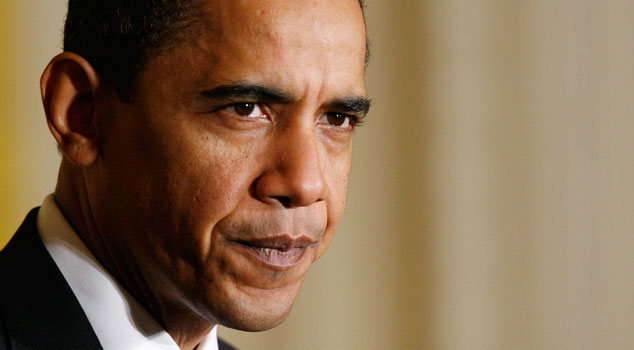
The White House issued a statement yesterday that spelled out President Obama's opposition to the House transportation bill, also known as H.R. 7. The administration's statement of policy, which coincided with the House Rules Committee hearing on H.R. 7, takes a stand in defense of transit, safety, and the environment:
The White House issued a statement yesterday that spelled out President Obama’s opposition to the House transportation bill, also known as H.R. 7. The administration’s statement of policy, which coincided with the House Rules Committee hearing on H.R. 7, takes a stand in defense of transit, safety, and the environment:
H.R. 7 does not reflect the historically bipartisan nature of the Transportation and Infrastructure Committee. The Administration has serious concerns with provisions in the bill that would make America’s roads, rails, and transit systems less safe, reduce the transportation options available to America’s traveling public, short circuit local decision-making, and turn back the clock on environmental and labor protections…
Because this bill jeopardizes safety, weakens environmental and labor protections, and fails to make the investments needed to strengthen the Nation’s roads, bridges, rail, and transit systems, the President’s senior advisors would recommend that he veto this legislation.
The announcement makes Obama the highest-profile critic of the House transportation bill, a group that already included Secretary LaHood, hundreds of advocacy groups, heavy-hitting lobbyists representing big business, and a growing number of Republican congressmen.
President Obama had already endorsed the Senate’s two-year transportation bill proposal, which so far has received bipartisan support. But that was before the President’s budget called for $476 billion in transportation investment over six years, a proposal that goes above and beyond anything that the House and Senate have been working on. LaHood is defending the administration’s transportation budget today before the Senate Budget Committee.
It will be interesting to see how Obama’s statement affects what happens in Congress. Yesterday, House Republicans split their transportation bill into three smaller bills, which will be debated and voted on separately, presumably to maximize the chances of each part passing. The component of the bill that robs transit of dedicated funding still may not have the votes to pass. With the current extension of the last transportation bill set to expire on March 31, the House will still have to take some sort of action if H.R. 7 goes nowhere.
One thing isn’t in doubt: By putting out a proposal that departs so radically from 30 years of transportation policy, begun under Ronald Reagan no less, Boehner was practically begging to start a high-profile political fight over this bill. As election season heats up and the administration responds to the House GOP’s attack on transit and street safety programs, it looks like national transportation policy will continue to be in the spotlight.
Streetsblog has migrated to a new comment system. New commenters can register directly in the comments section of any article. Returning commenters: your previous comments and display name have been preserved, but you'll need to reclaim your account by clicking "Forgot your password?" on the sign-in form, entering your email, and following the verification link to set a new password — this is required because passwords could not be carried over during the migration. For questions, contact tips@streetsblog.org.
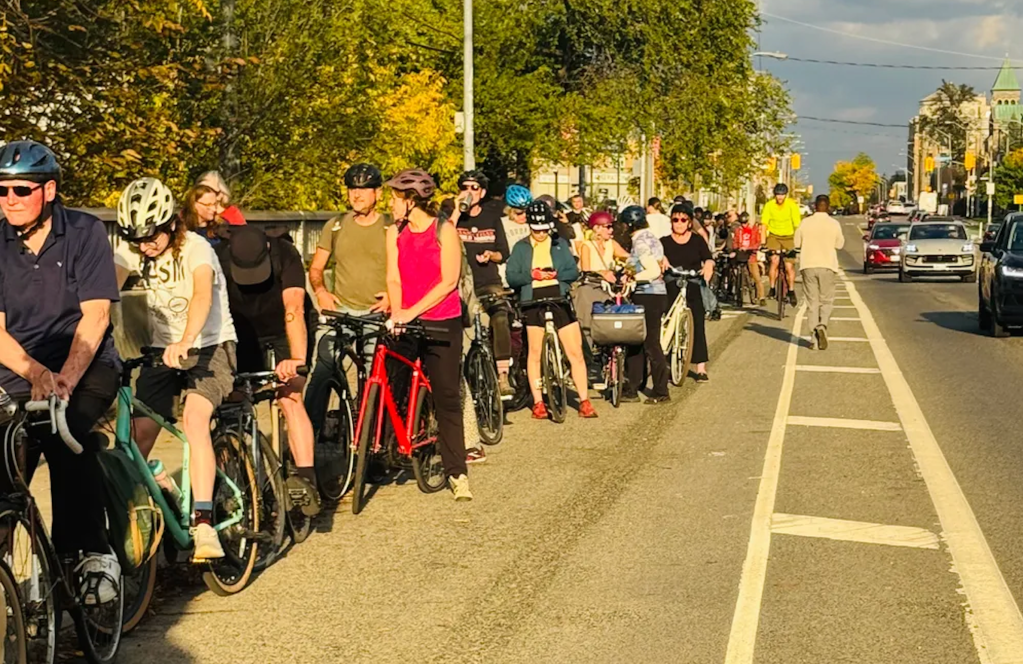
Toronto advocates are putting their bodies on the line to protect a bike lane the province wants to rip out — and and to fight a wave of anti-bike lane sentiment that this writer warns is sweeping the whole continent.