Recession Forcing Cutbacks at Nearly 80 Percent of U.S. Transit Agencies
How bad have the past two years been for transit agencies in the United States? In a word: bad. In two words: very bad.
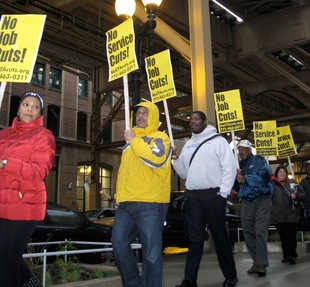
In survey results released today [PDF], the American Public Transportation Association reports that 51 percent of transit agencies have either raised fares or reduced service since last year. Meanwhile, 79 percent said they are planning to, or considering, doing so in the near future. Worse, 40 percent of agencies that have made cuts are still facing budget shortfalls in the coming year.
“Public transportation systems are currently experiencing decreases in their funding during a time when many are serving an increased number of riders,” said APTA President William Millar. “Systems are forced to continue to freeze positions and lay off workers, which makes providing necessary transit service even more difficult.”
For the 117 agencies surveyed, funding cuts at every level are leaving little choice but to scale back. Local and regional funding has been flat or decreasing for 73 percent of agencies. Meanwhile, 83 percent saw reduced or stagnant state support.
Capital funding is also declining across the board, forcing agencies to delay maintenance and threatening their long-term financial health. Almost every agency (85 percent) is experiencing some loss in capital dollars, APTA reports.
Funding woes have been particularly hard on larger transit systems. APTA reports 63 percent of larger agencies approved hiring freezes in 2011. Of those agencies, 74 percent are reducing the number of positions, while 46 percent are imposing layoffs.
Millar said the crisis at local agencies could be compounded by the House transportation bill put forward by Rep. John Mica, which would impose a 37 percent reduction in federal funding for transit. Such draconian cuts would surely result in a new round of service reductions and fare hikes that could have a chilling impact on job creation, APTA officials warned.
“Clearly, local and state governments will not be able to make up the difference as these needs increase,” Millar said.

Streetsblog has migrated to a new comment system. New commenters can register directly in the comments section of any article. Returning commenters: your previous comments and display name have been preserved, but you'll need to reclaim your account by clicking "Forgot your password?" on the sign-in form, entering your email, and following the verification link to set a new password — this is required because passwords could not be carried over during the migration. For questions, contact tips@streetsblog.org.