Families Unite in Loss and Hope for World Day of Remembrance
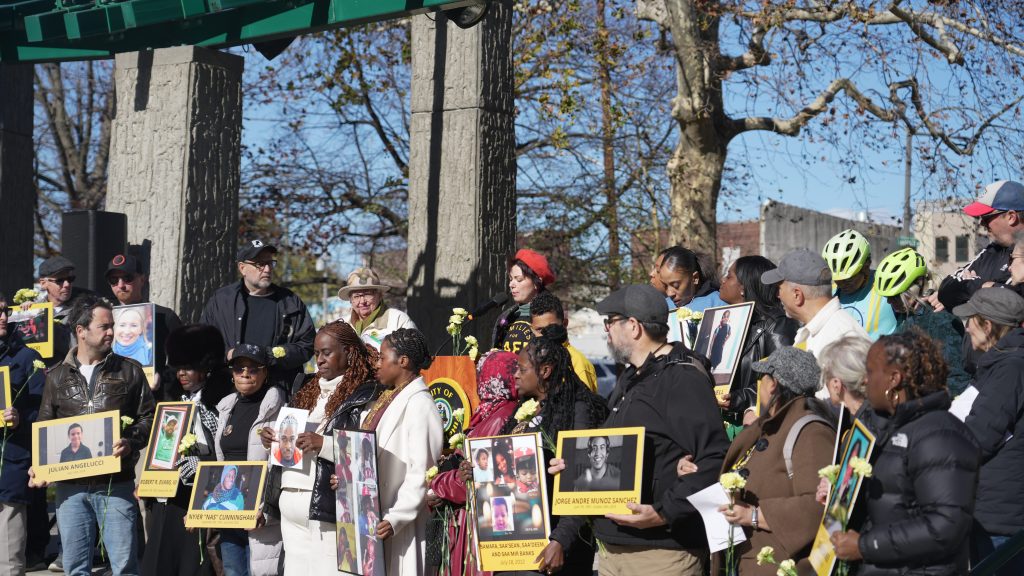
When I arrive at Butler Square in Philadelphia this Sunday, Nov. 15 for World Day of Remembrance for Road Traffic Victims, I expect to feel a mix of strong emotions.
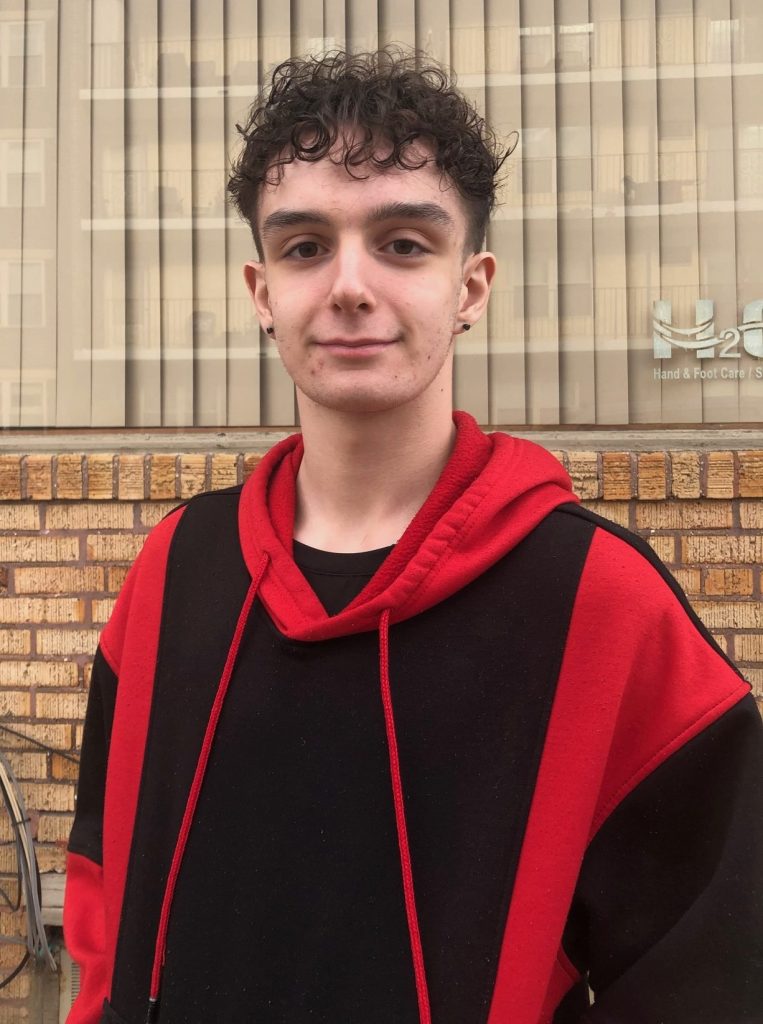
Sadness, of course. My son, Damien, was killed two and a half years ago in a hit-and-run. He was only 17 years old. He was coming back from the gym and less than three blocks from our home when the driver of an SUV, who was speeding, struck him. Damien was my only child.
Outrage, certainly. Like thousands of people mobilizing on World Day of Remembrance, I know we can prevent tragedies like the one that took my son’s life. I will be calling on our state leaders to do more to deter dangerous, high-end speeding, by supporting Stop Super Speeders legislation and expanding the use of speed safety cameras.
And I’ll be feeling something new this year: A sense of hope. I see that I’m not alone in my grief, nor my belief that we can make our streets safe. I see our advocacy community growing and making a difference.
This World Day of Remembrance, a record number of more than 80 communities across the nation are demanding that leaders invest in safety on our streets – not speed.
It’s a fact that speed is a top cause of traffic deaths. But most people don’t realize that we know how to deter dangerously high speeds. On this World Day of Remembrance, we’ll be urging leaders to use the tools that work: designing streets to encourage safe speeds, adjusting speed limits, and using proven technologies, such as speed safety cameras and Intelligent Speed Assistance in vehicles.
We’re seeing these tools work in my own city and others to manage speeds and improve safety. Now we need to scale this work up to make a bigger difference. Examples include:
- Philadelphia reduced traffic deaths by 26 percent between 2024 and 2025. City leaders point to investments in traffic calming measures, bike lanes, more time for pedestrians to cross streets and speed safety cameras, which have helped reduce high-end speeding by up to 95 percent.
- Austin’s investments in lower speed limits and safer street designs are working. On traffic-calmed streets, 78 percent fewer vehicles are traveling 10+ mph over the limit on streets, and fatal and serious injury crashes are down 33 percent. And Austin reports saving $11 million in annual comprehensive crash cost savings.
- Madison has reduced speeds on hundreds of miles of streets and added hundreds of safety improvements, resulting in 58% fewer traffic deaths in 2024 compared to 2020, when it started its Vision Zero work.
- Cleveland reduced average speeds by nearly 8 mph on streets where it added low-cost speed tables. This is no small deal: research shows that reducing average speed by 1 mph is associated with a 5 percent reduction in crashes.
- In San Francisco, the number of drivers traveling 10+ mph above the speed limit has dropped 80% where speed safety cameras were added, meaning 42,000 fewer instances of speeding each day.
My optimism is growing because we know what works to prioritize safety over speed in our communities. And people want this, as evidenced by so many wins across the nation for safe, sensible transportation in last week’s election. I’m also encouraged by growing bipartisan support for Stop Super Speeders bills allowing Intelligent Speed Assistance to rein in repeat, dangerous speeders. Recently, eight states and Washington DC have passed such legislation with a dozen more queued up.
At the federal level, I’m working to support the Pedestrian Protection Act, introduced by my U.S. Rep. Mary Gay Scanlon of Pennsylvania. This would establish federal safety standards for motor vehicles, desperately needed to address the dangerous super-sizing of cars.
Another chance for federal leadership is the Sarah Debbink Langenkamp bill, which would make it easier for states and local governments to build safe walking and biking infrastructure. The bill’s sponsor Congressman Jamie Raskin of Maryland plans to attend the World Day of Remembrance Ride for your Life in Washington, D.C., where hundreds of people will ride and rally for road safety on the National Mall.
I know it’s going to take a lot of work and time to turn this nation around after a century of investing in speed over safety. But I know that nothing will change without us setting the vision we deserve – Vision Zero, safe mobility for all – and working toward it at every level – local, state and federal.
That’s why I’m showing up and demanding change this World Day of Remembrance. Traffic deaths change lives permanently. The pain of Damien’s absence will never go away. But I know we can do better and help your loved ones get home safely
I hope you’ll join me in taking a stand to prevent road deaths and injuries. You can attend an event near you or organize your own, because even small actions can make a difference. Help us get the word out about World Day of Remembrance and our call for leaders to invest in safety solutions, not deadly speed.