

Monday’s Headlines Reveal More on the New Orleans Attack
New Orleans officials were warned that someone could use a vehicle to commit a terrorist attack, but didn't use equipment that could have prevented last week's tragedy.
By
Blake Aued
12:01 AM EST on January 6, 2025
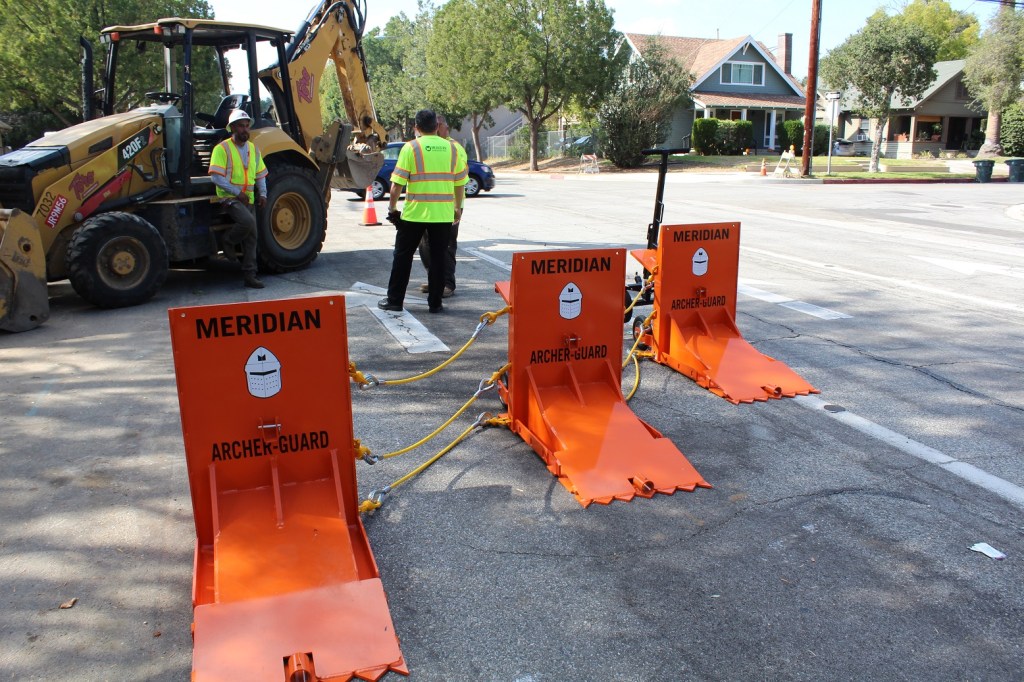
- New Orleans officials said they didn’t anticipate a terrorist attack on Bourbon Street (ABC News) despite being warned by both the Department of Homeland Security and a private security firm about the possibility of someone using a vehicle as a deadly weapon (CNN). Yet while bollards were being replaced, they did not deploy portable “Archer barriers” that could have stopped a 42-year-old Army veteran from ramming into Bourbon Street revelers with a Cybertruck and killing 14 people. (NBC News)
- A day after the New Orleans attack, police arrested a man who was driving on a sidewalk near the U.S. Capitol. (Washington Post)
- The attack also spurred Biking in LA to call for infrastructure to protect shoppers and tourists on Hollywood Boulevard. And Omaha is installing bollards in a popular retail and restaurant district (WOWT)
- Drivers have crashed their cars into one Portland home an astonishing 30 times. (KGW)
- Congestion pricing took effect Sunday in New York City (Times), but still faces significant opposition, including from President-elect Donald Trump, who has promised to repeal federal approval after taking office (Politico).
- The EPA is letting a Florida company build a road out of radioactive fertilizer byproducts. (The Hill)
- Seattle progressives are wary of the city council taking control over how to spend a recent $1.5 billion transportation levy. (The Stranger)
- Whether Pittsburgh Regional Transit expands or faces fare hikes and service cuts depends on whether the Pennsylvania government can get its act together and fund transit. (Union Progress)
- San Francisco officials are worried that Trump will cancel the massive underground rail project known as The Portal. (Examiner)
- Cleveland will soon unveil plans for a three-mile downtown bike loop. (Scene)
- For a second time, Raleigh failed to find a contractor willing to build the city’s first bus rapid transit line on budget. (News & Observer)
- Maryland’s Purple Line could wind up being the most expensive light rail project in history, according to Montgomery County’s top official, who blamed the Larry Hogan administration. (Montgomery Community Media)
- Bike Portland looks back on the top stories of 2024, including unacceptably high traffic deaths and, on a brighter note, the bike bus trend.
- Momentum Magazine suggests 12 New Year’s resolutions for cyclists.

Blake Aued has been doing Streetsblog's daily national news digest for years. He's also an Atlanta Braves fan, which enrages his editor in New York.
Read More:
Streetsblog has migrated to a new comment system. New commenters can register directly in the comments section of any article. Returning commenters: your previous comments and display name have been preserved, but you'll need to reclaim your account by clicking "Forgot your password?" on the sign-in form, entering your email, and following the verification link to set a new password — this is required because passwords could not be carried over during the migration. For questions, contact tips@streetsblog.org.
More from Streetsblog USA
Study: The Missing Ingredient in the Fight To End Car Crash Deaths is… Fewer Cars
The common denominator in every car crash is a car. So why don't we talk about it?

October 27, 2026

Op-Ed: Toronto’s Bike Lane Fight Should Be a Wake Up Call for the US, Too
The people of Toronto have shown up big to protect their bike lanes from removal. Will Americans stand with them?

October 27, 2026

Six Days on the Road and Tuesday’s Headlines May Not Make It Home Tonight
Jalopnik points out that there are certain vehicles that average people have no business driving.
October 27, 2026

Why Deadly, Illegal E-Motos Are On The Rise – And Why E-Bikes Are Being Blamed When They Crash
...and what we can do to protect our kids *and* the e-bike revolution.
October 26, 2026
Monday’s Great Smokey Headlines
While other countries work to reduce greenhouse gas emissions, the U.S. is moving in the opposite direction.
October 26, 2026
