Friday’s Headlines Remain Incomplete
Cities and states aren't devoting enough funding to Complete Streets to put much of a dent in the problem.
By
Blake Aued
12:13 AM EST on November 8, 2024
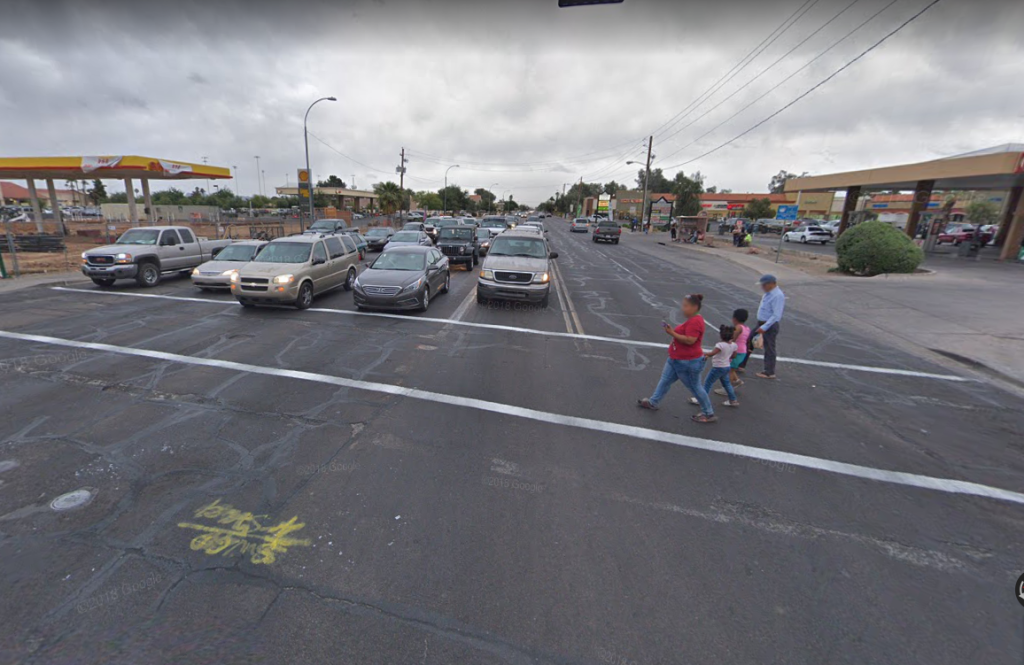
- Three-quarters of states and more than 1,500 cities and other jurisdictions in the U.S. have a complete streets policy. Yet those initiatives have had little success in reducing road deaths, mainly because state and local governments don’t spend nearly enough money on redesigning auto-centric streets. (CNU Public Square)
- After Donald Trump’s election, President Joe Biden quickly moved to limit future oil drilling at the Arctic National Wildlife Refuge. (CNN)
- All but five of 26 transit measures on ballots nationwide this year passed. (Mass Transit)
- Right turns into a bike’s path are one of the most common ways drivers kill cyclists. Research from Rutgers University shows that installing bike lanes at intersections makes drivers more cautious. (Next City)
- Rather than drain the power grid, solar panels at electric bus depots can make them part of the grid. (EurekAlert)
- The D.C. Metro is facing a budget crisis, and says it needs 35 percent more funding to meet riders’ needs. In the meantime, it’s shifting priorities by getting rid of some bus stops and focusing on frequency along popular routes. (Washington Post)
- In Maryland, the Frederick Douglass Tunnel and Red Line could be on the chopping block under a second Trump administration. (WMAR)
- Two elections we missed: Massachusetts voters approved a measure granting Uber and Lyft drivers the right to unionize (New York Times). And Durham voters signed off on a $115 million bond measure for sidewalks (INDY Week).
- More than 400 people have been killed or seriously injured in Austin crashes this year. The victims are disproportionately “vulnerable users” like cyclists and people of color. (KXAN)
- Philadelphia transit workers could go on strike as early as today, with little progress on negotiations between a union and SEPTA. (Inquirer)
- City Paper takes a deep dive into traffic safety in Pittsburgh during the first year of Vision Zero.
- Louisville is aiming for early 2025 to start construction on a 9th Street revamp. (WDRB)
- The Utah DOT is looking at tolling and enhanced bus service to address wintertime traffic at a popular tourist attraction. (Town Lift)
- A $1 million federal grant will help Oklahoma City plan for transit-oriented development. (Oklahoman)
- Cleveland is using recycled rubber to repair broken sidewalks. (News 5)
- Add some vintage train sounds to your vinyl collection. (Jalopnik)

Blake Aued has been doing Streetsblog's daily national news digest for years. He's also an Atlanta Braves fan, which enrages his editor in New York.
Read More:
Streetsblog has migrated to a new comment system. New commenters can register directly in the comments section of any article. Returning commenters: your previous comments and display name have been preserved, but you'll need to reclaim your account by clicking "Forgot your password?" on the sign-in form, entering your email, and following the verification link to set a new password — this is required because passwords could not be carried over during the migration. For questions, contact tips@streetsblog.org.
More from Streetsblog USA
Every Friday’s Headline Is Sacred
When transit funds are wasted, God gets quite irate.
October 16, 2026

Friday Video: When Walkability Isn’t Enough … Even in the Great Cities of Europe
What happens when livable places get overwhelmingly popular before we can build more of them — or when other failures of design and governance make them bad places to live?

October 16, 2026

Newsom Signs Bill to Better Align California Transportation Spending With Climate Goals
SB 1087 updates California’s landmark sustainable communities law, strengthening the connection between regional climate plans and transportation investments.

October 15, 2026
Talking Headways Podcast: The Passion Problem in Public Transit
Where should the most enthusiastic supporters of transit try to work?

October 15, 2026
Thursday’s Headlines Are Trouble for Tesla
Autonomous vehicles just can't seem to behave themselves.
October 15, 2026