Thursday’s Headlines Are Trying to Walk Here
Forget 15-minute cites; some American communities aren't even 45-minute cities, a new comparison of walkable places from around the world finds. Learn more in headlines.
By
Blake Aued
12:25 AM EDT on September 19, 2024
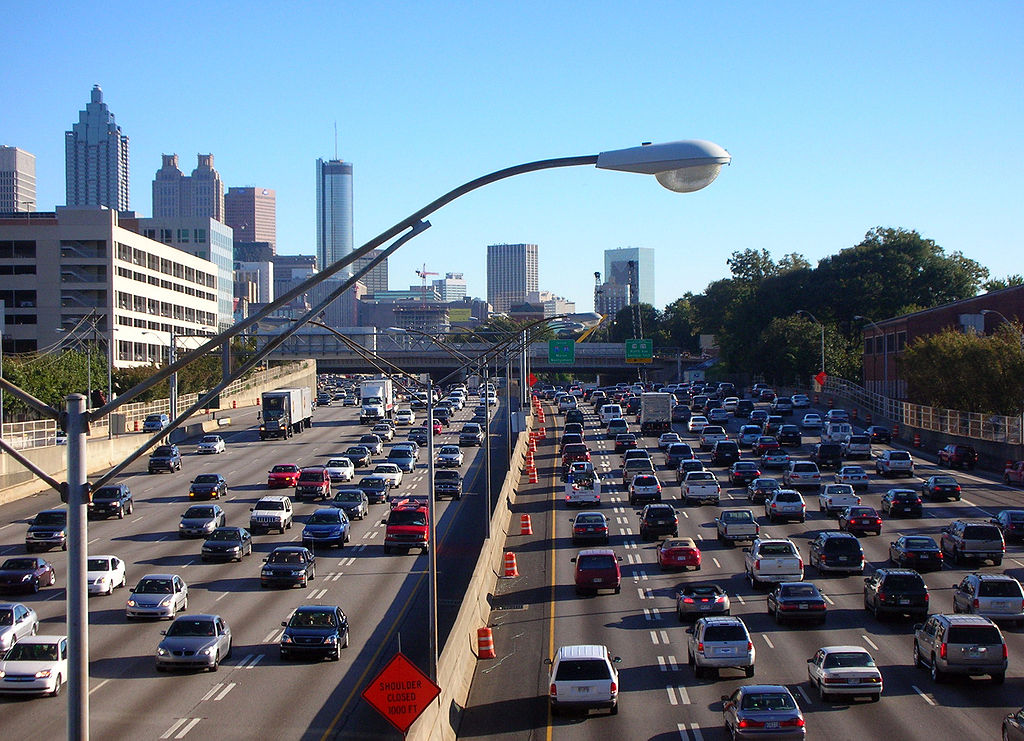
- Europe has the most walkable cities in the world, and North America is at the bottom, according to a new study. For example, in Zurich 99 percent of residents live within a 15-minute walk to essential services like schools and medical offices, whereas in San Antonio that figure is 2.5 percent. (The Guardian)
- Let’s be honest: Prioritizing pedestrian safety means slowing down cars. You can’t have it both ways. (Planetizen)
- Corporate consolidation is driving up the cost of infrastructure projects in the U.S. because it means fewer bidders. So does smaller DOTs, because they rely more heavily on consultants and contractors. (The Boondoggle)
- Bike parking is cheap and easy to install, but in many places there’s not enough of it, usually because building codes don’t require enough. (Velo)
- Car loans are now the second-largest form of debt for Americans behind mortages, surpassing student loans. (Jalopnik)
- On the 50th anniversary of its publication, Slate argues that Robert Caro leans too heavily on the great-man theory of history in “The Power Broker,” his biography of New York City transportation czar Robert Moses.
- Twelve states — Idaho, Florida, Louisiana, Mississippi, Missouri, Montana, Nevada, South Carolina, South Dakota, Washington, West Virginia and Wyoming — have yet to even accept bids to build fast electric vehicle chargers using federal funds. (Route Fifty)
- The Chicago Reader explains a proposal to merge the city’s three transit agencies and raise funding by $1.5 billion.
- Labor advocates are suing Los Angeles over a $730 million contract to buy new subway cars, which could sidetrack plans to expand transit for the 2028 Olympics. (L.A. Times)
- Opponents of widening I-275 in Tampa are gearing up for another fight after Hillsborough County moved the project up its priority list. (Tampa Bay Times)
- The Nashville mayor’s office released an interactive map of hundreds of sidewalks, bike lanes and bus routes that would be funded by a $3.1 billion transportation referendum. (Axios)
- The Seattle suburb of Renton is looking to transform acres of parking lots and big-box stores into walkable neighborhoods around a planned bus rapid transit station. (The Urbanist)
- Starting next week, the Kansas City streetcar will shut down for a month due to construction work on an extension. (Star)
- A community group called Bike Denver mapped out 500 miles of low-stress bike routes in the Mile High City. (North Star)

Blake Aued has been doing Streetsblog's daily national news digest for years. He's also an Atlanta Braves fan, which enrages his editor in New York.
Read More:
Streetsblog has migrated to a new comment system. New commenters can register directly in the comments section of any article. Returning commenters: your previous comments and display name have been preserved, but you'll need to reclaim your account by clicking "Forgot your password?" on the sign-in form, entering your email, and following the verification link to set a new password — this is required because passwords could not be carried over during the migration. For questions, contact tips@streetsblog.org.
More from Streetsblog USA
Every Friday’s Headline Is Sacred
When transit funds are wasted, God gets quite irate.
October 16, 2026

Friday Video: When Walkability Isn’t Enough … Even in the Great Cities of Europe
What happens when livable places get overwhelmingly popular before we can build more of them — or when other failures of design and governance make them bad places to live?

October 16, 2026

Newsom Signs Bill to Better Align California Transportation Spending With Climate Goals
SB 1087 updates California’s landmark sustainable communities law, strengthening the connection between regional climate plans and transportation investments.

October 15, 2026

Talking Headways Podcast: The Passion Problem in Public Transit
Where should the most enthusiastic supporters of transit try to work?

October 15, 2026

Thursday’s Headlines Are Trouble for Tesla
Autonomous vehicles just can't seem to behave themselves.
October 15, 2026