Tuesday’s Headlines Running on Empty
Empty, often blighted parking lots are the scourge of American cities, reports the Washington Post.
By
Blake Aued
12:51 AM EDT on April 2, 2024
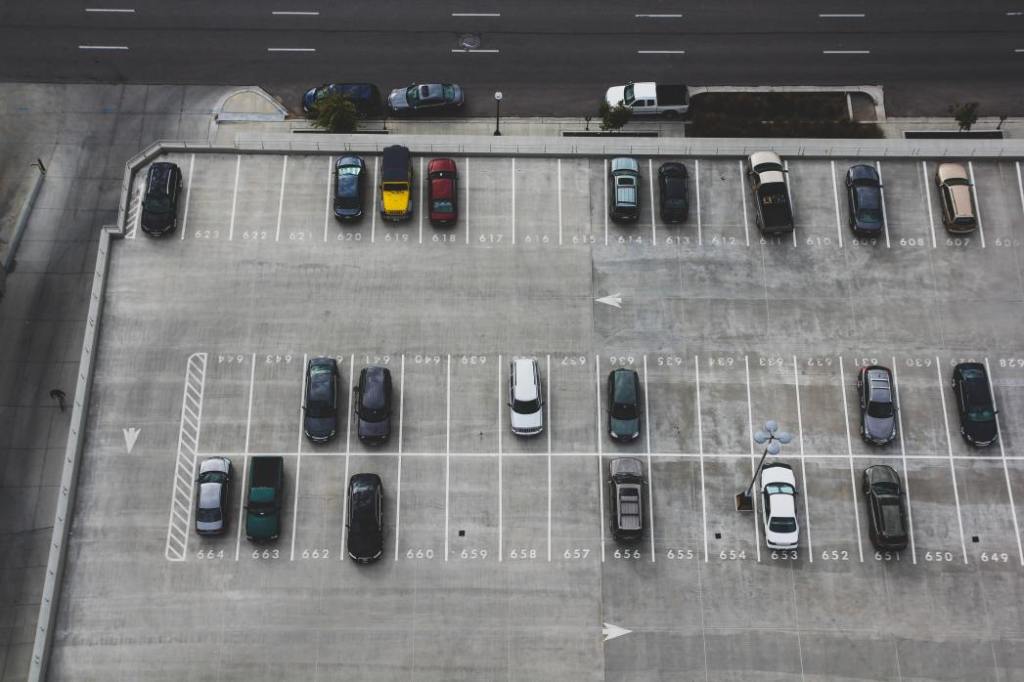
- Empty parking lots are a blight on America’s cities. They house no one, contribute little revenue and rob communities of their sense of place. (Washington Post)
- Traffic deaths continued to rise in the U.S. even after cities started to set Vision Zero goals, probably because they’re not completing projects at the same pace as their more successful European counterparts. (CBS News)
- The bus manufacturing business in the U.S. has been shrinking for two decades, so it’s no wonder companies can’t keep up with the sudden demand for zero-emissions buses. (Fast Company)
- Federal grants for capturing carbon emissions to keep them out of the atmosphere could actually wind up boosting oil and gas production. (The Conversation)
- AI-generated images of car-free downtowns can help persuade people to support green transportation policies. (MIT Sloan)
- St. Paul officials hope to revitalize 5th Street, a key pedestrian connection for several downtown attractions. (Star Tribune)
- L.A. amphitheater the Hollywood Bowl is turning two parking lots into bus, shuttle and rideshare hubs to encourage attendees to take transit. (Deadline)
- New Orleans businesses and residents are eager for the Rampart Street streetcar to reopen. (Fox 8)
- The NJ.com editorial board supports dedicated funding for New Jersey transit, but not Gov. Phil Murphy’s plan to hike fares by 15 percent.
- Five students at just one Atlanta high school died in drunk driving crashes over a six-month period. (AJC)
- Officials in the Seattle suburb of Bellevue basically threw out their entire bike plan in the face of driver opposition. (Seattle Bike Blog)
- Phoenix is currently taking input on bike lanes for Fillmore Street downtown. (Cronkite News)
- Austin has cited more than 300 people for parking cars in bike lanes since last August. (KXAN)
- Zurich fined 17,000 drivers in a month for violating a car ban on a busy street, which is actually bad because it means too many are driving despite the ban. (Cities Today)
- Streetsblog readers likely know that trains are sexier than the backseat of a car, but are they really the answer to South Korea’s low birth rate? (Jalopnik)

Blake Aued has been doing Streetsblog's daily national news digest for years. He's also an Atlanta Braves fan, which enrages his editor in New York.
Read More:
Streetsblog has migrated to a new comment system. New commenters can register directly in the comments section of any article. Returning commenters: your previous comments and display name have been preserved, but you'll need to reclaim your account by clicking "Forgot your password?" on the sign-in form, entering your email, and following the verification link to set a new password — this is required because passwords could not be carried over during the migration. For questions, contact tips@streetsblog.org.
More from Streetsblog USA
Why US Roads Are Full of SUVs and Trucks, Part I
Everyone says that Americans just love SUVs and pick-ups. But is that really true — or are there solvable structural reasons why our streets look like a monster truck rally?

October 19, 2026


Every Friday’s Headline Is Sacred
When transit funds are wasted, God gets quite irate.
October 16, 2026

Friday Video: When Walkability Isn’t Enough … Even in the Great Cities of Europe
What happens when livable places get overwhelmingly popular before we can build more of them — or when other failures of design and governance make them bad places to live?

October 16, 2026

Newsom Signs Bill to Better Align California Transportation Spending With Climate Goals
SB 1087 updates California’s landmark sustainable communities law, strengthening the connection between regional climate plans and transportation investments.

October 15, 2026