Friday’s Headlines Go Underground
More cities should build subways if they want to reduce greenhouse gas emissions, according to the World Bank.
By
Blake Aued
12:01 AM EST on February 16, 2024
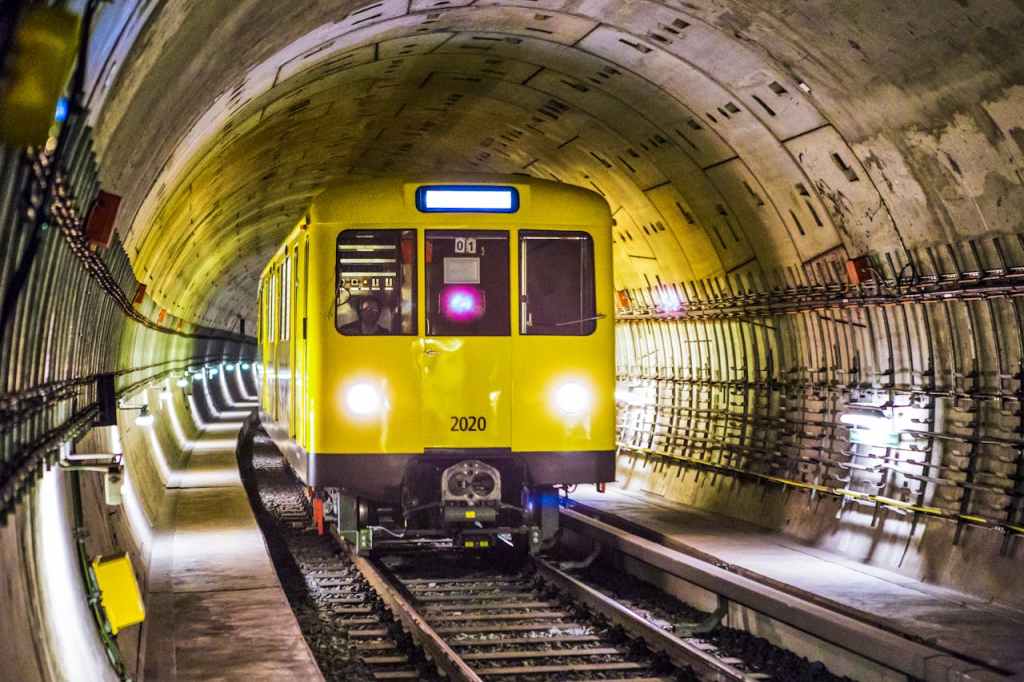
- If every city with more than 500,000 people had a subway system, it would cut their carbon dioxide emissions in half. (World Bank)
- With federal COVID funding running out, transit agencies are turning to states and cities, future federal funding and/or local voter initiatives for support. (Center Square)
- The Biden administration is redirecting some planning funding from the bipartisan infrastructure law toward quick-build Vision Zero projects. (Transportation for America)
- Since its Vision Zero program started 10 years ago, New York City has at least managed to hold the line on traffic deaths, whereas drivers have killed 30 percent more people in other U.S. cities. The difference is even more stark when focusing just on pedestrians. (Route Fifty, Streetsblog USA).
- A long read in Cleveland Scene details how its growth has been fueled by drivers’ fears that they won’t have anywhere to put their cars, and what the city is doing now to correct the mistakes of the past.
- Some Buffalo residents fear that a plan to cap the Kensington Expressway won’t reunite neighborhoods; it will only push more pollution into the majority Black surrounding area. (CityLab)
- With New York City’s congestion pricing program set to take effect this summer, Boston is considering following suit. (NBC Boston)
- The D.C. Metro is warning regional partners that despite an influx of funding for the coming year, the transit agency needs a more sustainable source of revenue. (WTOP)
- Rather than fighting fires, the Los Angeles firefighters’ union is fighting a referendum on making L.A. streets safer. (L.A. Times)
- With 285 million boardings last year, the L.A. Metro’s ridership hit its highest level since the pandemic hit. (Progressive Railroading)
- A Waymo taxi crashed into a cyclist in San Francisco — further proof that driverless cars aren’t ready for prime time. (Bicycling)
- Some Utah legislators want transit in their districts, but they don’t want to fund it. Instead they want to take funding from other suburbs already served by transit. (Fox 13)
- Axios has a timeline for Seattle light rail construction.
- Even in a bike lane, cyclists should always prepare for the unexpected. (Momentum)

Blake Aued has been doing Streetsblog's daily national news digest for years. He's also an Atlanta Braves fan, which enrages his editor in New York.
Read More:
Streetsblog has migrated to a new comment system. New commenters can register directly in the comments section of any article. Returning commenters: your previous comments and display name have been preserved, but you'll need to reclaim your account by clicking "Forgot your password?" on the sign-in form, entering your email, and following the verification link to set a new password — this is required because passwords could not be carried over during the migration. For questions, contact tips@streetsblog.org.
More from Streetsblog USA
Friday Video: Inside the Global Far-Right Push To Rip Out Bike Lanes
Toronto might be in the center of the fight to resist bike lane teardown today. But if some far-right politicians have their way, this fight won't be the last.

October 23, 2026

Friday’s Headlines Shoot Themselves in the Foot
Gas taxes pay for transit, too, so what happens when politicians pander to voters, and the highway trust fund runs dry?
October 23, 2026
Talking Headways Podcast: A More Humanized Experience in Honolulu
If we look transit just as a distance issue, but as a time issue, performance should be discussed as one big whole.

October 22, 2026

Our Best Bet To Confront Climate Change in the Trump Era? Build More Apartments
Most climate strategies are hamstrung by Washington and culture wars across the country. But zoning reform may be the exception.

October 22, 2026

What ‘Flying Cars’ Could Mean For US Car Culture
Would fleets of flying cars be a dystopian nightmare, or a chance to create more walkable cities on the ground?

October 22, 2026