Tuesday’s Headlines CARE a Lot
But Congress didn't CARE enough about transit during the pandemic, it turns out. Money from federal COVID stimulus acts may not be enough to see some larger agencies through their ridership crisis.
By
Blake Aued
12:00 AM EDT on September 27, 2022
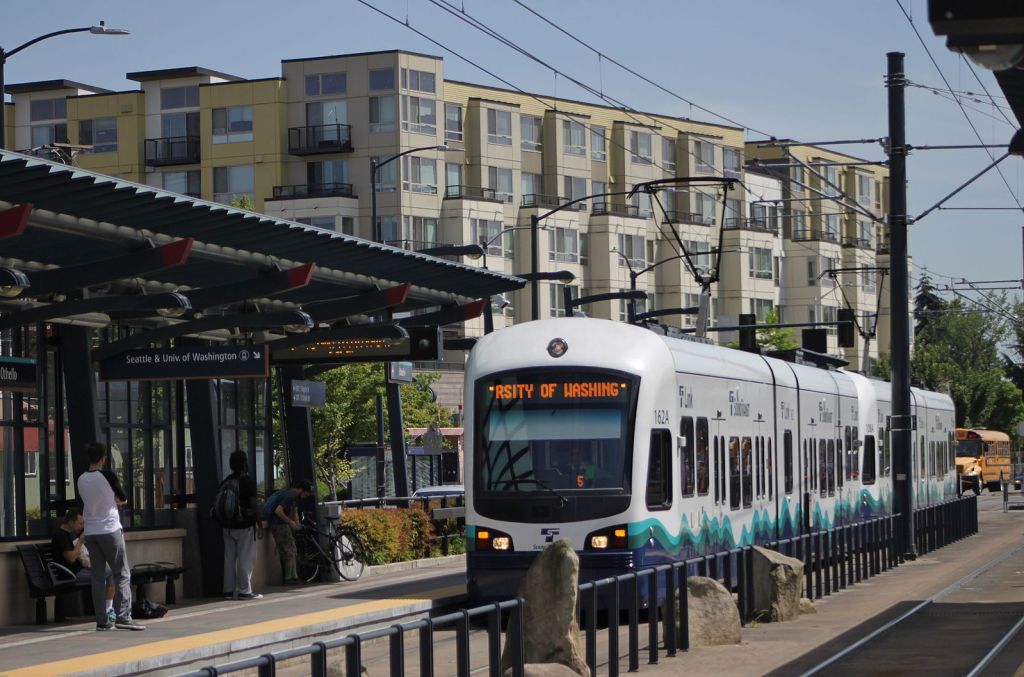
- The CARES Act, CARES II and the American Rescue Plan Act pumped $70 billion into U.S. transit agencies who struggled when farebox revenues declined by half during the pandemic. But the money wasn’t distributed evenly, with smaller agencies getting a bigger share— and now it’s starting to running out. (Eno Center for Transportation)
- The L.A. Metro is hoping ridership returns to pre-pandemic levels by mid-2023, but for other cities like San Francisco, Chicago, New York and Atlanta, it’s likely to take years long. (Bloomberg)
- A recent Vision Zero summit emphasized community input and designing streets to avoid driver errors. (Smart Cities Dive)
- Office workers’ commutes are so miserable that they’re refusing to go back to their cubicles now that they know there’s an alternative. A free transit pass won’t convince them when the average one-way trip is 45 minutes by bus or 70 minutes by rail. (Washington Post)
- Officials in the San Diego region voted to remove a per-mile road user charge from a $160 billion long-range transportation plan, leaving a $14 billion hole in the budget. (Union-Tribune)
- A troublesome half-mile tunnel on Minneapolis’ 14-mile Southwest Line is the main reason why the new rail line hasn’t been completed yet. (MinnPost)
- The D.C. Metro released a map of the Silver Line extension showing the locations of new stations. (WTOP)
- Many Atlanta residents believe transit agency MARTA should extend light rail into underserved neighborhoods rather than the Beltline’s gentrified Eastside Trail, where people already walk and bike. (Urbanize Atlanta)
- They may be electric, but it looks like China is about to repeat the United States’ mistake of turning into a car-dependent society. (New York Times)
- France will spend $250 million on cycling infrastructure and lessons for children, but some advocates say 10 times as much is needed to meet demand. (Forbes)
- Driving in Paris has fallen by half since 1990, thanks largely to the massive bike and pedestrian improvements made under Mayor Anne Hidalgo and her creation of a low-emissions zone. (Reasons to Be Cheerful)

Blake Aued has been doing Streetsblog's daily national news digest for years. He's also an Atlanta Braves fan, which enrages his editor in New York.
Read More:
Streetsblog has migrated to a new comment system. New commenters can register directly in the comments section of any article. Returning commenters: your previous comments and display name have been preserved, but you'll need to reclaim your account by clicking "Forgot your password?" on the sign-in form, entering your email, and following the verification link to set a new password — this is required because passwords could not be carried over during the migration. For questions, contact tips@streetsblog.org.
More from Streetsblog USA
Inside Baseball: Kuntzman To Step Down At Streetsblog; David Meyer To Take Over
Streetsblog's longtime editor will take on new challenges. And so will his successor.

October 9, 2026

Friday Video(s): Two Urban Cycling Trips Worth Taking
Choose your own urban cycling adventure: domestic or international edition.

October 9, 2026

Friday’s Headlines Pay a Lot for Parking
The average apartment-dweller pays $200 a month for a parking space, included in their rent, whether they use it or not.
October 9, 2026
Talking Headways Podcast: The Long Road to Real Transit Progress
Jeff Wood and Reece Martin discuss China’s lessons for American infrastructure.

October 8, 2026

Thursday’s Headlines Are Another Front in the Culture War
David Zipper explains how transportation, once an issue with broad consensus, became politically polarized.
October 8, 2026