Thursday’s Headlines Missed an Opportunity
Democrats' big swipes at climate change won't do anything to change car culture. Plus, the future of working from home and more news.
By
Blake Aued
12:00 AM EDT on September 8, 2022
- Democrats’ inflation and infrastructure laws will reduce greenhouse gas emissions, but by prioritizing cars, they missed a chance to do anything about preventing traffic deaths. (Mother Jones)
- One in four Americans lacks reliable transportation, and the Federal Transit Administration is seeking to quantify the effect of transportation insecurity on everything from wages to health care. (Cityfi)
- Bosses want people back in the office, but office workers are still slow to return, which is impacting transit revenue. (New York Times)
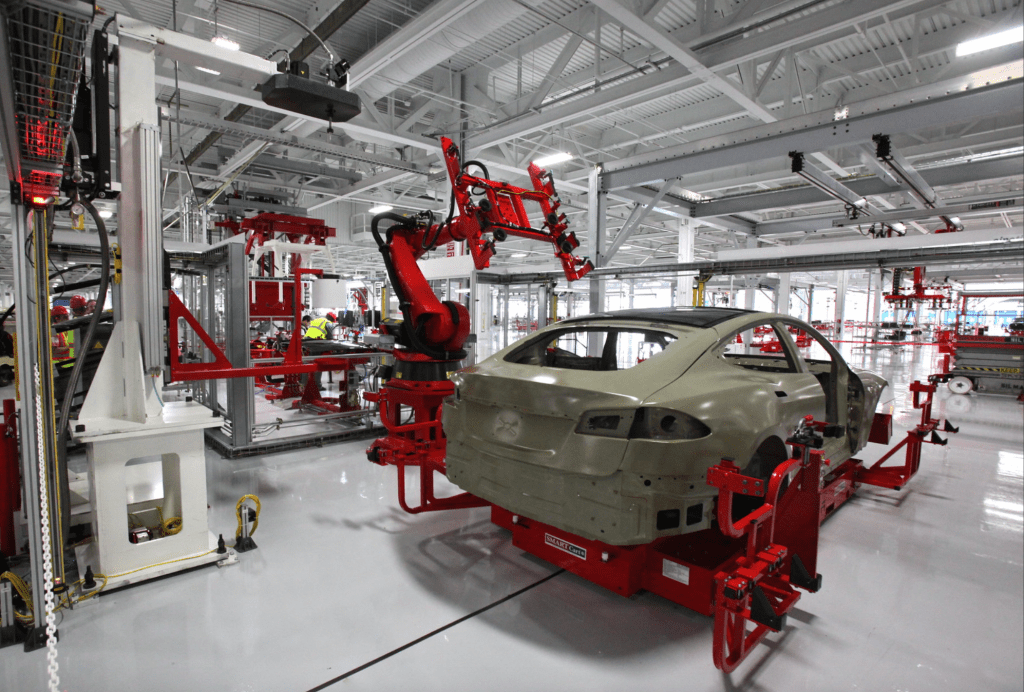
- Ever since cars took over the streets in the 1920s, automakers have been trying to influence urban planning, and they’re still at it today. (Fast Company)
- A young engineer who’s being compared to Atlanta Beltline visionary Ryan Gravel is developing plans for a regional commuter rail system based on existing tracks. (Urbanize Atlanta)
- A Brightline/SunRail project between Orlando and Tampa will cost $6 billion and take 10 years to build. (Trains)
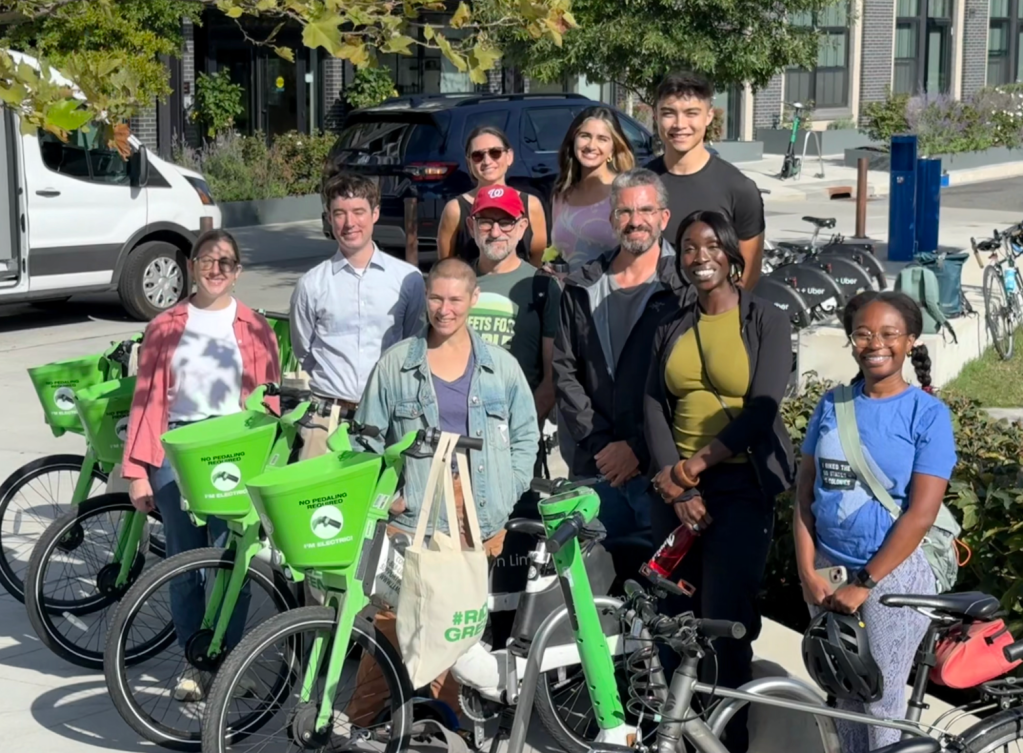
- Boston Mayor Michelle Wu announced plans to build 9 miles of protected bikeways, 100 new bike-share stations and 100 speed humps to calm traffic. (Streetsblog MASS)
- With the traffic death toll rising, the Kansas City Star is calling on the city to divert any available funds to protected bike lanes and redesigning dangerous streets.
- Texas has approved adding HOV lanes to I-35 in Austin. (Community Impact)
- Charlotte’s three-year-old program offering developers density bonuses to build affordable housing near transit has netted just eight units and $1.7 million for a trust fund. (Axios)
- For unclear reasons, Nashville is closing nine bike-share stations near parks. (Tennessean)
- Hundreds of cyclists joined a memorial ride for a U.S. diplomat who was killed by a driver while riding her bike in Maryland. (WTOP)
- Japan’s tiny kei cars, impressive rail system and lack of on-street parking are three reasons why traffic deaths are six times lower there than in the U.S. (City Lab)
- Germany’s summer-long nine-euro unlimited rail pass kept 1.8 million tons of carbon dioxide out of the atmosphere. (Bloomberg)
- European cities are going further than California by not only phasing out gas-powered vehicles, but phasing out cars altogether. (Yahoo! News)

Blake Aued has been doing Streetsblog's daily national news digest for years. He's also an Atlanta Braves fan, which enrages his editor in New York.
Read More:
Streetsblog has migrated to a new comment system. New commenters can register directly in the comments section of any article. Returning commenters: your previous comments and display name have been preserved, but you'll need to reclaim your account by clicking "Forgot your password?" on the sign-in form, entering your email, and following the verification link to set a new password — this is required because passwords could not be carried over during the migration. For questions, contact tips@streetsblog.org.
More from Streetsblog USA
Wednesday’s Headlines Come Not to Bury Caesar
Why is public transportation the only thing Donald Trump doesn't want to build?
October 7, 2026
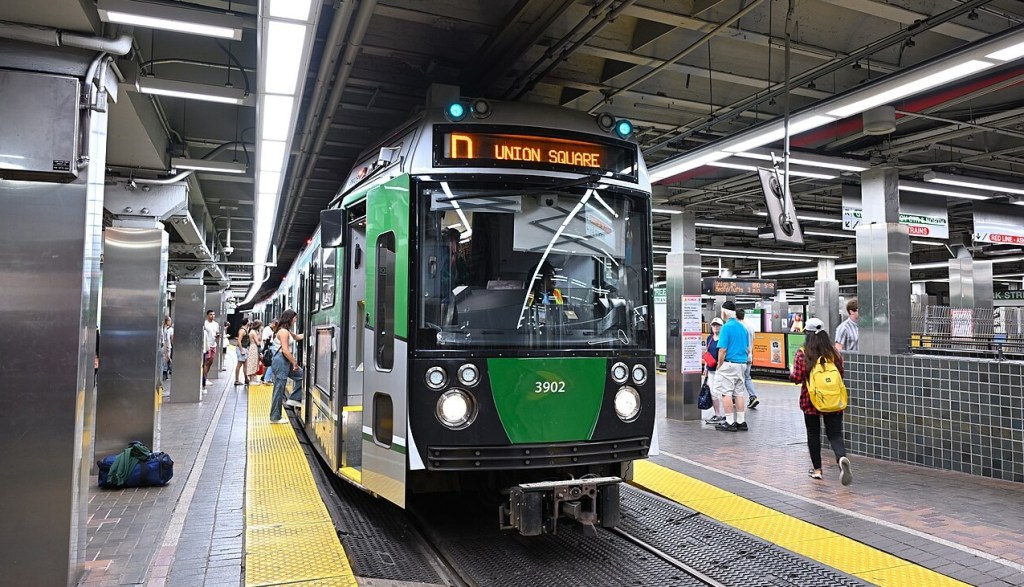
NYC to Test-Run Bus-Mounted Cameras To Catch Bike Lane Blockers
DOT and the MTA are finally getting ready to expand automatic enforcement to ding drivers who block bike lanes.

October 7, 2026
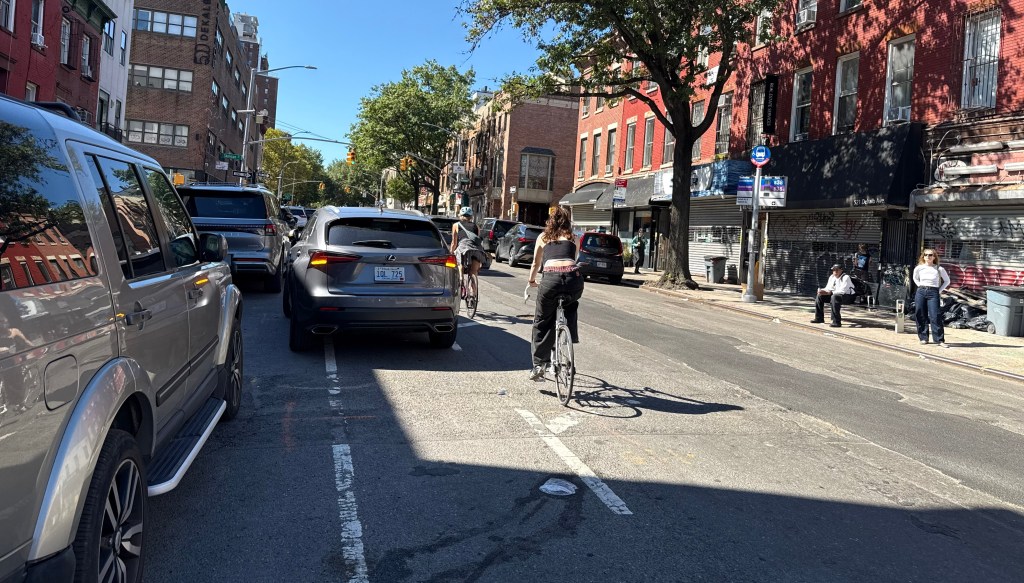
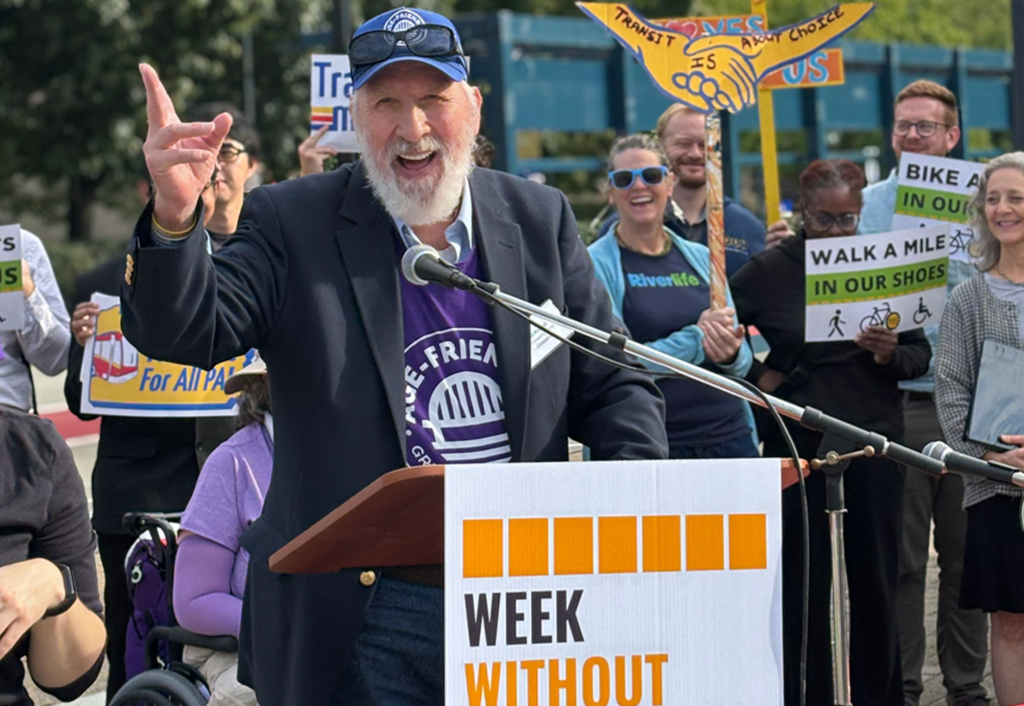
Pittsburgh Goes All-In On ‘Week Without Driving’ By Celebrating New Bus Lanes
The Steel City is celebrating the Week without Driving ... and some shiny new bus lanes.

October 7, 2026
The Five Types of Speeding Drivers
...and why the same solutions won't work to slow all of them down.

October 6, 2026
Tuesday’s Headlines Take a Break, Driver Eight
Now is the perfect time to try not driving.
October 6, 2026