Free Passes For Boston’s Main Street Workers Boost Transit, Bluebikes Ridership
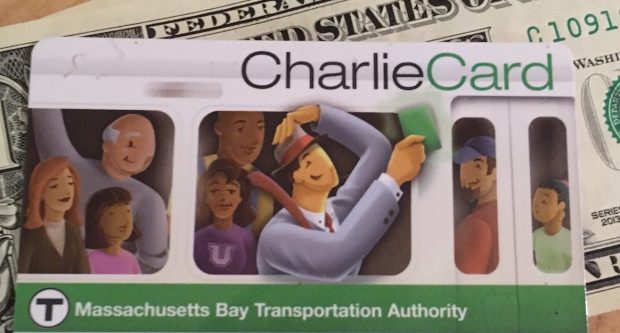
An experiment that gave away transit and bikesharing passes to 1,000 employees in four neighborhood Main Street districts across the City of Boston boosted ridership and relieved workers’ financial stress, according to a study released earlier this week from the Boston Transportation Department (BTD).
In May and June, the BTD, using a grant from the Bloomberg Philanthropies Climate Challenge, gave away $60 MBTA passes to 1,000 workers in five Main Street districts across Boston: the Centre Street corridor between Hyde and Jackson Squares in Jamaica Plain, Mission Hill, Nubian Square, along Meridian Street in East Boston, and Fields Corner.
Some workers were randomly selected to get an MBTA pass with the full $60 credit loaded, and the remainder received a smaller $5 pass, which was followed up with a second $55 pass. Participants were also offered a Bluebikes membership with unlimited rides during the two-month experiment.
The group that initially received the smaller $5 pass was intended to be a “control” group to compare how transit subsidies affect worker travel habits. And that effect turned out to be pretty large: in an analysis of the results, the workers with $60 passes rode transit an average of 8.3 times during the first four weeks of the program, while workers with the $5 pass took only 2 transit trips in the same period.
Fewer participants took advantage of the program’s free Bluebikes memberships, but those who did, the effect of the free passes was largest for workers who didn’t have access to a car: car-free participants took, on average, 8.9 trips on Bluebikes, versus just 2.4 trips for participants who had access to a motor vehicle.
In follow-up interviews, one anonymous participant told the researchers that they were initially skeptical of Bluebikes, and were “really hesitant.”
“I thought it was expensive. I didn’t want to do it, and I wasn’t sure about the stations or how far I could get. But after the membership, I totally enjoyed it. I use it for most of my rides.”
“The success of this pilot program shows that expanding access to transit can accelerate our economic recovery and connect our communities,” said Mayor Michelle Wu in a press release announcing the experiment’s results. “This program has removed barriers across our neighborhoods, increased ridership during the pandemic, and eased congestion on our roads for transit riders and drivers across the city.”
Read the full study here:
Incentivizing a New Routing: Helping Small-Business Employees Return to Work Via Public Transit

Streetsblog has migrated to a new comment system. New commenters can register directly in the comments section of any article. Returning commenters: your previous comments and display name have been preserved, but you'll need to reclaim your account by clicking "Forgot your password?" on the sign-in form, entering your email, and following the verification link to set a new password — this is required because passwords could not be carried over during the migration. For questions, contact tips@streetsblog.org.