OPINION: E-bikes Could Become a Weapon Against Climate Change

Concerns about climate change have never been higher, and every year is becoming worse. Following a summer filled with devastating hurricanes in the South, deadly flooding in the Northeast and raging wildfires in the West, it’s clearer than ever that we need to do everything in our power to mitigate our country’s impact on the climate crisis.

The once-in-a-generation bipartisan infrastructure package and the hotly debated Build Back Better budget reconciliation, now moving through Congress, have the power to do just this. Designed to simultaneously rebuild our country’s crumbling infrastructure and curb greenhouse gas emissions, these landmark bills aim to transform America’s transportation sector, now our country’s single largest contributor to the global climate crisis.
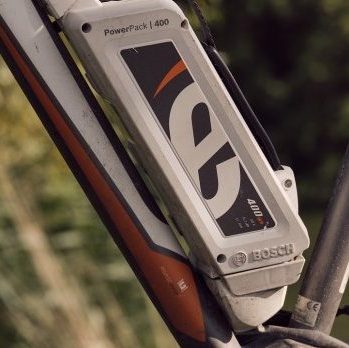
In addition to providing billions of dollars to electrify our fossil-fuel powered vehicles and expand charging infrastructure, an unexpected form of clean transportation — e-bikes — has arisen as a legislative priority due to their huge potential to help us reimagine how we get around.
In a nod to the nascent American “bike boom,” which saw e-bike sales triple in 2020, as COVID-19 lockdowns forced many to stay home and those still commuting to grow weary of using public transit, the multi-trillion dollar Build Back Better legislation includes a whopping $7.4 billion measure for e-bikes. This historic investment, inspired by newly introduced legislation from Reps. Jimmy Pannetta and Earl Blumenauer and Sens. Ed Markey and Brian Schatz, translates into up to $750 in tax credits for Americans purchasing new e-bikes.
Even as making e-bikes more affordable is key to increasing adoption, many would-be riders are still too fearful to take to the streets on two wheels because of safety concerns on our country’s car-centered roadways. These fears are warranted: Almost 700 cyclists were killed in 2020 even amid a record decline in driving nationwide because of the pandemic.
Fortunately, the bipartisan infrastructure legislation, set for a vote Thursday, would make our streets safer for cyclists. If passed, the bill would push federal regulators to better account for the safety of not only drivers, but also cyclists and pedestrians.
Currently, cycling only accounts for a small fraction of the millions of daily trips made in the U.S. each day. But if we provide Americans with the right tools, we can make biking a viable option by making it easier for people to replace shorter car trips with bike trips. According to the National Household Travel Survey, about half of car trips in our country are four miles or less.
E-bikes could make these short trips even easier. From quick grocery runs, to grabbing a coffee with friends, to dropping little Suzy off at school, these clean-running two-wheelers could play a significant role in transforming our country’s transportation system by allowing Americans to drive less and reduce our country’s impact on the climate crisis. And the best part, getting more people onto e-bikes would also have a double positive impact on public health, giving more people ways to stay fit while simultaneously improving our air quality.
But these visions of an e-bike-filled future won’t become reality unless Congress takes action. We need our lawmakers to rally behind the bipartisan infrastructure and reconciliation legislation. By passing these two historic climate bills, the federal government can ensure that cyclists can ride safely on our roadways and ensure that all Americans can afford new road-ready e-bikes.
Our country stands at a crossroads. If we fail to act soon, our transportation habits will continue to fuel increasingly frequent and devastating natural disasters. Alternatively, we can take bold action to curb our country’s effect on climate change by rethinking the way we get around and implementing every tool in our toolbox.
There is no silver bullet for the climate crisis. But we do know one way we can help: Drive less and bike more.
John Stout (@JohnStoutJHS) is a transportation advocate with the U.S. Public Interest Research Group.

Streetsblog has migrated to a new comment system. New commenters can register directly in the comments section of any article. Returning commenters: your previous comments and display name have been preserved, but you'll need to reclaim your account by clicking "Forgot your password?" on the sign-in form, entering your email, and following the verification link to set a new password — this is required because passwords could not be carried over during the migration. For questions, contact tips@streetsblog.org.