Can Corporate Micromobility Companies Really Turn Its Riders Into Street Safety Advocates?
Micromobility giant Lime is launching a program that the company says will turn its riders into activists for comprehensive street safety in their unique places — an unconventional move that some are greeting with optimism, but some are greeting with questions about the influence of corporations on the movement for street safety.
The Lime Action program will use in-app communications, emails, and other tools to prompt scooter riders to get involved in street safety campaigns — and the company was careful to stress that it would take a wide lens on how it defines the word “safety.” Lime will partner with locally focused organizations to decrease traffic violence, increase environmental sustainability, cultivate social and racial justice to connect riders with coordinated actions specific to their region.
The Los Angeles Bike Coalition, Portland’s Coalition of Communities of Color, and the New York League of Conservation Voters are among Lime’s non-profit partners; you can view the rest of the growing list here.
“The goal is to transform one million Lime riders into one million advocates for safe streets,” said Katie Stevens, head of global policy at Lime. “We’ve been listening to non-profits and advocacy organizations in the communities where we work, and they’re eager to see leverage the number of riders we have to help create change.”
If Lime does not yet have a partnership in a particular city, the company will direct its customers to national organizations like the Complete Streets Coalition, as well as voter registration campaigns and petitions for expanding transit function.
The move comes at a moment when micromobility is poised to explode, but dangerous city streets are not yet poised to accommodate a surge of new riders.
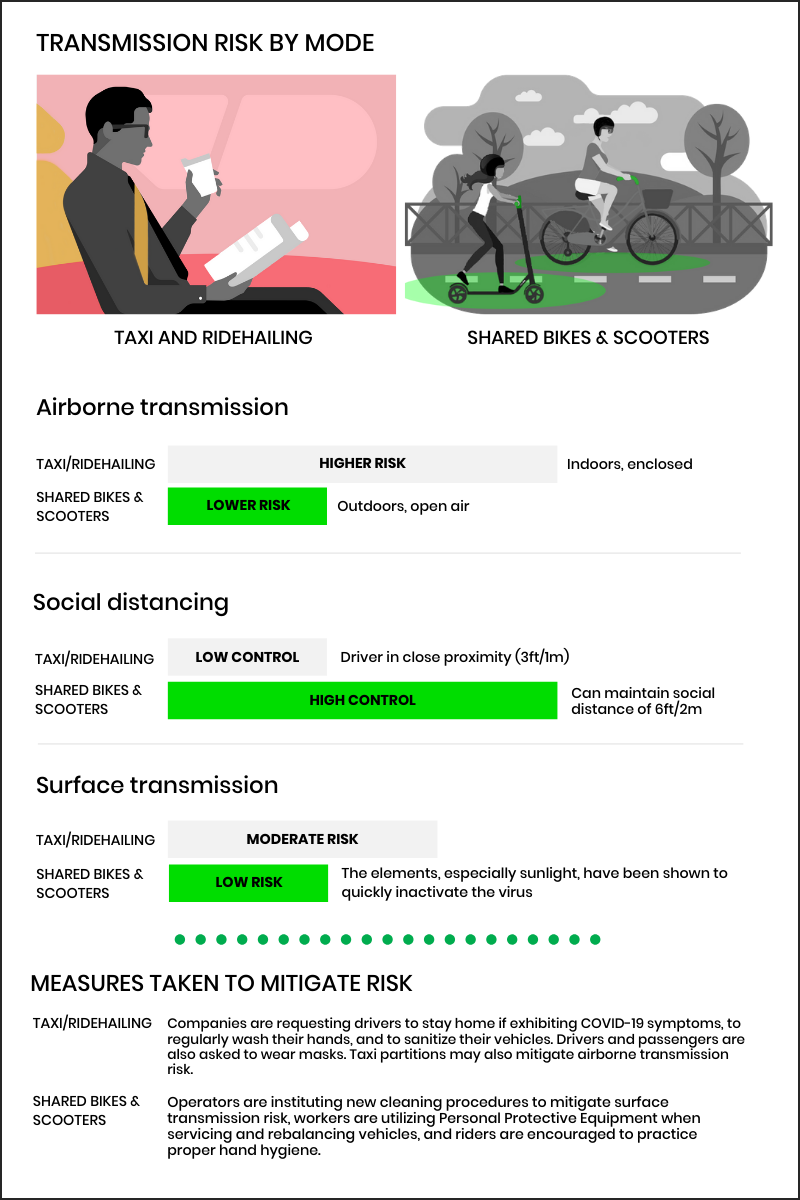
Almost as soon as COVID-19 scared millions of riders off of indoor public transportation modes, evidence began emerging that scooters are among the safest modes of transportation for those looking to minimize exposure to the virus. Just like biking and walking, scooter use has surged in cities across America, and not just at Lime: rival company Bird reported that first-time scooter riders are 93 percent more likely to become consistent scooter commuters than they were before the pandemic.
And multiple companies have confirmed to Streetsblog that the average scooter trip has gotten substantially longer — a finding that suggestions that the mode is becoming a true commuting option, rather than simple recreation.
But many cities have been slow to take action to accommodate this potentially massive mode shift and keep riders safe.
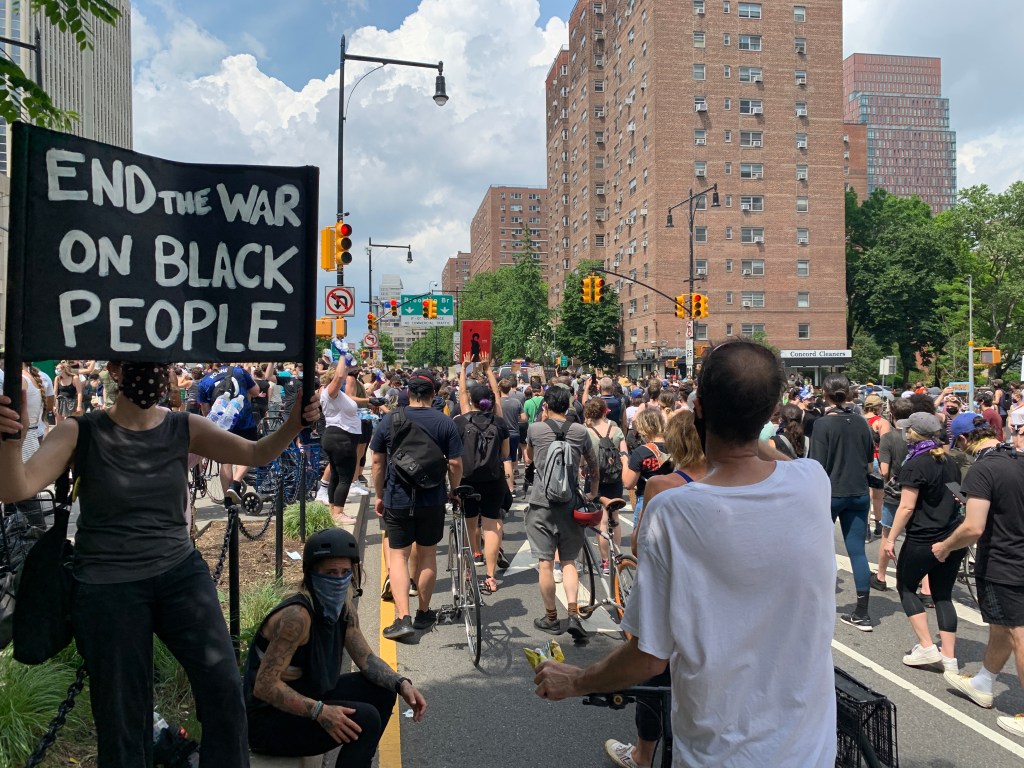
The death of George Floyd and other victims of police brutality have reminded Americans, once again, that violent policing and other forms of structural racism pose significant risks to Black Americans’ free use of public space — and despite weeks of protests, many cities have yet to address police violence in ways that advocates find meaningful.
And despite relentless advocate pressure at the neighborhood level in cities across the U.S., there’s still a broad lack of protected infrastructure for non-car modes — not to mention an urgent need to address rampant air pollution can harm the health of anyone traveling outside an enclosed motor vehicle.
There’s no doubt that our cities need a revolution in street safety — in the broadest sense of the term — and that there is a lack of government action to support that revolution. but is Lime — or corporations like it — the best allies in that fight?
Lime’s list of local collaborators, at least so far, is thin, and heavily focused on active transportation organizations, many of which have drawn criticism for over-focusing on traffic safety rather than to a wider definition of safety that includes dangers that are disproportionately faced by the Black community, like police brutality. It’s also unclear how Lime will select which of its partner organizations’ campaigns to highlight, and how hard the company will push them to riders — both of which could have big implications if Lime Action succeeds in becoming truly influential.
Still, some advocates responded positively to Lime’s announcement, which is at least somewhat unique among corporate “giveback” campaigns for its unusually local focus and strong emphasis on nonprofit-supported direct action campaigns.
Time will tell if Lime Action will succeed in the noble goal of supporting an advocate-set agenda for our mobility future. We hope they do.

Read More:
Streetsblog has migrated to a new comment system. New commenters can register directly in the comments section of any article. Returning commenters: your previous comments and display name have been preserved, but you'll need to reclaim your account by clicking "Forgot your password?" on the sign-in form, entering your email, and following the verification link to set a new password — this is required because passwords could not be carried over during the migration. For questions, contact tips@streetsblog.org.