Friday’s Headlines From Around the Nation
Will transit ever fully recover from COVID-19? Click here to find out.
By
Blake Aued
12:01 AM EDT on April 24, 2020
- Public transportation might never fully recover from the COVID-19 pandemic (City Metric). Vancouver’s TransLink is laying off 1,500 workers and suspending 18 bus routes because it’s losing $75 million a month (CBC).
- Conservative magazine The Federalist continues to falsely claim that transit spreads COVID-19. Such fears have automakers hoping that transit riders will buy cars (Automotive News).
- With gas tax revenue falling and electric cars getting more popular, the U.S. needs a new way to pay for road maintenance. (The Drive)
- John Forester, a controversial figure in the cycling community because he opposed bike lanes and advocated riding with traffic, has died at the age of 90. (Forbes)
- If people keep working from home, walkable neighborhoods will spring to life. (Treehugger)
- A Portland freeway is carrying more cars at higher speeds since the COVID-19 pandemic started because traffic has stayed just below the tipping point — showing that it’s pointless to try to relieve congestion by widening roads without managing demand. (City Observatory)
- The transit union in Philadelphia called off a strike Thursday and will continue talks on coronavirus safety measures. (KYW)
- Landscape Architecture muses about coronavirus and Boston’s Emerald Necklace.
- Paris is creating 650 kilometers of pop-up bike lanes in preparation for easing lockdown May 11. (Forbes)
- These NASA satellite images illustrate how idled vehicles and factories are clearing the air in India.

Blake Aued has been doing Streetsblog's daily national news digest for years. He's also an Atlanta Braves fan, which enrages his editor in New York.
Read More:
Streetsblog has migrated to a new comment system. New commenters can register directly in the comments section of any article. Returning commenters: your previous comments and display name have been preserved, but you'll need to reclaim your account by clicking "Forgot your password?" on the sign-in form, entering your email, and following the verification link to set a new password — this is required because passwords could not be carried over during the migration. For questions, contact tips@streetsblog.org.
More from Streetsblog USA
Every Friday’s Headline Is Sacred
When transit funds are wasted, God gets quite irate.
October 16, 2026

Friday Video: When Walkability Isn’t Enough … Even in the Great Cities of Europe
What happens when livable places get overwhelmingly popular before we can build more of them — or when other failures of design and governance make them bad places to live?

October 16, 2026
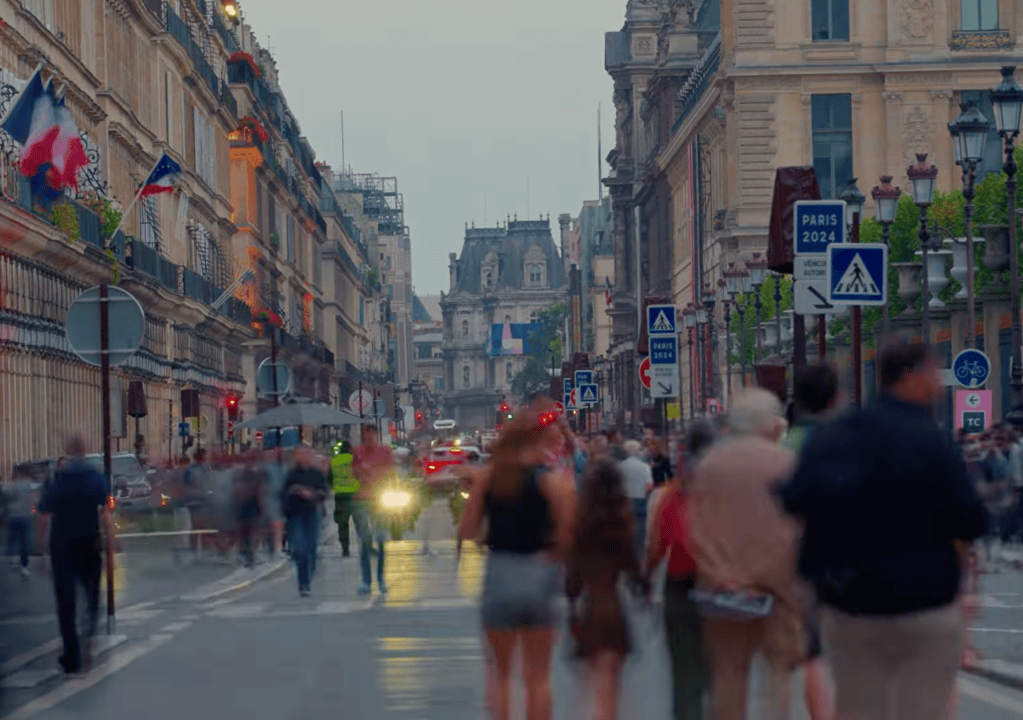
Newsom Signs Bill to Better Align California Transportation Spending With Climate Goals
SB 1087 updates California’s landmark sustainable communities law, strengthening the connection between regional climate plans and transportation investments.

October 15, 2026
Talking Headways Podcast: The Passion Problem in Public Transit
Where should the most enthusiastic supporters of transit try to work?

October 15, 2026
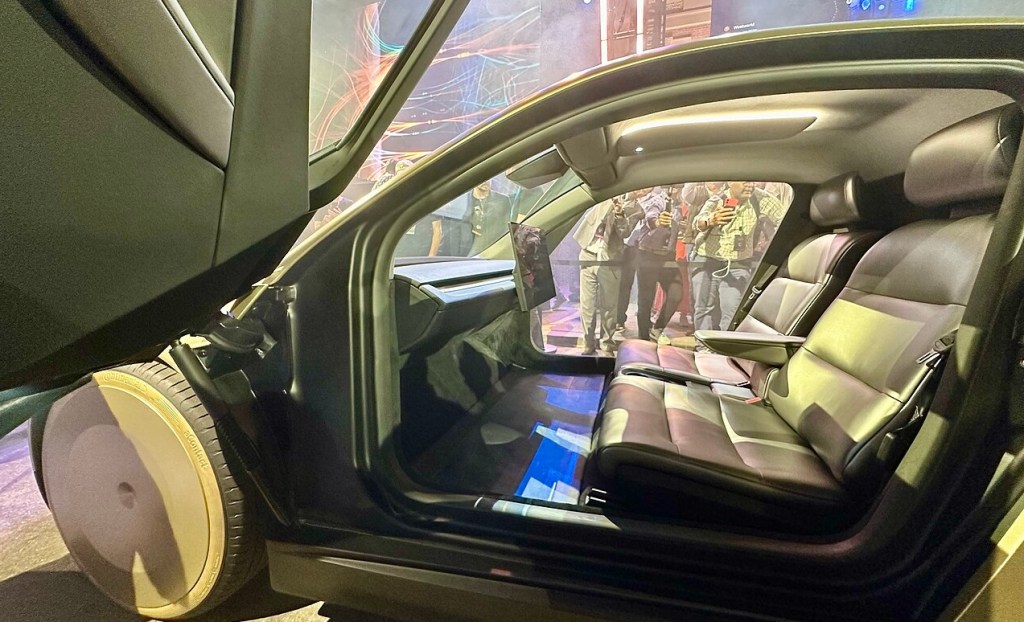
Thursday’s Headlines Are Trouble for Tesla
Autonomous vehicles just can't seem to behave themselves.
October 15, 2026