Study: Uber and Lyft Reduce the Need for Parking
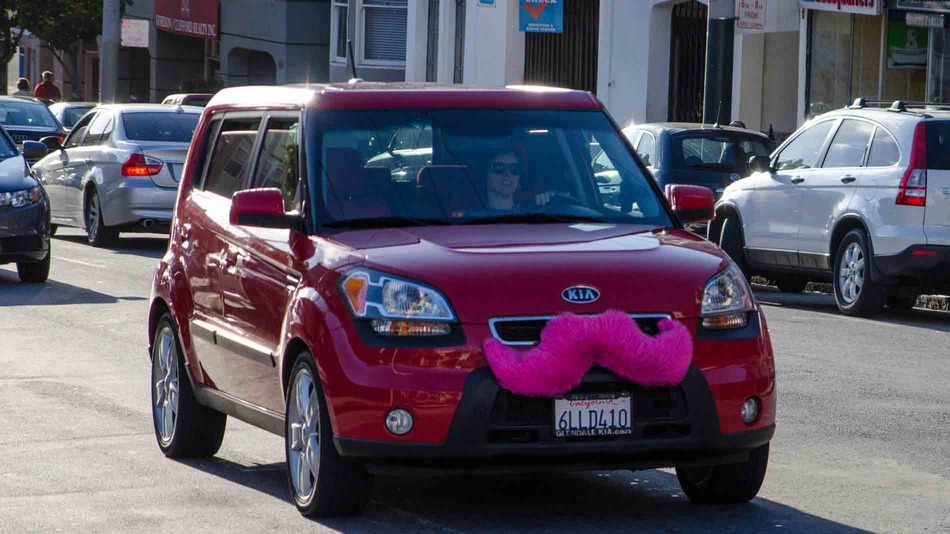
Cities should rethink how much land they devote to parking in the age of Uber and Lyft — particularly at destinations like airports, concert venues and bars and restaurants, a new study shows.
Parking scarcity or price is one of the top reasons people use Uber and Lyft. University of Colorado researchers Alejandro Henao and Wesley Marshall estimate that about a quarter of all ride hailing trips would have otherwise consumed a parking space. This is especially true for destinations where it is hard or expensive to park, including airports, concert venues, universities, downtowns and are and restaurants.
Because Uber and Lyft do not make their data available for study, the research team gathered data by signing up as drivers at both companies in the Denver metro area. They would survey riders about how they would have made the trip otherwise. And measure how long it would take to park, and how much it would cost at each destination.
Even though parking is a key reason people take Uber and Lyft, for most of the study trips parking was free and easy. At the end of every trip, Henao would record how long it took to find parking at the destination. In 72 percent of cases, there was no cost for parking (after the passenger disembarked), and for most trips, parking took 30 seconds or less.
But the ease of parking varied quite a bit depending on certain factors — from seconds to 29 minutes in the most-severe case (overall, the average was 3.4 minutes). The trips where parking took more than 15 minutes to find were mainly concert venues and airports or college campuses, Henao and Marshall said.
Car owners were most likely to say they used Uber and Lyft to avoid parking hassles.
“Having Uber and Lyft as options means that we don’t need to supply as much parking around restaurants, bars, event venues, stadiums, etc.,” Marshall told Streetsblog. “So in terms of parking in cities, I hope that our paper helps give cities the wherewithal to do what they should already by dedicating less land to parking and putting it to a better use.”
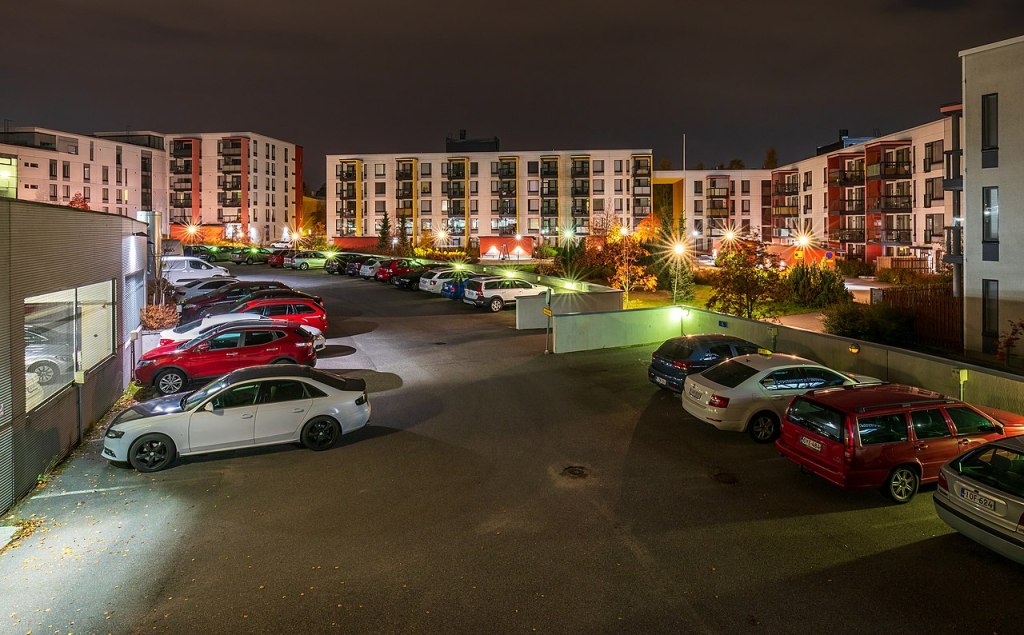
Many cities require a minimum number of parking spaces at practically every destination — rules that serve as a hidden subsidy for driving. As a result, U.S. cities are drowning in parking. Des Moines, Iowa, has an estimated 18 spaces for every person.
The study offers good news for cities that want to change that equation, but there is, of course, some bad news from Uber and Lyft. A recent study by the same duo found that Uber and Lyft add 83 percent more driving miles than if they did not exist.
Ride hailing makes up only about 1 percent of total miles driven in the U.S. in 2017 but for certain destinations and in certain metro areas, ride-hailing traffic might be much higher, the research team says.
A person is most likely to choose Uber or Lyft because they intend to drink, with concern about parking the next most-cited reason. Among non-car owners, about 12 percent of riders said they used Uber and Lyft because public transport didn’t provide service to their destination.

Streetsblog has migrated to a new comment system. New commenters can register directly in the comments section of any article. Returning commenters: your previous comments and display name have been preserved, but you'll need to reclaim your account by clicking "Forgot your password?" on the sign-in form, entering your email, and following the verification link to set a new password — this is required because passwords could not be carried over during the migration. For questions, contact tips@streetsblog.org.