Friday’s Headlines
Like many cities, Charleston, S.C., swapped out its trolleys for buses 80 years ago, which proved to be a mistake. Recent decades have seen several failed efforts to bring passenger rail back to the now-traffic-choked city. (Post and Courier) An Atlanta program that promised to fix hundreds of roads, bridges and sidewalks is $410 million … Continued
By
Blake Aued
12:01 AM EST on November 23, 2018
- Like many cities, Charleston, S.C., swapped out its trolleys for buses 80 years ago, which proved to be a mistake. Recent decades have seen several failed efforts to bring passenger rail back to the now-traffic-choked city. (Post and Courier)
- An Atlanta program that promised to fix hundreds of roads, bridges and sidewalks is $410 million short. So what gets cut? (Saporta Report)
- Consultants will recommend that security guards on St. Louis’ MetroLink rail system spend more time on trains and less on platforms to address a perception of crime that’s contributed to a drop in ridership. (Post-Dispatch)
- Downtown San Antonio’s sidewalk problems make it hard for people in wheelchairs to get around. The city is working on a sidewalk master plan and recently hired a pedestrian mobility officer. (News4SA)
- The Southwest Ohio Regional Transit Authority will have to dip into reserves to avoid bus service cuts in Cincinnati next year. (WCPO)
- It sounds like the 280,000 “yellow vest” protesters in France are angry about more than just the price of gas. But what? (City Lab)
- Are shoppers even using all that parking on the busiest retail day of the year? Strong Towns wants people to post photos of underutilized lots on Black Friday to combat minimum parking requirements.

Blake Aued has been doing Streetsblog's daily national news digest for years. He's also an Atlanta Braves fan, which enrages his editor in New York.
Read More:
Streetsblog has migrated to a new comment system. New commenters can register directly in the comments section of any article. Returning commenters: your previous comments and display name have been preserved, but you'll need to reclaim your account by clicking "Forgot your password?" on the sign-in form, entering your email, and following the verification link to set a new password — this is required because passwords could not be carried over during the migration. For questions, contact tips@streetsblog.org.
More from Streetsblog USA
Monday’s Headlines Are For the Children
Electric buses and e-bikes are leading to a healthier lifestyle for kids and teenagers.
October 5, 2026
Walkable Cities Can Make Life Better for Drivers, Too
...at least when communities embrace a handful of design strategies that make transportation better for everyone.

October 5, 2026

Friday’s Headlines Do Things Backwards
The best cities have street grids with small blocks, but in recent decades cities have ceded the important responsibility of designing streets to private developers.
October 2, 2026
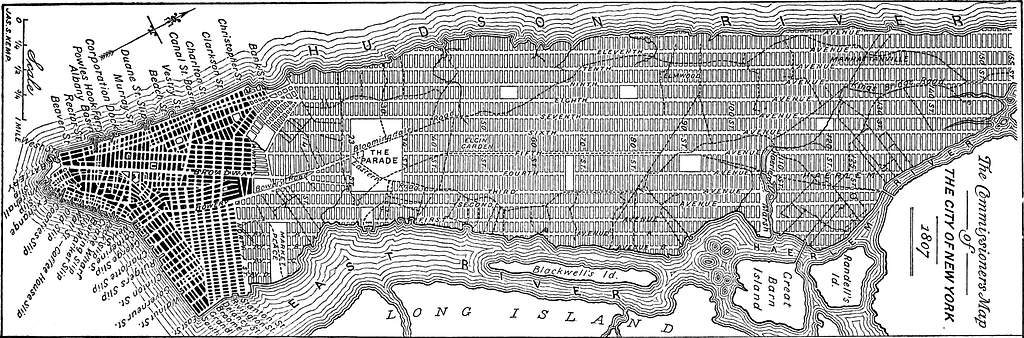
Op-Ed: How Urban Planning Can Succeed in America
Urban planners should study successful experiments throughout the country.

October 2, 2026

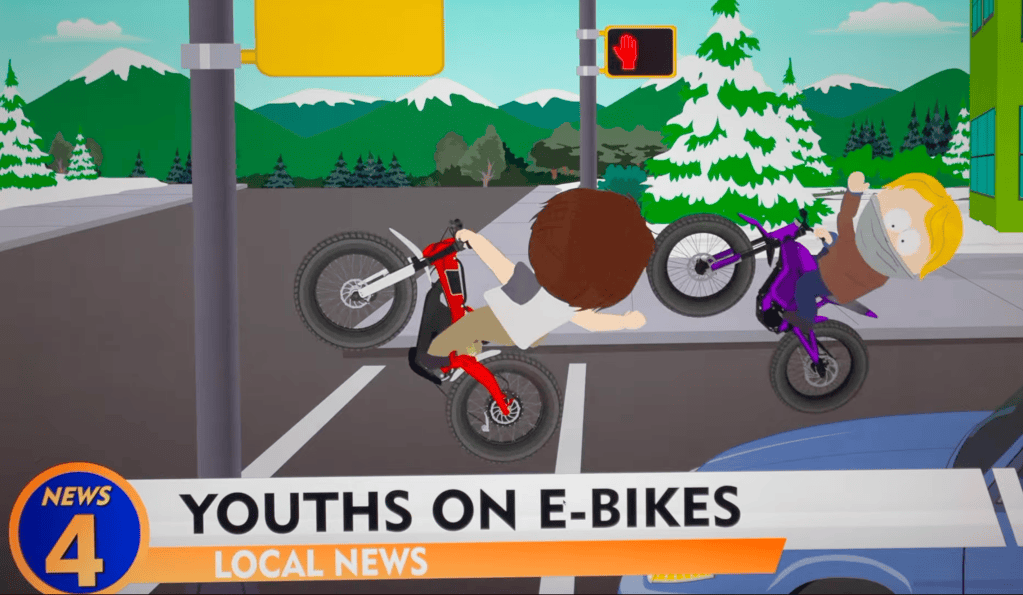
Friday Video: Fine, We’ll Talk about the E-Bike Episode on South Park
The fictional Colorado town has ample parking day or night... and the same issues with deadly e-motos getting confused for e-bikes as the rest of the country, apparently.

October 2, 2026