Back to Square One for Nashville Transit
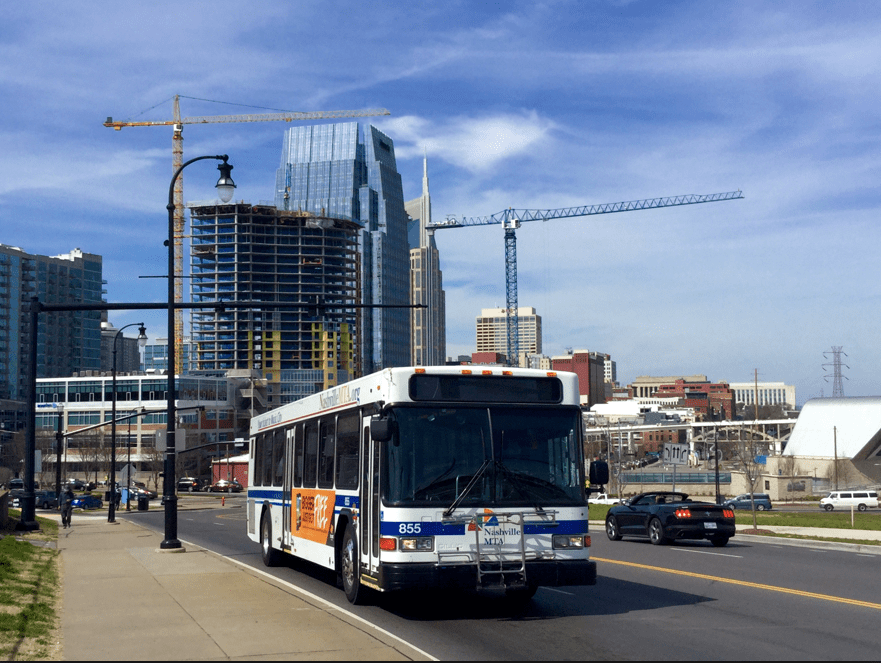
Nashville’s $5.4 billion transit improvement package went down in a lopsided 64-36 vote yesterday.
The proposal won praise from national transit experts for fortifying basic bus service in addition to mapping out new light rail lines and rapid busways where demand for transit is greatest.
The headwinds were strong, however. The main political champion for the transit package, Mayor Megan Barry, resigned due to a sex scandal two months before the election. In recent weeks, dark money poured into the opposition campaign.
But the margin of defeat suggests the transit referendum wouldn’t have passed even if Barry stayed in office and the Koch brothers stayed out of the debate. Acting Mayor David Briley supported the referendum, as did the Nashville Area Chamber of Commerce. And in the end, the pro-transit side outspent the anti-transit side. The vote still wasn’t close.
Now Nashville is back at square one. There’s consensus in the city that traffic and car dependence are problems, but there’s no fallback plan for transit.
Nora Kern, executive director of Walk Bike Nashville, backed the transit referendum as part of a coalition of 130 community groups. It’s not clear what’s next for Nashville transit, she said.
“It will depend on who wins the mayor’s race,” she said. “My guess is it will become a main feature of mayoral races.”
With the special election set for May 24, Briley is the leading candidate right now in a field of 12, according to the Tennessean. One of the other candidates is jeff obafemi carr, a high-level organizer for the opposition group NoTax4Tracks (he “chooses to lowercase his name in a gesture of humility,” the Tennessean‘s Joey Garrison reports).
In the meantime, Kern has a few ideas about how the campaign for better transit should regroup.
For one, she thinks nonprofit groups like her own should play a bigger role in developing the proposal, and the Chamber should take a step back. In addition, she said, a new plan might focus less on light rail and more on buses, sidewalks, and housing.
“The questions of affordable housing and transportation have to be more closely linked,” she said. “We lost a lot of the progressive movement because there were concerns about displacement.“
The “People’s Alliance for Transit, Housing and Employment,” for example, opposed the measure, demanding more assurances about funding for below-market housing, more bus service improvements, and free fares for low-income residents. The package on the ballot did mention preserving affordable housing but did not devote funds to it [PDF].
Metro Council Member Angie Henderson, an advocate for walkability who opposed the transit measure, said on Twitter she thinks a smaller package with less emphasis on light rail is the way to go.
The sooner Nashville can lay out a plausible path forward, the better. Even among transit-starved southern cities, Nashville stands out for its abysmal transit system, with ridership well below peers like Charlotte and Atlanta.

Streetsblog has migrated to a new comment system. New commenters can register directly in the comments section of any article. Returning commenters: your previous comments and display name have been preserved, but you'll need to reclaim your account by clicking "Forgot your password?" on the sign-in form, entering your email, and following the verification link to set a new password — this is required because passwords could not be carried over during the migration. For questions, contact tips@streetsblog.org.