Britain’s Forgotten Protected Bike Lane Network

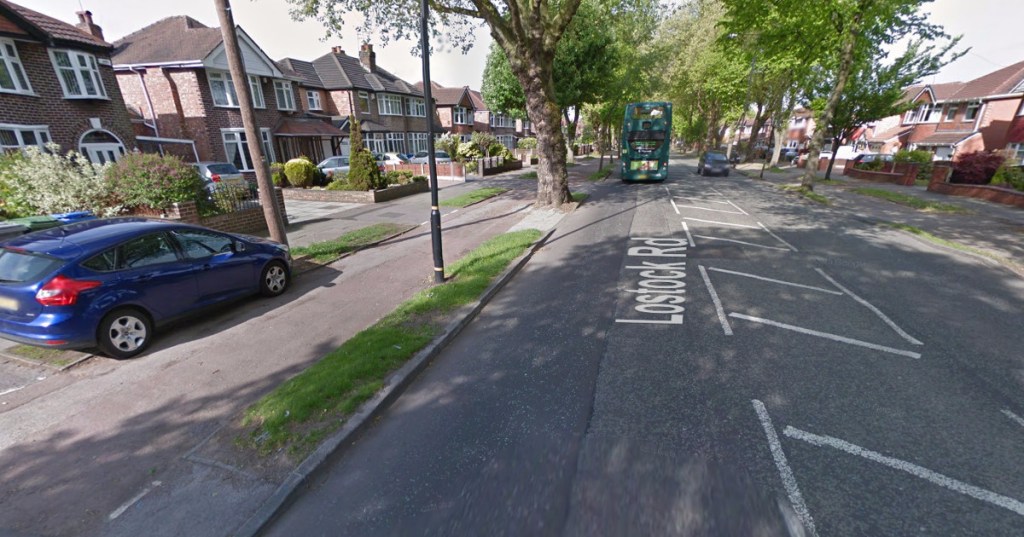
A U.K. historian is on a quest to find and reclaim hundreds of miles of protected bike lanes built across his country in the early 20th century and then abandoned.
Carlton Reid, the author of Roads Were Not Built for Cars and next month’s Bike Boom, says he’s found 320 miles of abandoned protected bike lanes so far using archived documents and period road maps, then tracked them down on Google Street View.
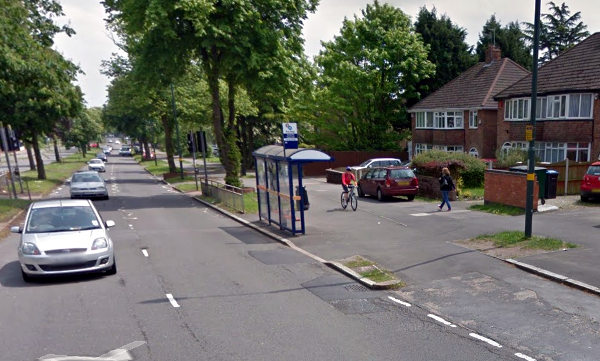
That’s more mileage of forgotten on-street separated bikeways in Britain than the 300 or so miles known to be in use today in the entire United States.
“The minister of transport said in 1939 that 500 miles were built,” Reid said in an email. “I originally thought he was exaggerating – not so much now.”
Reid is in the midst of an already-successful Kickstarter campaign raising money for a report about the forgotten bikeways.
Built for the working classes, then erased
The protected bike lanes were built between 1934 and 1940, after private cars had become common in richer households but before World War II’s mobilization and aftermath led to a boom in auto-oriented neighborhoods for the middle classes.
“The cycleways were built for working class cyclists,” Reid said. “Clearly, the Ministry of Transport had an ambitious program, but it didn’t carry it on after the end of the war, as was the plan.”
The pre-war coalition government even brought in consultants from the Netherlands, then as now the world’s experts on building low-stress biking networks.
Britain’s lost protected bike lane networks from the Great Depression recall the short-lived protected bike lane boom in many U.S. cities around the turn of the 20th century. That period, also long forgotten, was rediscovered in 2013 by a historian in Wisconsin.
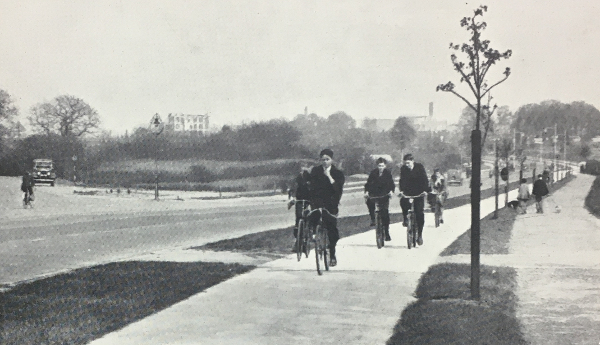
But as in the United States, Britain’s protected bike lanes eventually fell out of official recognition — though some are still ridden today by people looking for comfortable places to pedal.
Reid hopes that his research project will put the stamp of legitimacy on these forgotten routes, leading governments to reclaim them from adjacent property owners, many of whom have appropriated the bikeways for free storage of their own vehicles.
“It will be a struggle to get motorists in to stop parking their cars in the cycleways,” Reid said. “But perhaps history can show local authorities who these spaces were originally designed for.”
PlacesForBikes is a PeopleForBikes program to help U.S. communities build better biking, faster. You can follow them on Twitter or Facebook or sign up for their weekly news digest about building all-ages biking networks.

Read More:
Streetsblog has migrated to a new comment system. New commenters can register directly in the comments section of any article. Returning commenters: your previous comments and display name have been preserved, but you'll need to reclaim your account by clicking "Forgot your password?" on the sign-in form, entering your email, and following the verification link to set a new password — this is required because passwords could not be carried over during the migration. For questions, contact tips@streetsblog.org.