Talking Headways Podcast: Designing City Streets for People
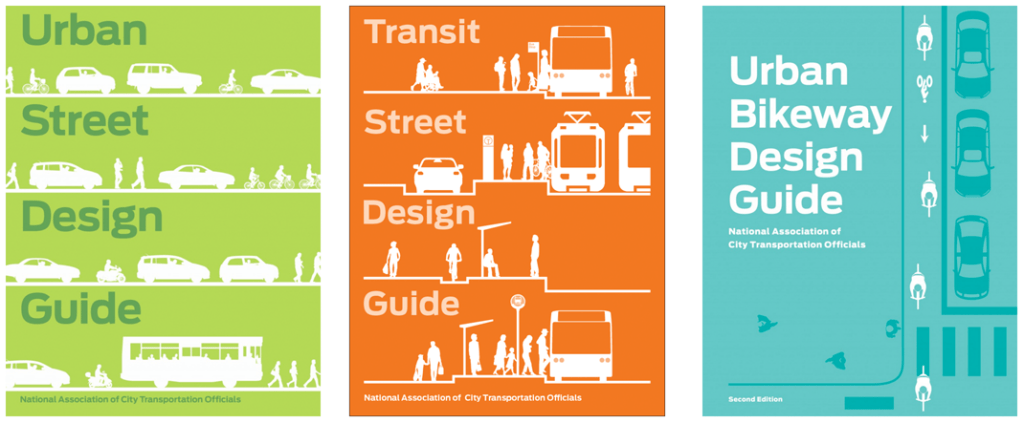
This week Corinne Kisner and Matthew Roe of NACTO tell us about their influential series of street design guides that give transportation engineers "permission" to put walking, biking, and transit first. Learn how the guides are put together and how cities are using them to prioritize people instead of cars.
By
Jeff Wood
11:41 AM EST on March 10, 2017
This week Corinne Kisner and Matthew Roe of the National Association of City Transportation Officials tell us about their influential series of street design guides — manuals that give transportation engineers “permission” to reorient streets so walking, biking, and transit come first. Listen in and learn how the guides are put together and how cities are using them to change their streets to prioritize people instead of cars.

Jeff Wood is the creator of the Talking Headways podcast and editor of the newsletter The Overhead Wire.
More from Streetsblog USA
Trump’s ‘Freedom Means Affordable Cars’ Rings Hollow As Gas Prices Surge
Real freedom is the freedom to choose how you get around — including not driving at all.
March 30, 2026
Monday’s Headlines Pedal Backwards
The Trump administration really does not want to make it easy to ride a bike.
March 30, 2026
Transit Safety For the People, By the People
One congresswoman wants to make transit safer, but not with police.
March 30, 2026
Friday Video: Five Bike Advocacy Mistakes You Don’t Even Know You’re Making
For one thing, make sure that political leaders who say "no" to livable streets experience consequences for their decisions.
March 27, 2026
Friday’s Headlines Take a Free Ride
Waymo has remote response teams, but when a robotaxi gets stuck, emergency responders have to get behind the wheel.
March 27, 2026
Comments Are Temporarily Disabled
Streetsblog is in the process of migrating our commenting system. During this transition, commenting is temporarily unavailable.
Once the migration is complete, you will be able to log back in and will have full access to your comment history. We appreciate your patience and look forward to having you back in the conversation soon.