Pittsburgh and the Challenge of Changing a City’s Car Culture
Since Mayor Bill Peduto assumed office in 2014, Pittsburgh has been a city that doesn’t shy away from changing its streets. Most recently, two more protected bike lanes are now slated for downtown, and of course Peduto made a splash partnering with Uber to test autonomous vehicles on city streets.

Paul Mackie at Mobility Lab (a think tank headquartered in Arlington, Virginia) recently visited the Steel City and was eager to see how its new reputation holds up in person.
He says Pittsburgh has a lot going for it:
- Mayor Bill Peduto is a real mover-and-shaker, something any city that wants to retrofit its car culture must have.
- Pittsburgh made it into the final seven for the U.S. Department of Transportation’s Smart City Challenge (which was awarded to Columbus, Ohio).
- Mayor Peduto is hiring for a director of the just-announced city Department of Mobility and Infrastructure, which will think more holistically about the ways Pittsburgh uses its streets and public spaces.
But even so, Mackie says, the city has a long way to go:
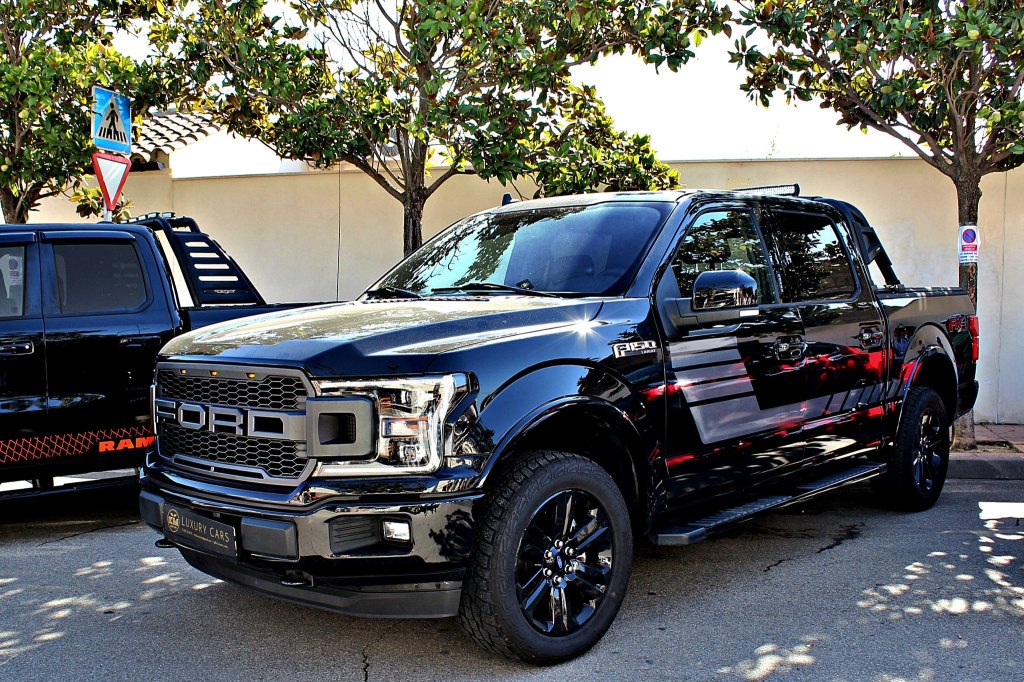
- That car culture is certainly alive and kicking in Pittsburgh. Anecdotally, at least compared to the rapidly improving Washington, D.C., region, there seems to be considerable amounts of honking, unsafe maneuvers in crowded areas, and a general animosity towards people on foot and bicycles.
- Several times, I walked along Forbes Avenue — a major one-way thoroughfare that runs east from downtown to the University of Pittsburgh and Carnegie Mellon University. Walking along on the sidewalks or waiting at bus stations feels terrifying, with fast-moving buses and cars passing dangerously close by. This is a street loaded with college students, who are the keys to our future and arguably one of the city’s greatest calling cards. Wouldn’t Forbes Avenue be better served as a red carpet of sorts for tourists and students to see what a great city it is they are entering? Traffic-calming measures, better and more creative sidewalks and bus stops, and protected bike lanes are all desperately needed.
Elsewhere on the Network today: Greater Greater Washington takes a look at the painful service cuts WMATA is considering as it contends with a budget crisis. And Seattle Transit Blog makes the case for ST3, the ballot initiative that would generate $54 billion to expand transit in the region.

Read More:
Streetsblog has migrated to a new comment system. New commenters can register directly in the comments section of any article. Returning commenters: your previous comments and display name have been preserved, but you'll need to reclaim your account by clicking "Forgot your password?" on the sign-in form, entering your email, and following the verification link to set a new password — this is required because passwords could not be carried over during the migration. For questions, contact tips@streetsblog.org.