How Many Americans Are “Captive Drivers”?
The concept of the “captive” transit rider — the idea that there is a fixed number of people who ride transit because they have no alternatives — is deeply flawed. Among other problems, it overlooks how low-income people without cars are sensitive to the quality of transit and will choose not to use poor service. And yet discussions of “captive” vs. “choice” transit riders persist.

In a recent Twitter conversation, John Halverson suggested a twist: “how about calling people in the burbs with no choice but to drive ‘captive drivers?'”
At his blog Human Transit, transit consultant Jarrett Walker says “sometimes the best way to undermine a misleading or prejudicial term is to promote an analogous term.” He embraces the “captive driver” concept:
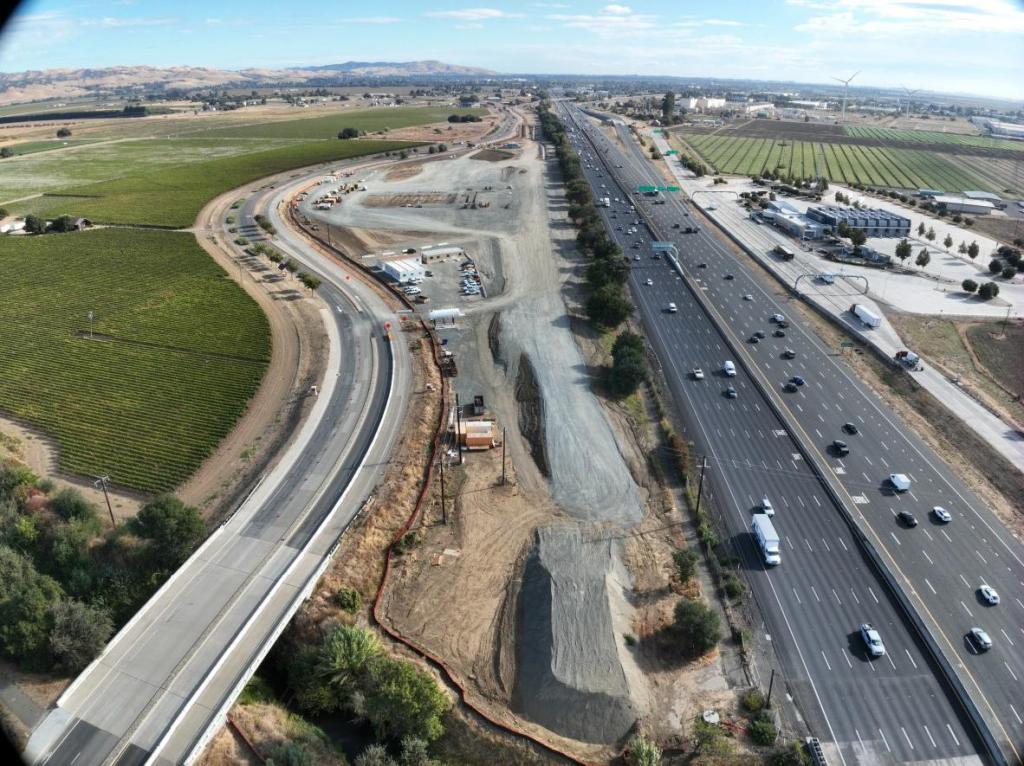
Yes, much of my life I’ve been a captive driver, in that I’ve been forced to live and work in landscapes where there are no reasonable choices for how to get around.
One of the worst things about being a captive driver is having to drive when you know you really shouldn’t. I’m careful with alcohol, but there are times when I’m just tired, or irritable, and there’s no choice but to drive.
I know several older people who are captive drivers. They know they probably should stop driving soon, but their happiness and even sanity may require them to stay in the house and garden that they’ve known for decades, even though that’s a place where transit isn’t viable. (And they often lack the smartphone skills to use Uber or Lyft, or have disabilities that those companies can’t handle.)
Elsewhere on the Network today: Kristen Jeffers at the Black Urbanist says Trump’s references to the “inner city” are simplistic and don’t reflect the reality of many cities today. The Urbanist reports advocates in Seattle are planning a rally to draw attention to dangerous traffic conditions on the city’s northeast side. And Seattle Transit Blog wonders whether I-5 express lanes can be transformed into transitways in the short term.

Read More:
Streetsblog has migrated to a new comment system. New commenters can register directly in the comments section of any article. Returning commenters: your previous comments and display name have been preserved, but you'll need to reclaim your account by clicking "Forgot your password?" on the sign-in form, entering your email, and following the verification link to set a new password — this is required because passwords could not be carried over during the migration. For questions, contact tips@streetsblog.org.