Anthony Foxx Envisions a “Gradual Shift” Away From Car Dependence
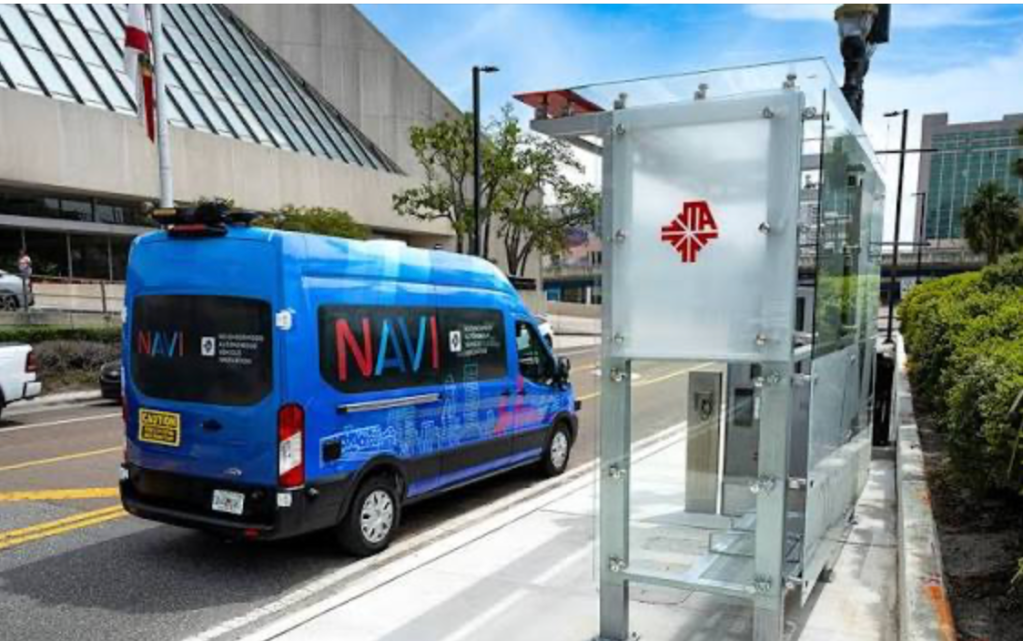
Transportation Secretary Anthony Foxx criss-crossed the country last week on a tour of the seven finalists for U.S. DOT’s $50 million “Smart City Challenge” grant.

When Foxx was in Portland, Jonathan Maus at Bike Portland got a chance to ask him how he plans to change the transportation “paradigm” so walking, biking, and transit become the norm. Six years after Transportation Secretary Ray LaHood climbed on a table at the National Bike Summit and announced “the end of favoring motorized transportation at the expense of non-motorized,” Maus notes, federal policy still tilts heavily in favor of car-based infrastructure.
Here’s what Foxx said:
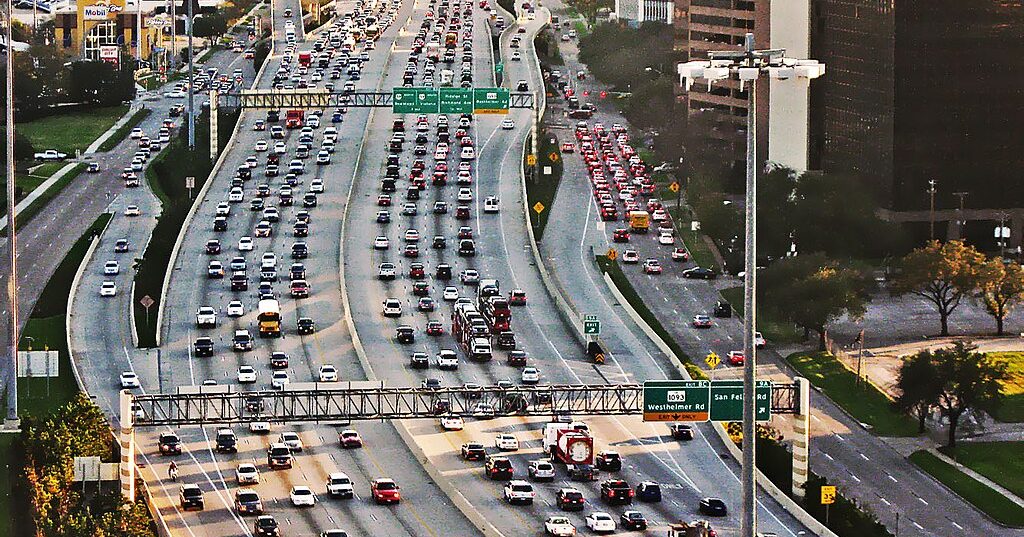
I think we’re going to need cars. We’re going to need a mix of transportation options. I think we have a supply-side mentality right now at the federal level where we presume that 80 cents on the dollar should go to the automobile within the Highway Trust Fund. And I actually think over the longer term we’re going to need to look at a more performance-based system where we look at things like: How it congestion best reduced? How do we increase safety? How do we move significant numbers of people most efficiently and effectively and cleanly. And I think that’s going to push us into a different mix of transportation choices.
But I think it’s a slow, gradual process. Look around the world and no country has created a multimodal system overnight; but I think that’s ultimately where we’re headed. We have to have a mix of transportation choices. It includes the automobile, but it’s not exclusive to the automobile.
Foxx’s power to set transportation policy pales in comparison to Congress and the White House, but he could be doing more to speed up a shift of priorities at the federal level. U.S. could, for instance, reform the way states measure congestion, so people riding the bus count as much as solo drivers. But so far Foxx’s agency has been reluctant to do that.
Elsewhere on the Network today: Transport Providence considers how insight from conservatives could improve transit projects. The Transportationist explains how the “modernist” vision for transportation undervalued places and diverged from thousands of years of human experience. And City Block considers the advantages and drawbacks of Denver’s new airport train.

Read More:
Streetsblog has migrated to a new comment system. New commenters can register directly in the comments section of any article. Returning commenters: your previous comments and display name have been preserved, but you'll need to reclaim your account by clicking "Forgot your password?" on the sign-in form, entering your email, and following the verification link to set a new password — this is required because passwords could not be carried over during the migration. For questions, contact tips@streetsblog.org.