Schools, Streets, and the Deadly Negligence of State DOTs

Here is a truly heartbreaking story about the price we pay for prioritizing cars over people on our streets.
This weekend in St. Louis County, a turning driver struck and killed 7-year-old Rachel Bick on Highway 109. She was trying to cross the street on her way to a father-daughter dance at Babler Elementary.
As Richard Bose at Next STL writes, this wasn’t an unforeseeable incident. The Missouri Department of Transportation treats Highway 109 like a space only for cars, even though it separates two elementary schools. It’s not coincidence, says Bose, that MoDOT roads like this are frequent scenes of carnage:
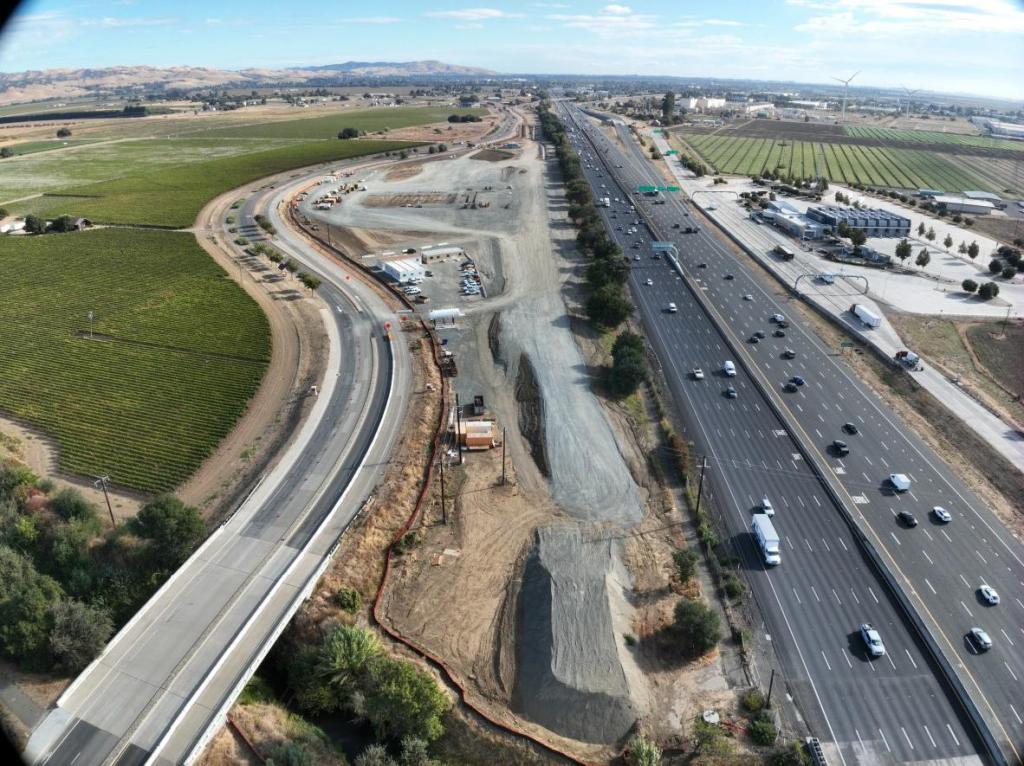
The highway was built as a road — meant to move cars quickly between places. It’s being turned into a stroad (video) as development occurs along it. A stroad tries to function as both a road and a street and fails at both. A stroad environment is predictably dangerous. The highway has no pedestrian safety features at the site of Saturday’s tragedy, not even quite affordable paint. The nearest traffic light is about 500 ft away and the nearest marked crosswalk is 1000 ft away. We can’t expect anyone to walk that far to cross Highway 109.
The Post-Dispatch has profiled other citizens’ struggles to get around without an effectively government-mandated car. Every day, 78-year-old Vita O’Hare crosses Olive Boulevard (MO 340) near Faust Park. Her choices are: not visit her husband, get a car like a normal person, be dependent on others for rides, risk her life on Olive Stroad. She exemplifies the coming crisis of growing old in spread out built environments. We all know she is at risk, but we voluntarily disregard it.
Options to enhance safety here are numerous, obvious, and many are cheap. Obvious if our priority is to not kill kids (or anyone else) rather than moving as many cars as quickly as possible. If a company were this negligent, the parents would and could sue.
Elsewhere on the Network today: Transportation for America says the draft rule handed down by U.S. DOT governing how to measure congestion leaves a lot to be desired — in-depth analysis coming soon. And Not of It reflects on the lengths Houston has gone to in the quest to supply parking for Astros games.

Read More:
Streetsblog has migrated to a new comment system. New commenters can register directly in the comments section of any article. Returning commenters: your previous comments and display name have been preserved, but you'll need to reclaim your account by clicking "Forgot your password?" on the sign-in form, entering your email, and following the verification link to set a new password — this is required because passwords could not be carried over during the migration. For questions, contact tips@streetsblog.org.