A Letter-Grade System for Walkable Retail Buildings
What makes a building walkable? Or rather, what kind of buildings make a city walkable?
11:24 AM EST on January 7, 2016

What makes a building walkable? Or rather, what kind of buildings make a city walkable?
David Barboza at Network blog Straight Outta Suburbia has been giving the matter some thought. He lays out his letter grade system for retail buildings in a recent post:

An “A” building has to comply with the following rules:
- The building is placed along a street with a sidewalk and is set back from the front property line from zero to no more than five meters. If the building is on a corner lot with two or more frontages, it must be placed zero to five meters back from one corner.
- The building has a usable entrance that faces the sidewalk.
- Off-street parking, if present, is placed to the side, to the rear or beneath the building, but is not placed between the sidewalk and the building. Protected pedestrian walkways accessible to the disabled must be provided between the parking area and the sidewalk.
- The building is at least two stories tall and the upper floor (or floors) contains another use, typically housing or office space.
Meanwhile, at the other end of the spectrum, here’s what gets an F from Barboza:

- The building is set back more than 22 meters from the front property line along a street with a sidewalk and has parking or a drive-thru lane located between the sidewalk and the building entrances. On a corner lot, the building is set back at least 22 meters from either the front or a side property line.
- The building contains retail, but no other land uses.
- Alternatively, any shopping center along a street with no sidewalks receives an F.
What do you think about the ranking system — does it get the metrics right?
Elsewhere on the Network today: The Wash Cycle holds up a worthy candidate for worst sidewalk in northern Virginia. And Bike Portland reports that the city is caving to the state and removing one of its most in-demand bike lanes.

Angie is a Cleveland-based writer with a background in planning and newspaper reporting. She has been writing about cities for Streetsblog for six years.
Read More:
More from Streetsblog USA
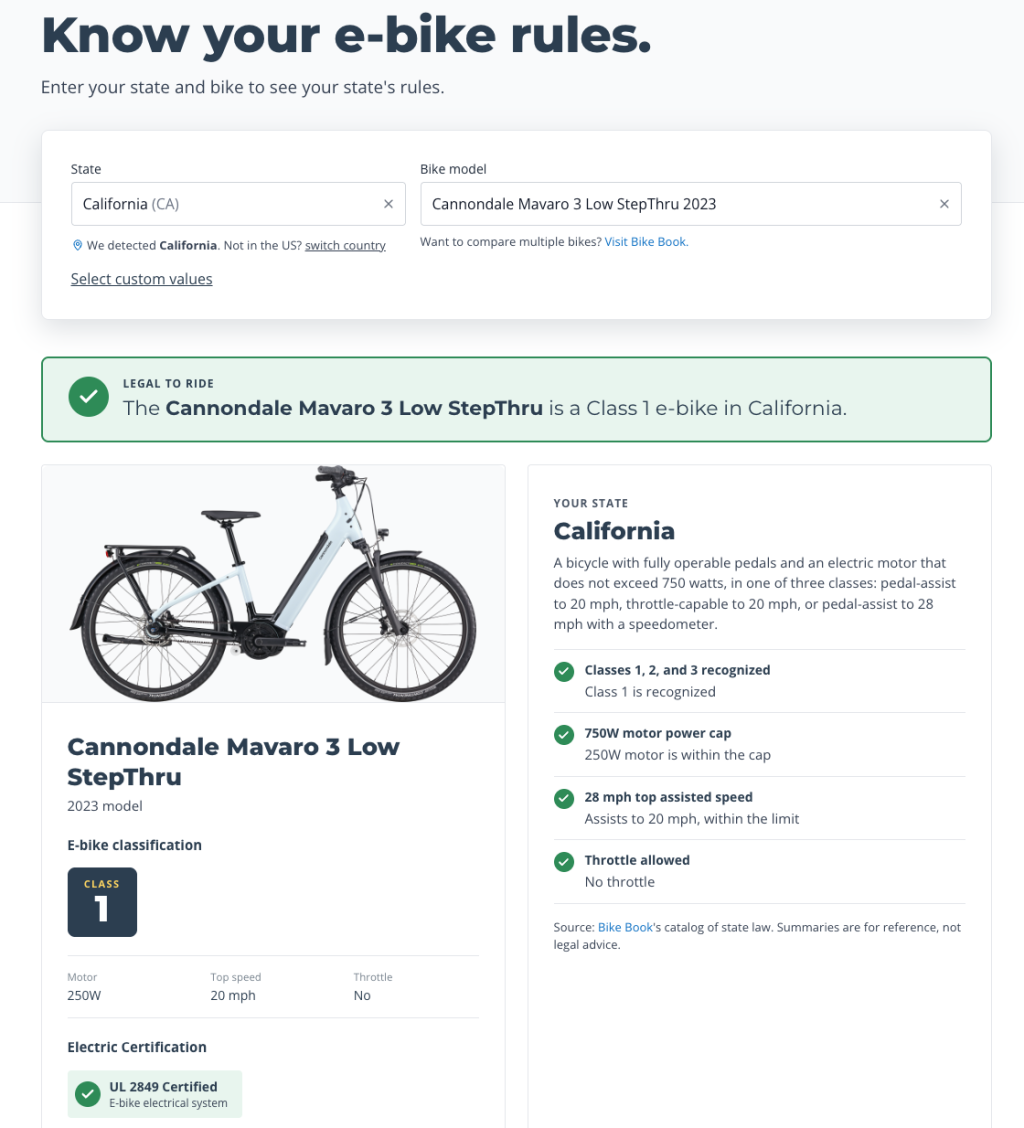
New Bike Index Tool Helps Consumers Figure Out Which E-Bikes Are Legal
The free E-Bike Rules Checker lets riders, parents and shoppers look up specific models and see how they are classified and what rules apply in their state.

November 20, 2026
Friday’s Headlines Ran to the Polls
People for Bikes tracked the walking and biking projects that won voter approval earlier this month.

November 20, 2026

Talking Headways Podcast: One-Way Streets
Michelle Marx and Peter Koonce discuss one- and two-way streets in Austin and Portland.

November 19, 2026
A Futuristic Baltimore Art Exhibit Could Catalyze a New Freeway Fighting Movement
An art exhibit challenges Charm City locals to envision a bold new future without one of their city's most notorious urban highways.

November 19, 2026

Sean Duffy’s DOT Pitches Congestion Pricing Grants While Trying to Kill Congestion Pricing
"That's a pretty remarkable about-face," MTA boss Janno Lieber marveled about the news.

November 19, 2026