When “Congestion Reduction” Policy Actually Doubles Down on Congestion
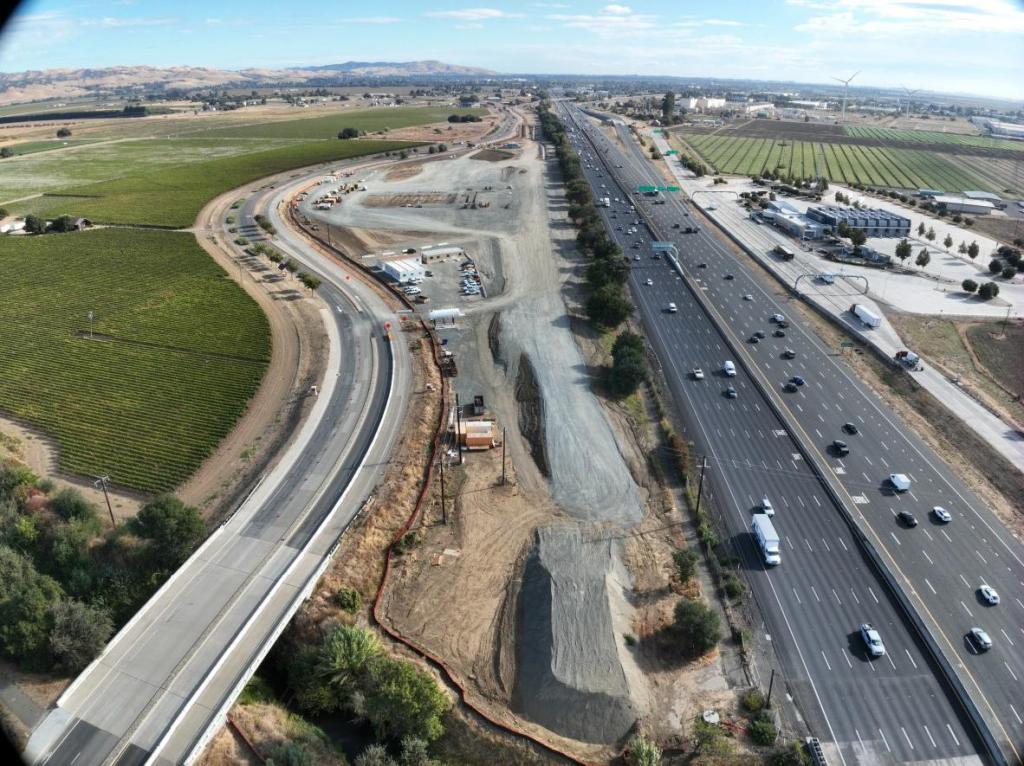
The powers that be in Northern Virginia are getting ready to divvy up $350 million between a list of transportation projects. But in this growing, congested region, highway projects always have an edge over transit in these types of budgeting sessions, thanks to some old-fashioned policies that come from the state DOT.

Douglas Stewart at Greater Greater Washington explains:
VDOT’s rating system for [Northern Virginia Transportation Authority] projects rewards expansions of the busiest highways, on the assumption that more road capacity will reduce congestion. It’s a flawed 20th century metric that ignores decades of real world experience that bigger roads actually make congestion worse.
The VDOT system does not measure things like how a project might benefit safety, or increase accessibility, and doesn’t take into consideration how land use changes are driven by infrastructure.
The biggest problem is simply that VDOT’s model doesn’t know what to do with short distance trips, which are the exact type of trip that transit-oriented development produces more of. So when a transit or pedestrian project makes it possible for thousands of people to walk two blocks instead of drive five miles, the VDOT model doesn’t always show that as reducing congestion.
Thus, road expansion projects end up looking good, and other things have trouble competing. Transit does OK if it relieves traffic on a major road, but pedestrian or bike projects are almost impossible.
Many other regions are using broader metrics for measuring transportation performance and congestion mitigation, but Northern Virginia can’t because the General Assembly won’t let it.
Elsewhere on the Network today: Plan Philly imagines what an equitable street would look like. Streets.mn says banning banning funds for a passenger rail link between the Twin Cities and Rochester, Minnesota, is short-sighted and counterproductive. And 1000 Friends of Wisconsin says 42,000 miles of the state’s roads are in need of immediate repair.

Read More:
Streetsblog has migrated to a new comment system. New commenters can register directly in the comments section of any article. Returning commenters: your previous comments and display name have been preserved, but you'll need to reclaim your account by clicking "Forgot your password?" on the sign-in form, entering your email, and following the verification link to set a new password — this is required because passwords could not be carried over during the migration. For questions, contact tips@streetsblog.org.