Today’s Headlines
Does Cantor’s Loss Make Transportation Compromise Even More Remote? (GGW) Officials From Large Urban Counties Press Congress to Fund Transportation (MarketWatch) Will a New Data-Driven, Luxury Bus Service Solve Boston’s Transit Problems? (Gizmodo) Turning One-Way Streets Into Two-Way Streets Improves Everything (Planetizen) Despite Attacks From Cities, Uber May Make the Private Car Obsolete (NYT) Driverless … Continued

By
Tanya Snyder
8:51 AM EDT on June 12, 2014
- Does Cantor’s Loss Make Transportation Compromise Even More Remote? (GGW)
- Officials From Large Urban Counties Press Congress to Fund Transportation (MarketWatch)
- Will a New Data-Driven, Luxury Bus Service Solve Boston’s Transit Problems? (Gizmodo)
- Turning One-Way Streets Into Two-Way Streets Improves Everything (Planetizen)
- Despite Attacks From Cities, Uber May Make the Private Car Obsolete (NYT)
- Driverless Cars Could Reduce Urban Traffic by 80 Percent (GovTech)
- Tear Up Park-and-Ride Lots: A Case Study From Calgary (CityLab)
- The Structure of the Property Tax Is Hurting Our Downtowns (Sightline)
- How Does Japanese Rail Survive Without Subsidies? (Economist)

Tanya became Streetsblog's Capitol Hill editor in September 2010 after covering Congress for Pacifica Radios Washington bureau and for public radio stations around the country. She lives car-free in a transit-oriented and bike-friendly neighborhood of Washington, DC.
Read More:
Streetsblog has migrated to a new comment system. New commenters can register directly in the comments section of any article. Returning commenters: your previous comments and display name have been preserved, but you'll need to reclaim your account by clicking "Forgot your password?" on the sign-in form, entering your email, and following the verification link to set a new password — this is required because passwords could not be carried over during the migration. For questions, contact tips@streetsblog.org.
More from Streetsblog USA
Inside Baseball: Kuntzman To Step Down At Streetsblog; David Meyer To Take Over
Streetsblog's longtime editor will take on new challenges. And so will his successor.

October 9, 2026

Friday Video(s): Two Urban Cycling Trips Worth Taking
Choose your own urban cycling adventure: domestic or international edition.

October 9, 2026
Friday’s Headlines Pay a Lot for Parking
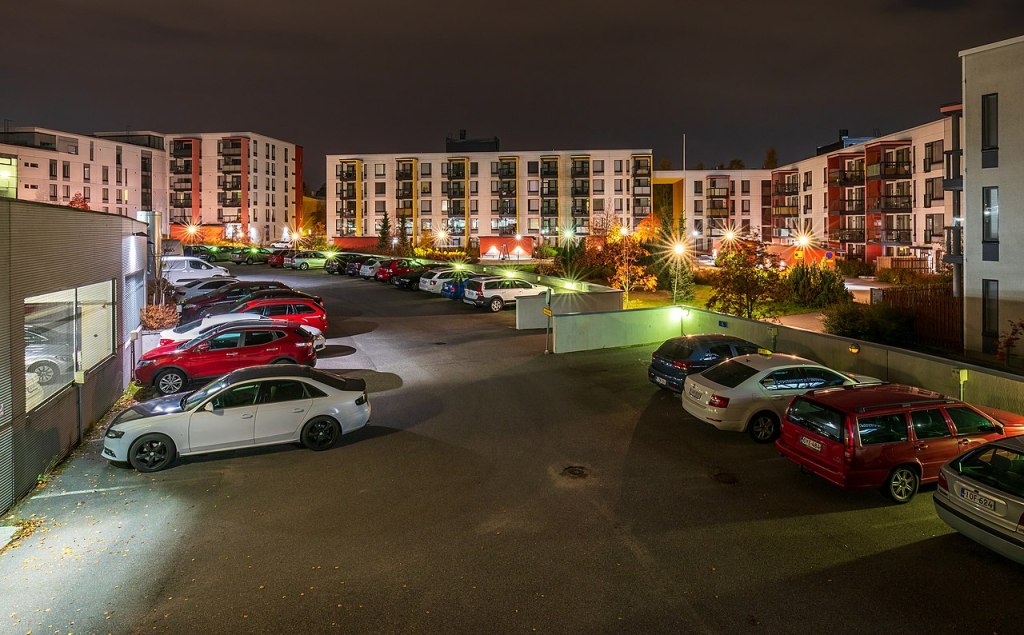
The average apartment-dweller pays $200 a month for a parking space, included in their rent, whether they use it or not.

October 9, 2026
Talking Headways Podcast: The Long Road to Real Transit Progress
Jeff Wood and Reece Martin discuss China’s lessons for American infrastructure.

October 8, 2026

Thursday’s Headlines Are Another Front in the Culture War
David Zipper explains how transportation, once an issue with broad consensus, became politically polarized.
October 8, 2026