Today’s Headlines
Foxx to Congress: “Show a Little Political Courage” on Highway Trust Fund (Reuters, The Hill) California Senate Leader Proposes Fuel Tax for Transit (AP) Foxx, Shuster, Boxer to Speak at Next Week’s AASHTO Event (Better Roads) In L.A., Feds Commit $670M to Light Rail Connector (L.A. Times) Study: Our Most Vibrant Cities Have the Greatest … Continued

By
Katie Pearce
9:04 AM EST on February 21, 2014
- Foxx to Congress: “Show a Little Political Courage” on Highway Trust Fund (Reuters, The Hill)
- California Senate Leader Proposes Fuel Tax for Transit (AP)
- Foxx, Shuster, Boxer to Speak at Next Week’s AASHTO Event (Better Roads)
- In L.A., Feds Commit $670M to Light Rail Connector (L.A. Times)
- Study: Our Most Vibrant Cities Have the Greatest Income Inequality (NYT)
- Florida Bill Would Remove Development Hurdle, But Ignores the Concept of Density (Bradenton Herald)
- Provo BRT Project Gets Attention From Feds (Herald Extra)
- In Michigan, Voters Could Approve New Tax for Transit in May (M Live)
- Colorado Looks at High-Speed Rail to Reduce I-70 Traffic (CBS Denver)
- St. Paul TOD Chief Focuses on Light Rail (Finance & Commerce)
- Smart Growth for Conservatives: Transit Advocates Can’t Ignore the Cost Problems

Streetsblog has migrated to a new comment system. New commenters can register directly in the comments section of any article. Returning commenters: your previous comments and display name have been preserved, but you'll need to reclaim your account by clicking "Forgot your password?" on the sign-in form, entering your email, and following the verification link to set a new password — this is required because passwords could not be carried over during the migration. For questions, contact tips@streetsblog.org.
More from Streetsblog USA
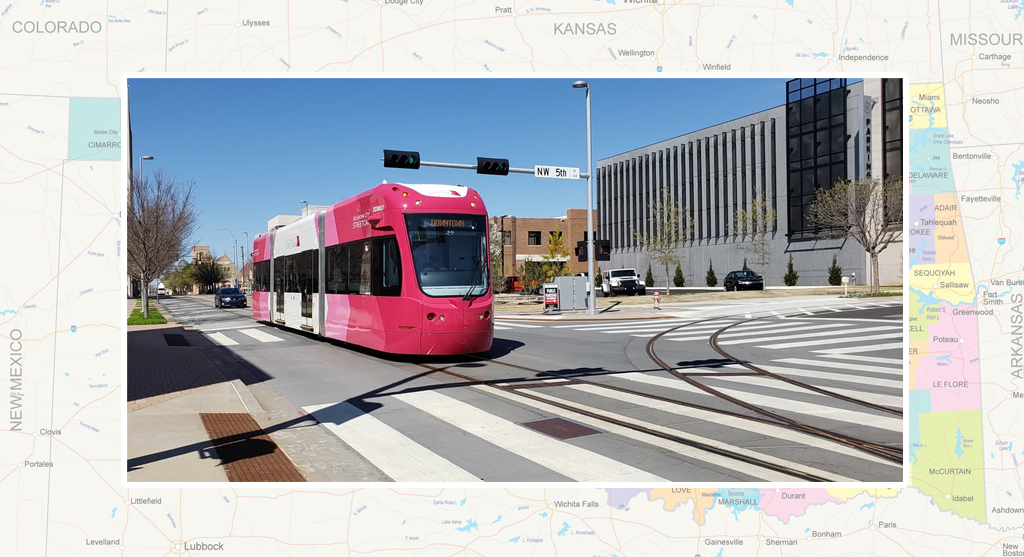
Friday’s Headlines: Streetcars Get Mixed Reviews
As Omaha builds a downtown streetcar line, how have similar projects in other cities panned out?

August 21, 2026
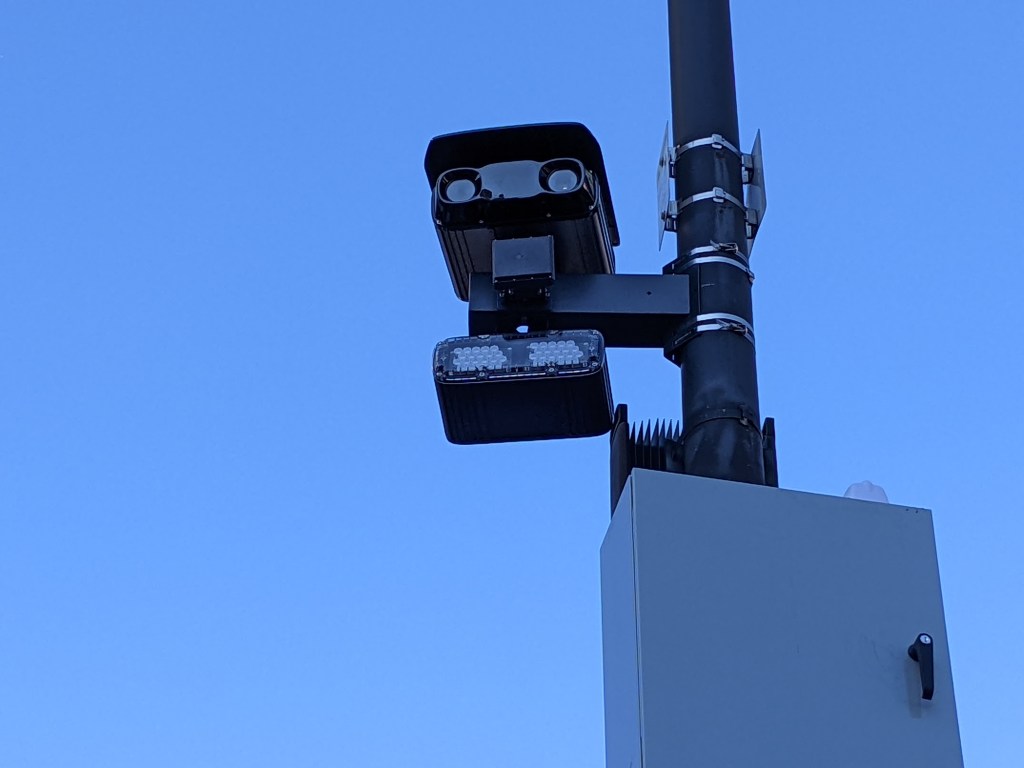
New Report Underscores Success of Speed Cameras in Oakland
Speeding is down at camera locations. But advocates caution against relying too much on cameras without concrete infrastructure

August 20, 2026
Talking Headways Podcast: How Money for Highways Could Have Built 36 Paris Metros
The money we spent on urban freeways could have transformed American cities for the better.

August 20, 2026
Take Thursday’s Headlines Home, Country Roads
The Trump administration wants to build roads through pristine public lands.
August 20, 2026
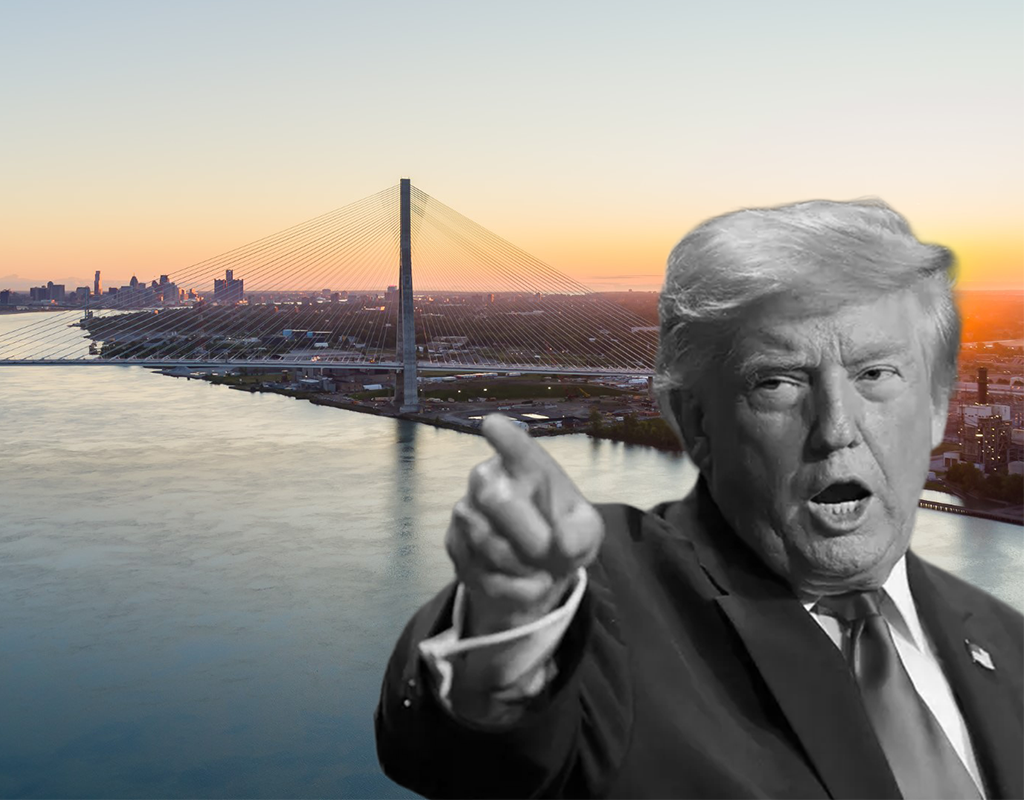
A New US-Canada Bridge Opposed By Trump Has a One-of-a-Kind Bike Path
The bike-ped path on the brand new Gordie Howe International Bridge opened on Aug. 5 despite the president's opposition.

August 19, 2026