What If Someone Made a Car Ad That Reflected Reality?
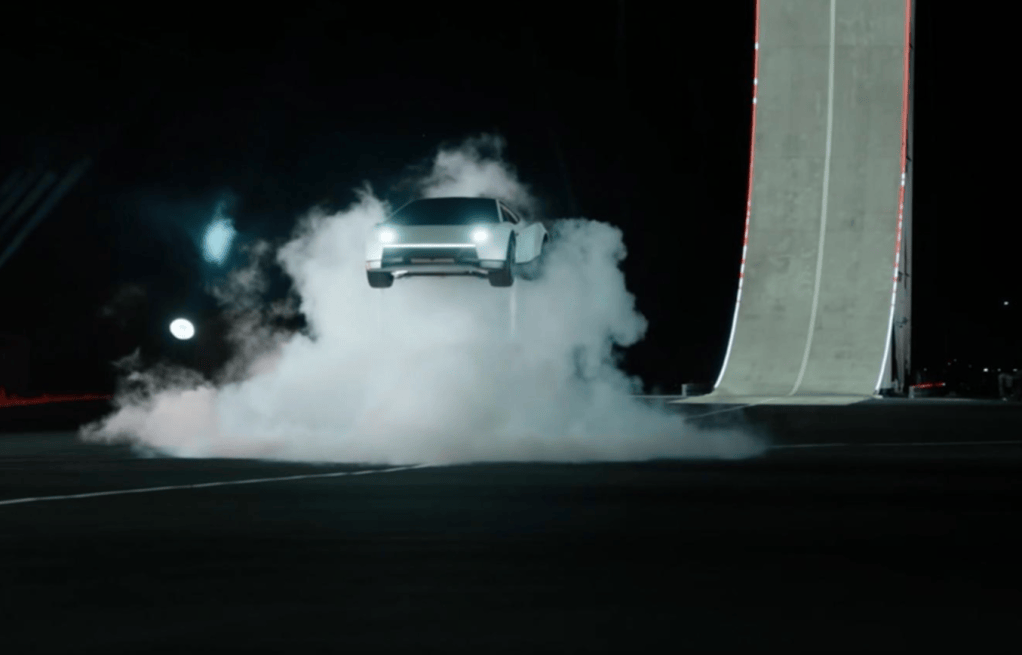
You can’t avoid them: leaping out of your television, a magazine, or the billboard you walk by on the overpass. There they are — cars, sleek and shiny, racing unfettered on some pristine street to the soothing tones of a hyper-masculine narrator.
Copenhagenize has the antidote for anyone who’s ever felt irritated by the dreamy idealization of car commercials. Ivan Conte developed this “reality-based” car spot to counter the slick imagery that auto companies bombard us with.
Copenhagenize’s Mikael Colville-Andersen writes:
It’s no secret that car commercials are, by and large, fiction. Shiny cars roaring along empty streets devoid of traffic jams or scarring their way through impressive landscapes. Selling the dream. With the emphasis on dream.
So. What if car commercials reflected the reality of life on the roads? What if they had to — or were even forced to by laws regarding advertising standards — highlight the carnage that motorists cause on the roads of the world.
Back in 2009, we blogged about our idea that cars should be subject to the same rules regarding tobacco products and be forced to feature health warnings.
Here at Copenhagenize Design Co. we played around and took it the next level, producing a car commercial based in reality instead of fantasy.
That’s one disturbing commercial. How much does a 30-second slot during the Super Bowl cost?
Elsewhere on the Network today: Biking Toronto notes that four out of the city’s top five “fittest city councillors” make biking a part of their daily life. Transport Providence reports that the city is planning to sink $3.1 million into a downtown parking lot. And Streets.mn shares some stats on vehicle mileage in the Minneapolis-St. Paul region, where people drove six million fewer miles in 2011 than in 2008.

Read More:
Streetsblog has migrated to a new comment system. New commenters can register directly in the comments section of any article. Returning commenters: your previous comments and display name have been preserved, but you'll need to reclaim your account by clicking "Forgot your password?" on the sign-in form, entering your email, and following the verification link to set a new password — this is required because passwords could not be carried over during the migration. For questions, contact tips@streetsblog.org.