Seattleites Predict A-Park-alypse If Parking Minimums Are Lifted
Kudos to Seattle Mayor Mike McGinn for proposing a smart regulatory reform package that would, among other things, eliminate parking minimums on new developments near transit stops.

Of course, not everyone gets why it’s good for the city to stop forcing everyone to build parking. In a meeting held this week, many neighborhood residents predicted a car-storage doomsday scenario (people stuck in driveways, having to walk multiple blocks, you get the idea).
Erica C. Barnett of Network blog PubliCola was on hand for the meeting and jotted down these notes:
Reflecting the widespread (and, again, mistaken) belief that the legislation would eliminate existing parking spaces, most commenters opposed to lifting the parking requirement argued that the change would make it impossible for them to park in their neighborhoods.
For example, one property owner in Queen Anne said she already had to walk several blocks to get to her condo and that people in the neighborhood park on curbs, lawns, and any other illegal space they can find, and a self-identified landlord in West Seattle said she currently provides two spaces for every unit in her apartment building, and that without high parking minimums people would “park on the side streets and in residential areas and we can’t even get out of our driveway.”
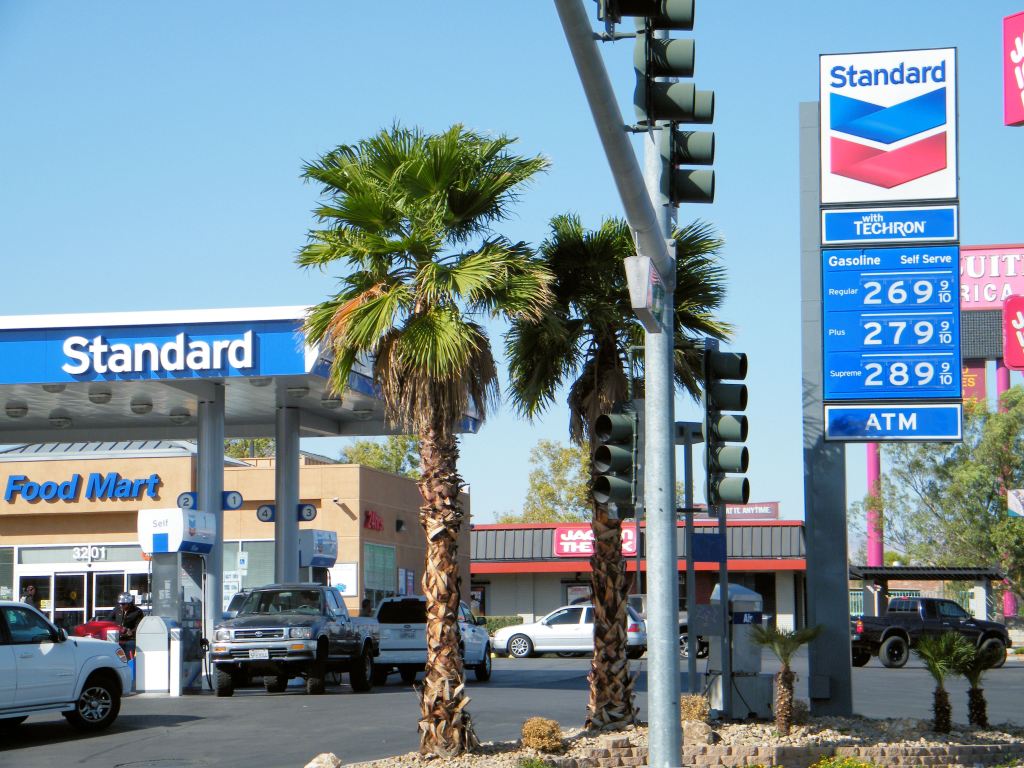
On the flip side, Seattle Central Community College vice president Michael Pham said it was “cost-prohibitive” to require the school, located in the middle of one of Seattle’s densest neighborhoods to provide parking for students who mostly commute by transit. And Eric de Place of the Sightline Institute pointed out that both in per capita terms and in real numbers, people—particularly young people—are driving less. “When I filled up the tank last weekend in my car, gas was $4.30 a gallon, so it’s not surprising that if you’re a young person starting out or trying to make ends meet if you’re of modest means, car ownership is not necessarily a viable alternative” anymore, de Place said.
Elsewhere on the Network today: The Urbanophile shares a 1920s futurist vision for “solving” New York City’s congestion problems by burying vehicle traffic on multiple underground levels. Walk and Bike Berks County says Pennsylvania is about to get a 4-foot passing law. And New Jersey Future reports the state has unveiled a promising new vision focused on “redevelopment” of places already served by infrastructure.

Read More:
Streetsblog has migrated to a new comment system. New commenters can register directly in the comments section of any article. Returning commenters: your previous comments and display name have been preserved, but you'll need to reclaim your account by clicking "Forgot your password?" on the sign-in form, entering your email, and following the verification link to set a new password — this is required because passwords could not be carried over during the migration. For questions, contact tips@streetsblog.org.