Rahall Responds, Says His Transpo Record Is About More Than Just Highways

Earlier this month, we reported that Rep. Nick Rahall (D-WV) was in the running for Ranking Member on the Transportation & Infrastructure Committee in the House. We mentioned our alarm that his ideas about transportation seemed limited and road-centric – specifically, that his website’s issue page on Transportation mentioned only highways, water, and broadband. Got us wondering what he thought about bike-ped access and transit.
We were glad to see today that reporter Taylor Kuykendall from the local Register-Herald newspaper asked Rahall about those omissions.
Rahall said he understands those concerns, and admits they aren’t featured prominently on his website, but that doesn’t mean he ignores those issues.
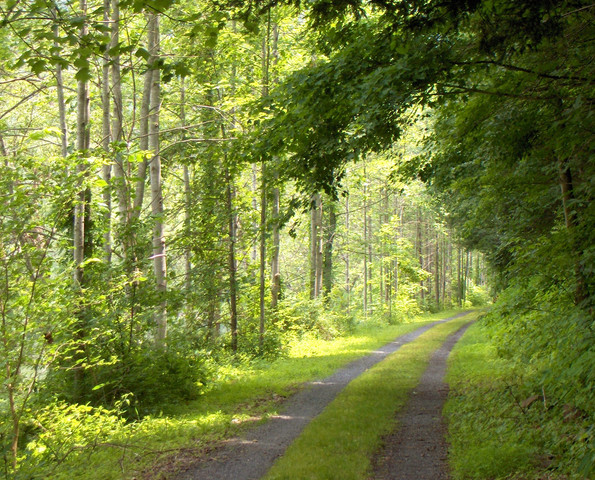
“I don’t give them much play on my website, because while important, they don’t play as prominent a role in the way we move our coal, our goods and our people,” Rahall said. “We don’t benefit as much in West Virginia from all of those categories, but we do have some. Rails-to-trails, for example, and we have bikeways and scenic byways. We have several of those right here in southern West Virginia.”
Now, I like a scenic byway as much as the next lady, but it’s not quite the trailblazing reform that advocates were looking for.
The Rails-to-Trails website lists dozens of trails in West Virginia, and we’re all for that. But Rails-to-Trails’ manager of trail development, Kelly Pack, says those trails get very little commuter use. Rahall is right that his district offers great recreational opportunities to pedestrians and cyclists, but according to Pack, “With the geography and social norms there, people don’t think of bicycling as a form of transportation anywhere in the state.”
Pack herself grew up in Charleston and then lived for seven years in Morgantown, where she commuted by foot on a rail-trail.
Meanwhile, another local West Virginia paper, the State Journal, featured a story yesterday titled, “Public Transportation Flourishes in Rural West Virginia Counties.” It highlights the rural transit authority that carries “more than 55,000 passenger trips per year.”
That’s about 15 minutes worth of work for the New York subway, but this isn’t New York we’re talking about. It’s worth noting that West Virginians are using transit at a scale that works for their wide-open spaces and decentralized population centers. In fact, the article mentions that a new operations facility opened yesterday in Hamlin – in Rep. Rahall’s district.

Read More:
Streetsblog has migrated to a new comment system. New commenters can register directly in the comments section of any article. Returning commenters: your previous comments and display name have been preserved, but you'll need to reclaim your account by clicking "Forgot your password?" on the sign-in form, entering your email, and following the verification link to set a new password — this is required because passwords could not be carried over during the migration. For questions, contact tips@streetsblog.org.