What $13 Billion Looks Like
With the above chart and these comments in mind, here's some food for thought from the PlaNYC Transportation chapter:

By
Brad Aaron
3:18 PM EDT on April 24, 2007

With the above chart and these comments in mind, here’s some food for thought from the PlaNYC Transportation chapter:
- Only 4.6% of working New Yorkers commute to Manhattan by car.
- The vast majority of trips made in New York are not to Manhattan; even among commuters, nearly twice as many outer borough residents work outside of Manhattan as inside — 1.56 million versus 841,000.
- Cars and trucks contribute 20% of the City’s global warming emissions and a large part of the ozone — a serious pollutant that can cause respiratory illnesses like asthma — in our air.
- New York City has the highest bus ridership in the United States, but the slowest buses. As the city grows and vehicles compete for the same road, buses operate at even slower speeds. Between 2002-06 alone, bus speeds across the city slowed by 4%.
- Over the last 30 years, even significant improvements in our subway system have not substantially changed the way New Yorkers get to Manhattan. Despite enhancements in safety, efficiency, and aesthetics, the percentage of drivers has remained essentially unchanged.

Brad Aaron began writing for Streetsblog in 2007, after years as a reporter, editor, and publisher in the alternative weekly business. Brad adopted New York's dysfunctional traffic justice system as his primary beat for Streetsblog. He lives in Manhattan.
Read More:
More from Streetsblog USA
How (And Why) To Capture the Livable Streets Movement on Film
Clarence Eckerson Jr. of Streetfilms talks with "The War on Cars" about how he uses filmmaking as a tool to make cities better.

November 10, 2026
Tuesday’s Headlines Are Still Surfing the Blue Wave
Politicians may not realize it, but U.S. voters are overwhelmingly in favor of transit.

November 10, 2026
The Growing Vehicle Problem That California Needs to Address
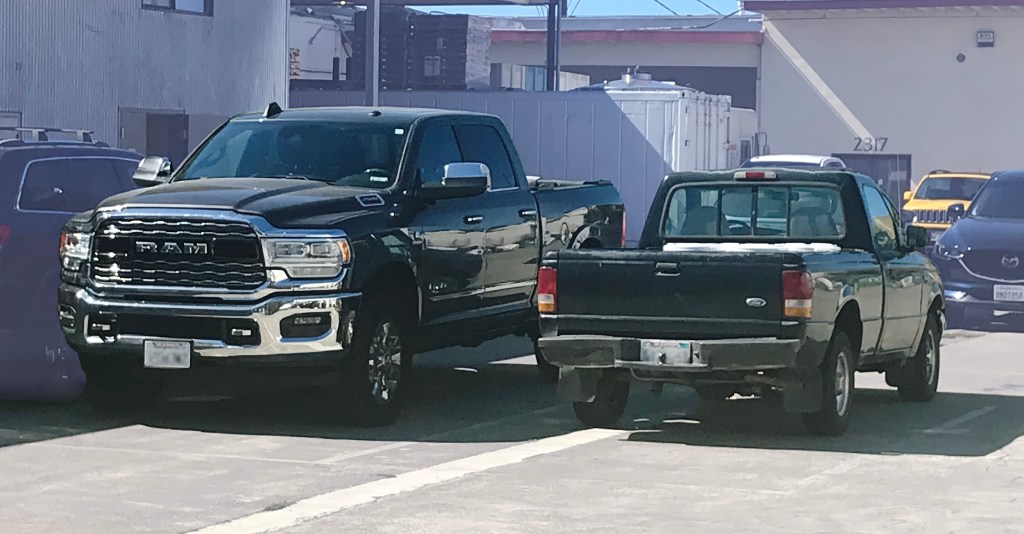
As pedestrian and cyclist deaths rise, the growing size and weight of American vehicles are making streets more dangerous. Here's some solutions: tax oversized vehicles, improve safety ratings and make smaller electric vehicles a more practical option for everyday trips.
November 9, 2026
How to Fight a Freeway 101
A new guide gives advocates the basics to building a campaign against harmful infrastructure in their neighborhoods — and the best time to start is now.

November 9, 2026
Monday’s Headlines Come Heavy or Not at All
The Transport Workers Union takes aim at Amtrak's new policy allowing guns onboard trains.
November 9, 2026