Transit Safety For the People, By the People
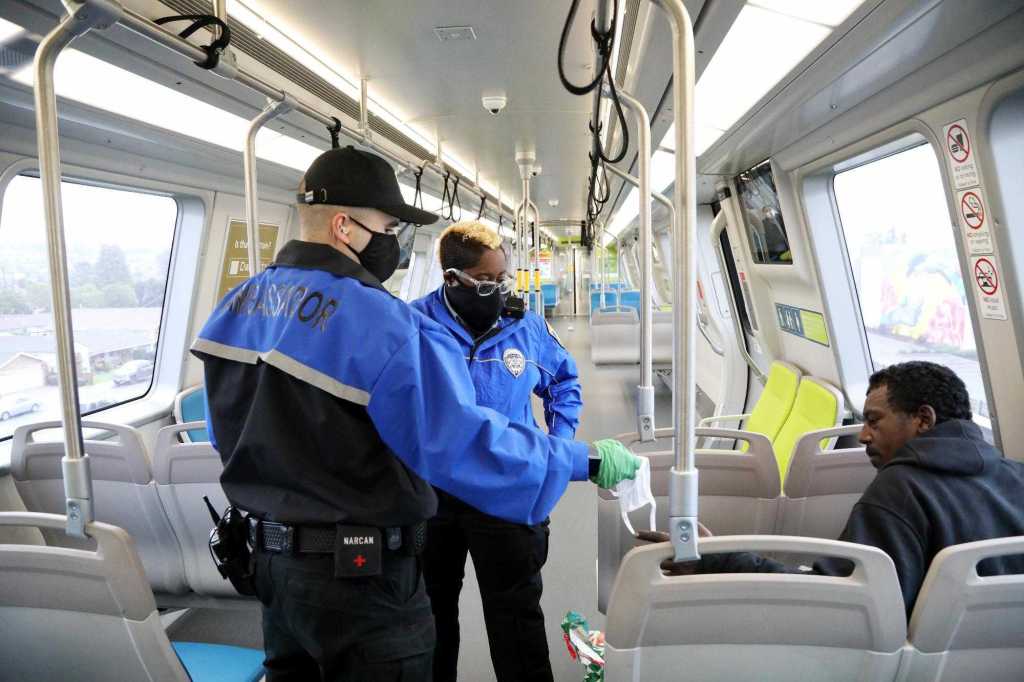
Despite instigating high-profile political spats over transit safety last year, the Trump administration has not come up with any real federal policies to address the issue, besides defunding transit agencies that don’t fix crime on their own. Now, one former transit leader-turned-congresswoman is proposing a community-based solution — and it doesn’t even involve the police.
Last month, Congresswoman Lateefah Simon (D-Calif.) co-introduced the RIDER Safety Act to help transit agencies secure federal funding to hire “transit ambassadors” to work with the traveling public. Officially known as “transit support specialists,” these unarmed positions would answer questions from the public, support those who need help, and resolve minor conflicts — three things that proponents say, collectively, can help deter crime.
“This bill would provide transit agencies the resources needed to improve safety, hire additional security personnel, and strengthen crime‑prevention measures,” said Chris Avila with the Transport Workers Union. “A visible security presence is one of the most effective ways to deter assaults and protect both workers and riders.”
While public transit is safer than driving, the visibility of safety resources like transit ambassadors helps increase perceived safety among would-be riders who incorrectly believe that trains and buses are a haven for violence. Bay Area Rapid Transit (BART) pioneered the model and saw success, even winning the “Innovation in Public Safety” award from TransitCenter in 2020.
“At BART we are listening to our riders, and they have been loud and clear that we need to be safe, clean, and reliable,” said Melissa Hernandez, the current BART Board President. “Our overall crime rate dropped by 41% compared with the previous year. Traditional officers and unarmed staff are working together to provide a visible safety presence that is working to deter unwanted behavior.”
Simon, who helped create BART’s pilot when serving on the system’s board directors, wants to make BART’s results replicable by transit systems across the country.
“I am incredibly proud to champion the RIDER Safety Act in Congress and continue my work to ensure transit is safe, accessible, and affordable to everyone,” said Rep. Simon. “We have seen the success of the transit ambassador programs here in the East Bay, and I am dedicated to bringing this proven public safety model to the rest of the country.”
While the bill does not provide any new funding for communities to launch transit ambassador programs, it does expand existing federal transportation grants to allow agencies to hire ambassadors with that money. And supporters say not only can ambassadors make transit systems safer, but they can also help create deeper partnerships between agencies and their communities — and enhance the local economy.
“This bill would also create jobs [that] provide meaningful work, training opportunities, and a pathway for career growth in local communities,” a press release from Simon’s office said.
For the White House and congressional Republicans who are hammering transit agencies over public safety, passing Simon’s bill would be an easy solution with a track record of success, supporters say.
“Safety is about more than enforcement,” says Kevin Franklin, BART’s own police chief. “It’s about presence, partnership, and creating an environment where all riders feel comfortable.”

Read More:
Streetsblog has migrated to a new comment system. New commenters can register directly in the comments section of any article. Returning commenters: your previous comments and display name have been preserved, but you'll need to reclaim your account by clicking "Forgot your password?" on the sign-in form, entering your email, and following the verification link to set a new password — this is required because passwords could not be carried over during the migration. For questions, contact tips@streetsblog.org.