

Wednesday’ Headlines Are On Autopilot
Don't be afraid of regulating driverless cars out of existence, writes Angie Schmitt. The industry needs guardrails.
By
Blake Aued
12:01 AM EST on December 10, 2025
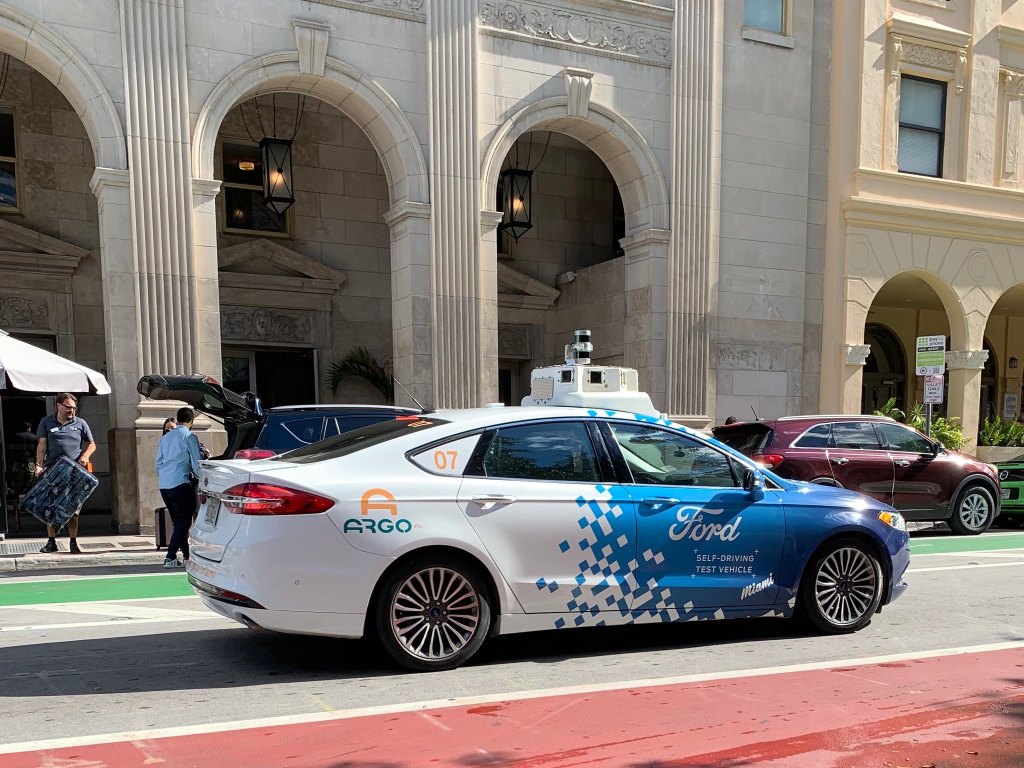
- Autonomous vehicles could very well save lives because humans are such bad drivers, writes former Streetsblog editor Angie Schmitt, but they need to be regulated, and they can’t be the only solution to traffic deaths (Love of Place). In related news, China is coming closer to solving the conundrum of who’s liable when a driverless vehicle hits someone. (Clean Technica)
- So many students are sleeping in their cars that some colleges are starting to provide safe parking lots with access to bathrooms. (Hechinger Report)
- President Trump is once again on the attack against transit — and immigration — after another light rail stabbing in Charlotte (CBS News), and the Federal Transit Administration is threatening to withhold funding from the Chicago Transit Authority after passengers set two fires (NBC Chicago). Reminder: These kids of attacks, while tragic, make the news because they are so rare, whereas cars kill more than 100 people a day.
- A U.S. House bill sponsored by a California Democrat would provide $50 million a year for transit agencies to hire police officers and upgrade safety infrastructure. (The Center Square)
- Congestion pricing cut air pollution in Manhattan by 22%, according to a Cornell study. (Phys.org)
- The D.C. region’s long-term transportation plan spends too much money on highways and not enough on transit. (Greater Greater Washington)
- Portland’s TriMet cut night bus service on five routes last weekend, the first of three cuts planned over the next year as the agency grapples with a $300 million deficit. (Oregon Public Broadcasting).
- Seattle Transit Blog has suggestions for Mayor-elect Katie Wilson to improve bus service.
- L.A. police arrested a guerilla urbanist for painting a crosswalk without a permit. (NBC Los Angeles)
- New Orleans is planning its first bus rapid transit line. (Times-Picayune; paywall)
- Wichita will add bike lanes to Douglas Avenue and swap out angled parker for safer parallel parking. (KWCH)
- Grammy-nominated musician Roderick Macleod was killed while walking his dogs in Rhode Island by a driver who police said had 82 warrants and 40 previous traffic citations. (CBS News)
- Carsharing company Zipcar is leaving the U.K., making it that much harder to get by without a personal automobile. (The Guardian)
- European cities like Paris and Cardiff are restricting huge American-style cars. (AS)

Blake Aued has been doing Streetsblog's daily national news digest for years. He's also an Atlanta Braves fan, which enrages his editor in New York.
Read More:
Streetsblog has migrated to a new comment system. New commenters can register directly in the comments section of any article. Returning commenters: your previous comments and display name have been preserved, but you'll need to reclaim your account by clicking "Forgot your password?" on the sign-in form, entering your email, and following the verification link to set a new password — this is required because passwords could not be carried over during the migration. For questions, contact tips@streetsblog.org.
More from Streetsblog USA
Monday’s Headlines Take Matters Into Our Own Hands
Our editor-at-large Gersh Kuntzman isn't the only one getting up to criminal mischief.
October 12, 2026

Inside Baseball: Kuntzman To Step Down At Streetsblog; David Meyer To Take Over
Streetsblog's longtime editor will take on new challenges. And so will his successor.

October 9, 2026

Friday Video(s): Two Urban Cycling Trips Worth Taking
Choose your own urban cycling adventure: domestic or international edition.

October 9, 2026

Friday’s Headlines Pay a Lot for Parking
The average apartment-dweller pays $200 a month for a parking space, included in their rent, whether they use it or not.
October 9, 2026
Talking Headways Podcast: The Long Road to Real Transit Progress
Jeff Wood and Reece Martin discuss China’s lessons for American infrastructure.

October 8, 2026
