Thursday’s Headlines Are On the Road Again
Is working from home here to stay, or will bosses eventually force their employees to come back to the office? And how will that affect transportation patterns?
By
Blake Aued
12:01 AM EST on January 23, 2025

- Some believe COVID may have changed commuting patterns forever (CityLab). However, more employers are ending their work-from-home policies — especially in cities dominated by the tech industry, like Seattle and San Francisco — creating traffic congestion problems, although it could also help transit agencies struggling for revenue (Government Technology). Most recently, President Trump ordered most federal workers back to the office (Politico).
- Executive order ending the nonexistent “electric vehicle mandate” aside, Trump probably doesn’t have the power to roll back Biden-era federal or state programs encouraging EVs, and even if he did, automakers would likely plow ahead anyway. (CNN)
- One thing Trump does have the power to do, though, is pull the U.S. out of the Paris climate accords again, which he did on Monday. (The Verge)
- Meanwhile, 2024 saw the biggest one-year jump in atmospheric carbon dioxide levels ever (Yale 360), and if the trend continues, the global economy could shrink by half in our children’s lifetimes (Grist). But don’t expect to learn those facts on social media, where new Trump-friendly fact-checking policies are making climate disinformation easier to spread (The Conversation).
- Former Wisconsin congressman Sean Duffy has no apparent management experience or interest in transportation. So why is he Trump’s pick to run the U.S. DOT? (Urban Milwaukee)
- Former transportation secretary Pete Buttigieg awarded $5 billion in grants during his last three weeks in office, and other agencies awarded another $4 billion. (Smart Cities Dive)
- Virginia prosecutors have rarely used a state law making it easier to press charges against drivers who hit cyclists and pedestrians. (Washington Post)
- Charlotte newsletter Transit Time suggests the Silver Line should run along existing freight tracks instead of alongside major roads.
- Austin parks advocates are worried that the Project Connect light rail line will force the removal of greenspace and recreation amenities. (Monitor)
- A new Houston development replaces driveways with shared front yards. (Fast Company)
- Victims of the Los Angeles wildfires are mourning their cars. (New York Times)

Blake Aued has been doing Streetsblog's daily national news digest for years. He's also an Atlanta Braves fan, which enrages his editor in New York.
Read More:
Streetsblog has migrated to a new comment system. New commenters can register directly in the comments section of any article. Returning commenters: your previous comments and display name have been preserved, but you'll need to reclaim your account by clicking "Forgot your password?" on the sign-in form, entering your email, and following the verification link to set a new password — this is required because passwords could not be carried over during the migration. For questions, contact tips@streetsblog.org.
More from Streetsblog USA
Inside Baseball: Kuntzman To Step Down At Streetsblog; David Meyer To Take Over
Streetsblog's longtime editor will take on new challenges. And so will his successor.

October 9, 2026

Friday Video(s): Two Urban Cycling Trips Worth Taking
Choose your own urban cycling adventure: domestic or international edition.

October 9, 2026
Friday’s Headlines Pay a Lot for Parking
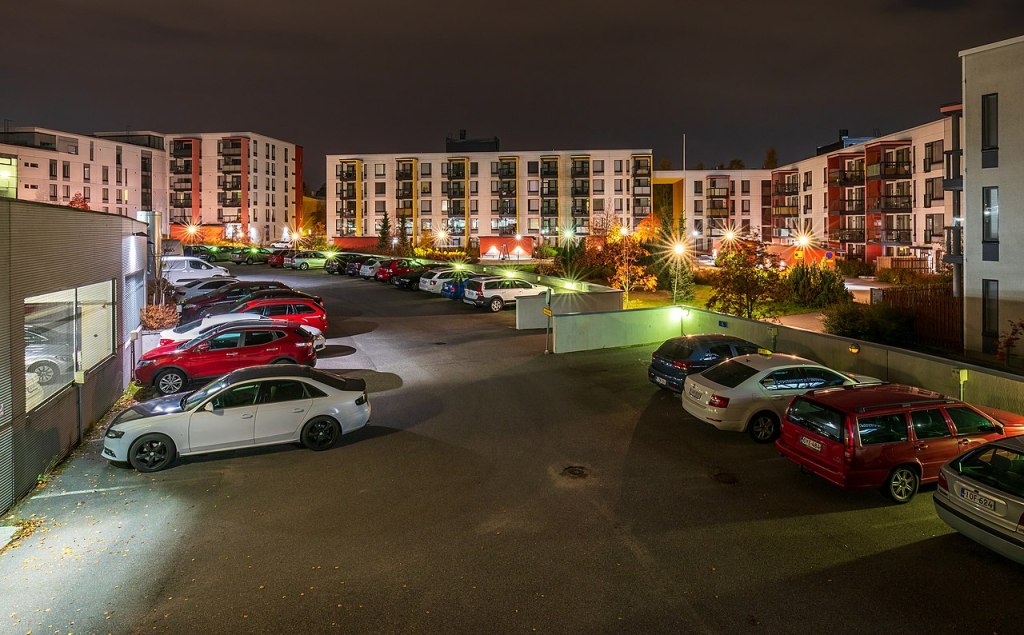
The average apartment-dweller pays $200 a month for a parking space, included in their rent, whether they use it or not.
October 9, 2026
Talking Headways Podcast: The Long Road to Real Transit Progress
Jeff Wood and Reece Martin discuss China’s lessons for American infrastructure.

October 8, 2026

Thursday’s Headlines Are Another Front in the Culture War
David Zipper explains how transportation, once an issue with broad consensus, became politically polarized.
October 8, 2026