Monday’s Headlines Highlight Deadly Drivers
U.S. pedestrian deaths hit their highest level ever, and rose in almost every city, according to Smart Growth America's newly released 2024 Dangerous by Design report.
By
Blake Aued
12:01 AM EDT on June 3, 2024
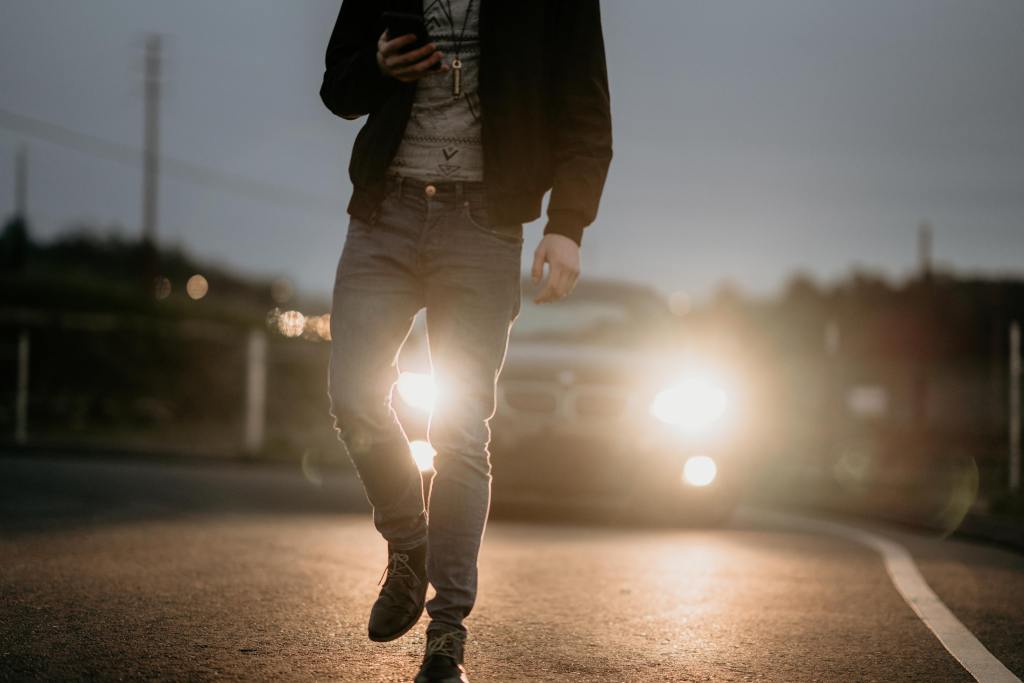
- Smart Growth America‘s latest Dangerous by Design report found that drivers killed more than 7,500 pedestrians in 2022, an astonishing 75 percent increase since 2010, Nonwhites, Sun Belt residents and people who live in low-income neighborhoods are most at risk (Governing). Memphis was named the most dangerous city for pedestrians (Flyer).
- Fifteen-minute cities are a laudable goal, but the economics might not work when it comes to large-scale services like hospitals and supermarkets, according to one Harvard professor. (City Lab)
- The Biden administration announced $1.3 billion to install electric vehicle chargers at apartment buildings and other places people live and work. (E&E News)
- Public transit agencies are transforming into public mobility agencies, incorporating car-sharing and micromobility. (World Economic Forum)
- Cities are turning to technology for parking enforcement to bring in more revenue. (Route Fifty)
- A German company has mapped more than 1,200 cities worldwide that achieved Vision Zero for at least one year. (Forbes)
- Cleveland is changing its zoning laws to discourage parking and encourage transit-oriented development in order to become a 15-minute city. (Scene)
- At long last, Charlotte has cut a deal with freight hauler Norfolk Southern to use its tracks to build the Red Line commuter rail project. (WSOC)
- Michigan Democrats have a plan to redirect $600 million in corporate subsidies to public transit, housing and education. (Bridge)
- In the past two months Washington, D.C. authorities have towed or booted more than 800 cars whose drivers owed a combined $2 million in unpaid tickets. (WUSA 9)
- A Greater Greater Washington writer calls for more transit connections among D.C. neighborhoods, not just downtown.
- Connecticut bus ridership fell by up to a third after the state transit authority reinstated fares. (Connecticut Public)
- Portland is changing the eligibility criteria and fee structure for the free bikeshare program Biketown for All because it got too popular. (Bike Portland)
- A protected bike lane is opening in downtown Anchorage — but only until it starts snowing in the fall. (Alaska Public Media)
- Charleston is getting its first protected bike lane, on River Drive. (Post and Courier)
- The University of Maryland is encouraging people to bike to work this summer.

Blake Aued has been doing Streetsblog's daily national news digest for years. He's also an Atlanta Braves fan, which enrages his editor in New York.
Read More:
Streetsblog has migrated to a new comment system. New commenters can register directly in the comments section of any article. Returning commenters: your previous comments and display name have been preserved, but you'll need to reclaim your account by clicking "Forgot your password?" on the sign-in form, entering your email, and following the verification link to set a new password — this is required because passwords could not be carried over during the migration. For questions, contact tips@streetsblog.org.
More from Streetsblog USA
Friday Video: Inside the Global Far-Right Push To Rip Out Bike Lanes
Toronto might be in the center of the fight to resist bike lane teardown today. But if some far-right politicians have their way, this fight won't be the last.

October 23, 2026

Friday’s Headlines Shoot Themselves in the Foot
Gas taxes pay for transit, too, so what happens when politicians pander to voters, and the highway trust fund runs dry?
October 23, 2026
Talking Headways Podcast: A More Humanized Experience in Honolulu
If we look transit just as a distance issue, but as a time issue, performance should be discussed as one big whole.

October 22, 2026

Our Best Bet To Confront Climate Change in the Trump Era? Build More Apartments
Most climate strategies are hamstrung by Washington and culture wars across the country. But zoning reform may be the exception.

October 22, 2026

What ‘Flying Cars’ Could Mean For US Car Culture
Would fleets of flying cars be a dystopian nightmare, or a chance to create more walkable cities on the ground?

October 22, 2026