Monday’s Headlines Bring Another Setback
The Biden administration's new rule requiring states to report their greenhouse gas emissions from transportation was dealt another blow when the Senate voted to repeal it.
By
Blake Aued
12:26 AM EDT on April 15, 2024
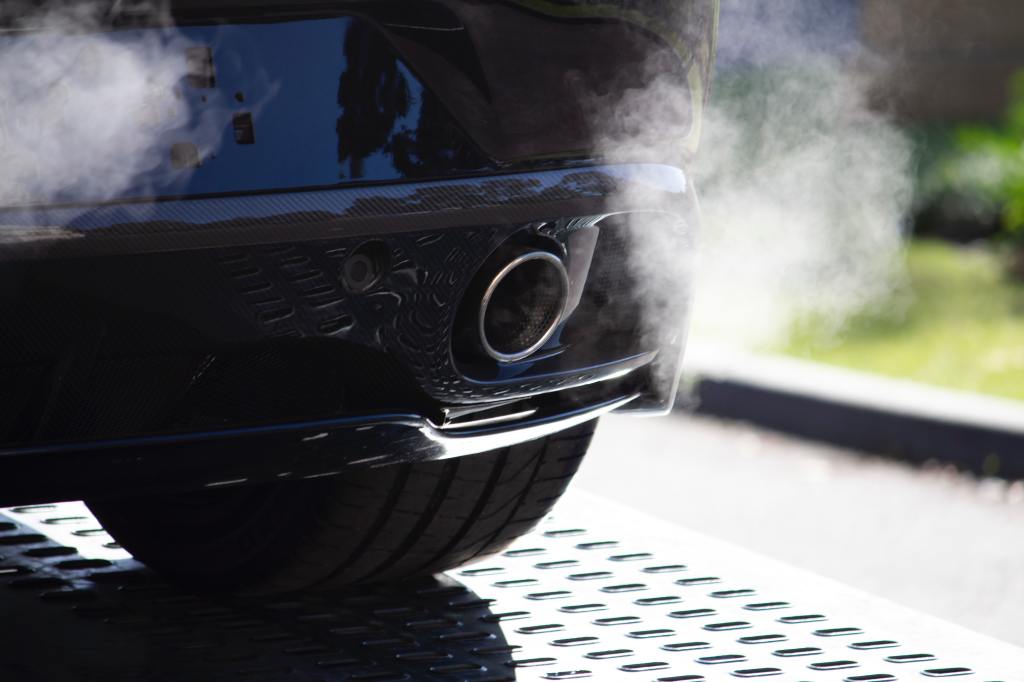
- The U.S. Senate voted to overturn the Biden administration’s rule requiring states to set non-binding performance measures for transportation emissions after two federal judges also struck down the rule. (Transportation Today)
- The answer to concerns about e-bikes from cyclists, drivers and pedestrians is quite simple, according to Electrek: protected bike lanes.
- By 2030 92 percent of EV chargers will be in single-family homes. The U.S. needs more charging options for apartment-dwellers, PC Magazine says.
- Amtrak is much cleaner than flying where its tracks are electrified, like on the East Coast. But greenhouse gas emissions can actually be higher for a diesel train than an airliner. (New York Times)
- Seattle transit advocates are pushing Mayor Bruce Harrell for a more ambitious, less car-centric transportation levy. (Publicola)
- Police are looking for a Seattle driver who drove his SUV onto a downtown sidewalk to run over some tents. (KIRO)
- Uber and Lyft said they won’t end operations in Minneapolis May 1 after the city council pushed back implementation of a minimum wage for drivers. (CNN)
- As Houston Mayor John Whitmire is pausing all bike safety projects, new statistics show that crashes involve cyclists increased by 20 percent last year. (Chron)
- Atlanta Mayor Andre Dickens announced locations for three new MARTA rail stations, but questions remain, like where will the funding come from? (AJC)
- Baltimore mayoral candidates talked about transportation issues like bike lanes and the Red Line during a recent forum. (Banner)
- North Texas cities are looking to beef up transit with new electric buses prior to the 2026 soccer World Cup. (KERA)
- Washington, D.C.’s Capitol Bikeshare recently set a record for highest ridership in a single day. (DC News Now)
- The D.C. DOT stripped bike lanes from the Connecticut Avenue redesign. (4 Washington)
- A Houston cyclist compiled a map of the city’s best and most dangerous bikeways. (Axios)
- Bozeman approved an ordinance banning parking in bike lanes. (NBC Montana)
- Mexico City is sinking 20 inches a year, and so is its transit system, the second-largest in North America. (Wired)

Blake Aued has been doing Streetsblog's daily national news digest for years. He's also an Atlanta Braves fan, which enrages his editor in New York.
Read More:
Streetsblog has migrated to a new comment system. New commenters can register directly in the comments section of any article. Returning commenters: your previous comments and display name have been preserved, but you'll need to reclaim your account by clicking "Forgot your password?" on the sign-in form, entering your email, and following the verification link to set a new password — this is required because passwords could not be carried over during the migration. For questions, contact tips@streetsblog.org.
More from Streetsblog USA
Friday Video: Inside the Global Far-Right Push To Rip Out Bike Lanes
Toronto might be in the center of the fight to resist bike lane teardown today. But if some far-right politicians have their way, this fight won't be the last.

October 23, 2026

Friday’s Headlines Shoot Themselves in the Foot
Gas taxes pay for transit, too, so what happens when politicians pander to voters, and the highway trust fund runs dry?
October 23, 2026
Talking Headways Podcast: A More Humanized Experience in Honolulu
If we look transit just as a distance issue, but as a time issue, performance should be discussed as one big whole.

October 22, 2026

Our Best Bet To Confront Climate Change in the Trump Era? Build More Apartments
Most climate strategies are hamstrung by Washington and culture wars across the country. But zoning reform may be the exception.

October 22, 2026

What ‘Flying Cars’ Could Mean For US Car Culture
Would fleets of flying cars be a dystopian nightmare, or a chance to create more walkable cities on the ground?

October 22, 2026