

Thursday’s Headlines on a Downward Spiral
How to save transit after the pandemic crushed ridership? Find new revenue streams and improve service. But what about fares?
By
Blake Aued
12:00 AM EDT on March 30, 2023
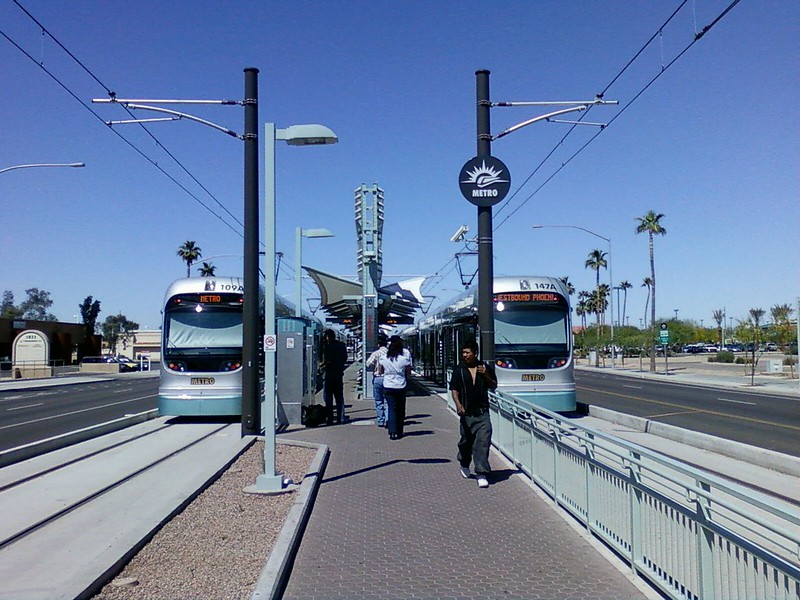
- To avoid a death spiral, transit agencies must convince the public and policymakers that they deserve subsidies because they are indispensable for reducing car trips, congestion and pollution, and don’t just serve people who can’t afford to drive. (Vox)
- Governing agrees with Vox that business as usual won’t bring pre-pandemic riders back, but disagrees on fares, arguing that going fare-free is the future, along with finding new revenue sources and adjusting routes to new travel patterns.
- Academics who’ve been pushing for 15-minute cities are being targeted with death threats by conspiracy theorists. (New York Times)
- Women must be involved in designing infrastructure like protected bike lanes if more women are going to ride bikes. (The Conversation)
- Gov. Maura Healey tapped former Long Island Railroad president Phillip Eng to head the Massachusetts Bay Transportation Authority. (Boston Globe)
- The Wisconsin DOT and the city and county of Milwaukee are moving forward with a plan to turn part of an urban freeway into a boulevard, despite not winning a federal grant. (Urban Milwaukee)
- Bay Area transit officials are considering a pilot project making transfers between various agencies discounted or free. (CBS News)
- A bill requested by the Metro Atlanta Rapid Transit Authority on automated enforcement for bus lanes is on hold until next year. (Saporta Report)
- A previous regime at the Charlotte Area Transit System delayed critical maintenance, resulting in a light-rail derailment last year. (Axios)
- Disability rights groups in St. Louis filed a federal complaint about paratransit cuts. (Post-Dispatch)
- A Florida state senator carved transit workers out of an anti-union bill to avoid jeopardizing federal funds. (Orlando Weekly)
- The North Carolina DOT has not set targets for reducing vehicle miles driven as required by a lawsuit settlement over a toll road. (IndyWeek)
- Spin launched in Richmond, becoming the city’s third bikeshare. (Axios)
- Seattle artists turned a vacant gas station into a community center, an example of how such buildings can be repurposed in the EV era. (Fast Company)

Blake Aued has been doing Streetsblog's daily national news digest for years. He's also an Atlanta Braves fan, which enrages his editor in New York.
Read More:
Streetsblog has migrated to a new comment system. New commenters can register directly in the comments section of any article. Returning commenters: your previous comments and display name have been preserved, but you'll need to reclaim your account by clicking "Forgot your password?" on the sign-in form, entering your email, and following the verification link to set a new password — this is required because passwords could not be carried over during the migration. For questions, contact tips@streetsblog.org.
More from Streetsblog USA
Study: The Missing Ingredient in the Fight To End Car Crash Deaths is… Fewer Cars
The common denominator in every car crash is a car. So why don't we talk about it?

October 27, 2026

Op-Ed: Toronto’s Bike Lane Fight Should Be a Wake Up Call for the US, Too
The people of Toronto have shown up big to protect their bike lanes from removal. Will Americans stand with them?

October 27, 2026

Six Days on the Road and Tuesday’s Headlines May Not Make It Home Tonight
Jalopnik points out that there are certain vehicles that average people have no business driving.
October 27, 2026

Why Deadly, Illegal E-Motos Are On The Rise – And Why E-Bikes Are Being Blamed When They Crash
...and what we can do to protect our kids *and* the e-bike revolution.
October 26, 2026
Monday’s Great Smokey Headlines
While other countries work to reduce greenhouse gas emissions, the U.S. is moving in the opposite direction.
October 26, 2026
