The Brake Podcast: What Happens When Communities DIY Their Own Transit
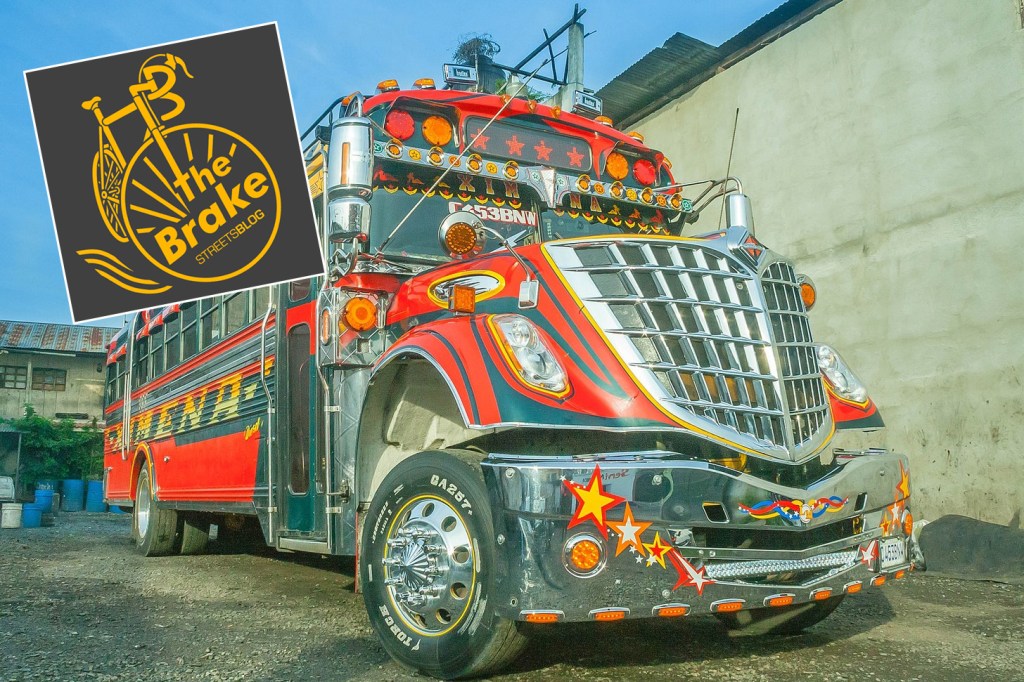
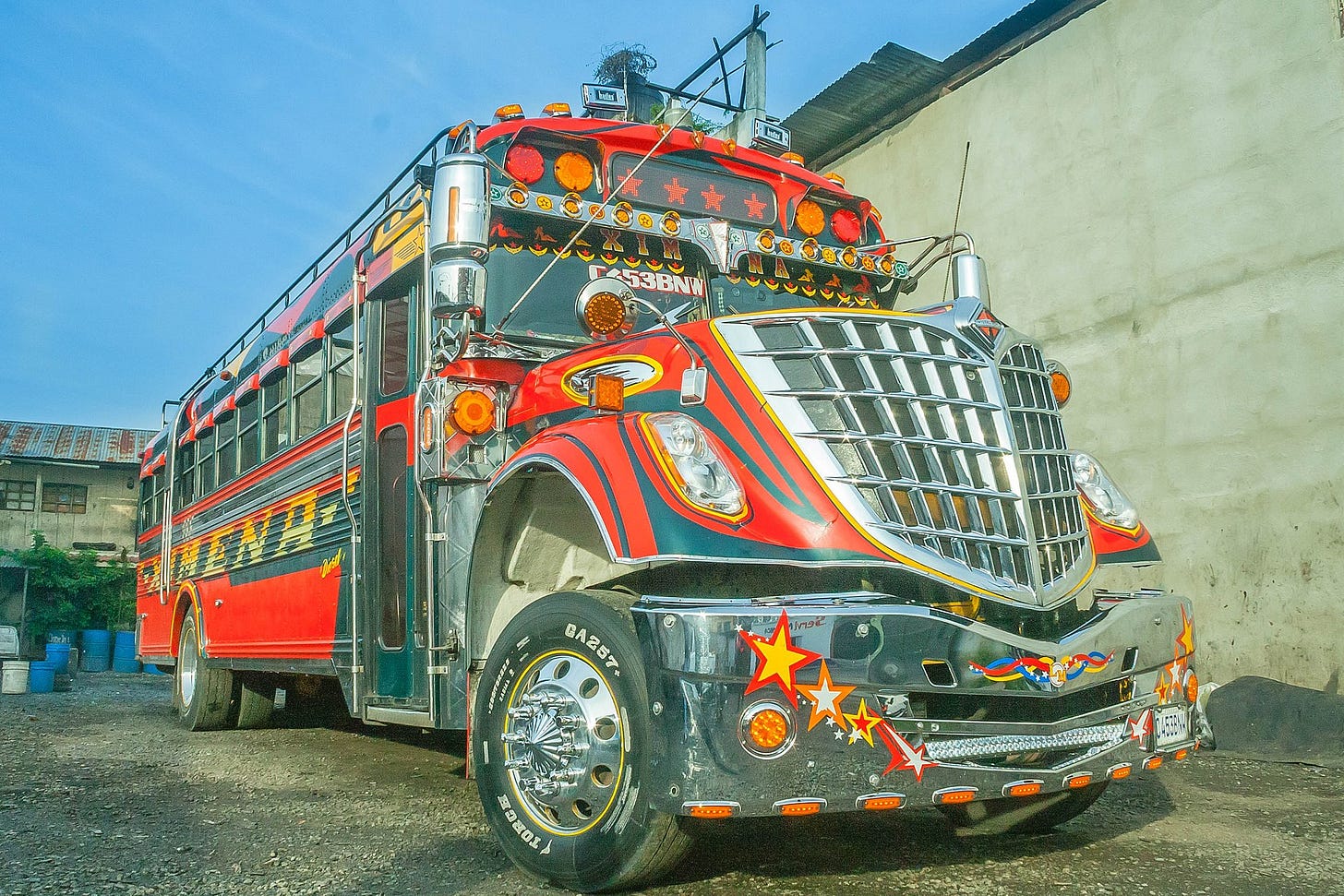
When most U.S. transit advocates picture a “transit vehicle,” they probably imagine a city-owned bus or train, with an official agency logo stamped on the side and a uniformed transit driver tucked behind the wheel. Look a little deeper, though, and you’ll find examples of shared mobility around the world that are nothing but standard-issue — because they’re operated by informal networks of neighbors, rather than traditional agencies.
On this episode of The Brake, host Kea Wilson talks to Benjie de la Peña, chair of the Global Partnership for Informal Transportation and author of the must-read Substack newsletter Makeshift Mobility, about all the ways that people navigate their cities on shared modes without the support of taxpayer-funded public institutions. And though they’re easier to spot in the global south, these modes exist in U.S. cities, too — though not everyone thinks that’s necessarily a good thing.
Still, de la Peña points out that makeshift mobility may move more people than every traditional train, buses, and taxis around the world combined — and it may “represent probably the single greatest lever to decarbonizing the transportation sector” we have.
Tune in below, on Apple Podcasts, or anywhere else you listen for a fascinating conversation about tuktuks, matatus, jitneys, and everything in between, and what the world of informal transportation has to do with decolonizing our collective ideas about what transit can — and should — be.
And in lieu of a normal transcript, check out just a few of the makeshift mobility options that are serving neighborhoods around the globe:



Read More:
Streetsblog has migrated to a new comment system. New commenters can register directly in the comments section of any article. Returning commenters: your previous comments and display name have been preserved, but you'll need to reclaim your account by clicking "Forgot your password?" on the sign-in form, entering your email, and following the verification link to set a new password — this is required because passwords could not be carried over during the migration. For questions, contact tips@streetsblog.org.