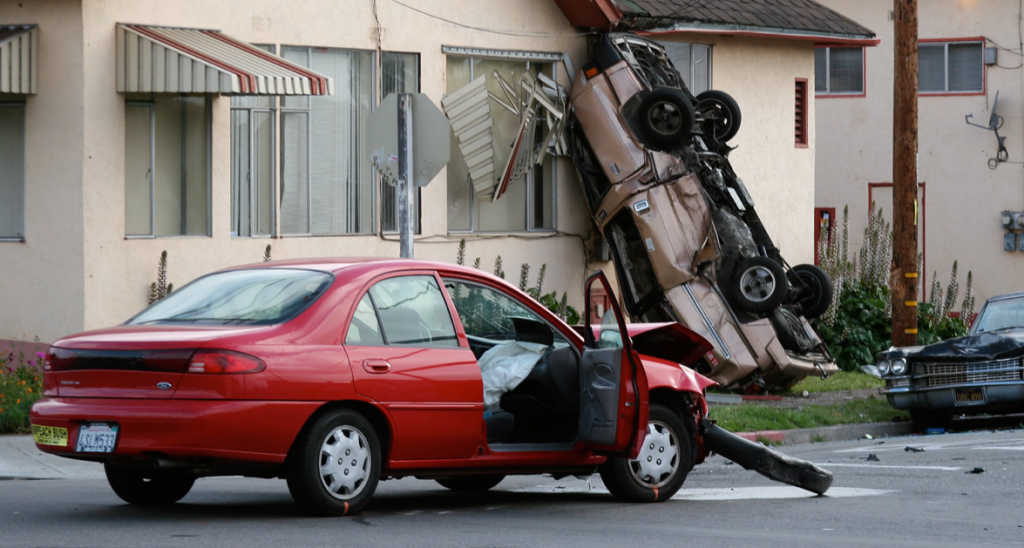
Friday’s Headlines to Ease You Into the Weekend
Meet a cargo bike the size of a van — plus all the other day's news.
By
Blake Aued
1:05 AM EDT on October 9, 2020
- White, highly educated and highly paid people not only have an easier time buying a car, they also have better access to public transportation. This makes it difficult for low-wage workers to access jobs, especially if they have irregular hours. (Urban)
- Despite offloading bike and scooter division Jump, Uber still sees micromobility as a big part of the company’s future. If Prop 22 is successful in California, Uber is also looking at pushing legislation in other states to avoid offering drivers benefits. (Tech Crunch)
- It’s already pretty clear that transit isn’t particularly dangerous when it comes to COVID-19, but the Federal Transit Administration is offering $10 million in grants to research how to mitigate the spread. (Nextgov)
- Some transit agencies are switching to contactless fare payments, but lack of a debit or credit card could be a barrier. (Intelligent Transport)
- New York City women are biking in record numbers during the pandemic because the streets are emptier and feel safer, underscoring the need to permanently transfer space from cars to cyclists and pedestrians. (NY Times)
- The Austin American-Statesman endorses the $7-billion transit plan Project Connect, saying that the cost of pollution and lost hours sitting in traffic is far higher.
- The Houston City Council again delayed a vote on fining drivers $100 for parking in a bike lane. (Community Impact)
- Pittsburgh’s new “neighborways” provide a safe place to bike and calm traffic on residential streets without antagonizing drivers by taking away parking. (NEXT)
- King County, home of Seattle, has put on hold plans to convert one of its busiest bus lines into a rapid route. (Seattle Times)
- The pandemic, privatization and demographic changes are threatening Japan’s bullet trains. (City Lab)
- A Finnish company developed the world’s first electric-powered autonomous street sweeper. (Traffic Technology Today)
- Behold, a cargo bike the size of a van. (Icebike)

Blake Aued has been doing Streetsblog's daily national news digest for years. He's also an Atlanta Braves fan, which enrages his editor in New York.
Read More:
Streetsblog has migrated to a new comment system. New commenters can register directly in the comments section of any article. Returning commenters: your previous comments and display name have been preserved, but you'll need to reclaim your account by clicking "Forgot your password?" on the sign-in form, entering your email, and following the verification link to set a new password — this is required because passwords could not be carried over during the migration. For questions, contact tips@streetsblog.org.
More from Streetsblog USA
Report: Building More Homes Reduces Overall Driving
Building more homes will get cars off the road, but where they’re built matters.

August 6, 2026
Thursday’s Headlines Cut Away
A U.S. Senate bill would result in the loss of $950 million in transit infrastructure funding.
August 6, 2026

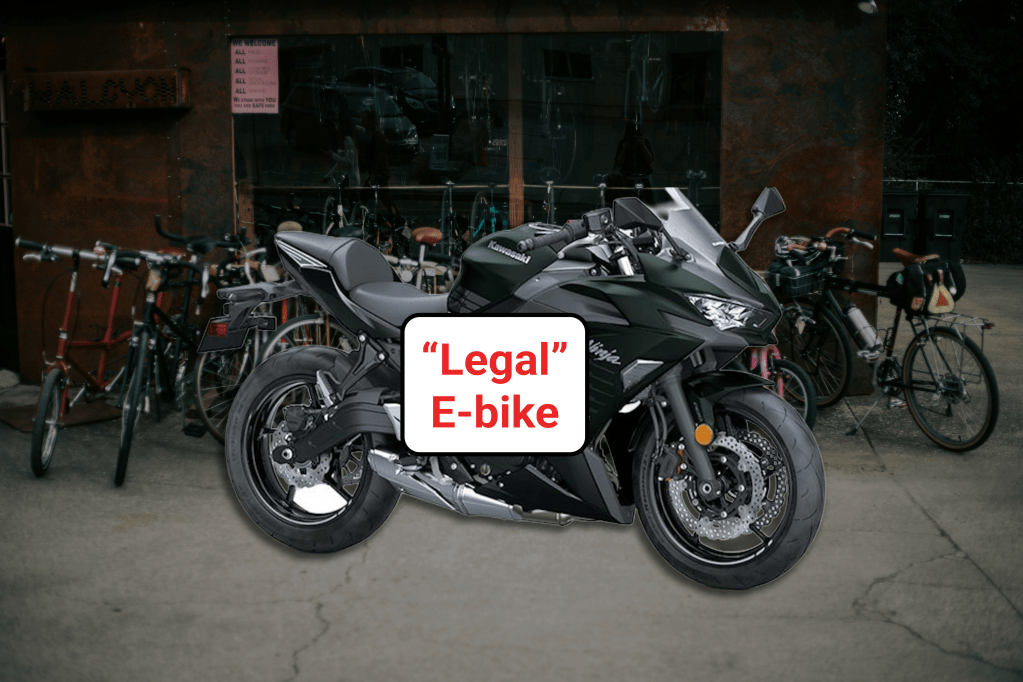
State Lawmakers Aim At Illegal E-Motos, But Hit E-Bikes Instead
A deceptive and widespread marketing tactic has tricked families into purchasing dangerous e-motos and fooled lawmakers into pushing laws that would make streets even less safe.
August 5, 2026
Wednesday’s Headlines Flock Together
Some traffic enforcement cameras are installed in a way that makes them dangerous to road users.
August 5, 2026

Tuesday’s Headlines Face Their Fears
A third of Americans say car crashes are the biggest threat to their safety.
August 4, 2026