

Wednesday’s Headlines
The Michael Bloomberg-funded Asphalt Art Initiative will give 10 cities grants to create colorful crosswalks and street plazas. While the Federal Highway Administration has tried to get some cities to paint them over, claiming they’re dangerous, other experts say they increase foot traffic and often lead to permanent safety improvements. (Curbed) An Australian study says … Continued
By
Blake Aued
8:34 AM EDT on October 30, 2019
- The Michael Bloomberg-funded Asphalt Art Initiative will give 10 cities grants to create colorful crosswalks and street plazas. While the Federal Highway Administration has tried to get some cities to paint them over, claiming they’re dangerous, other experts say they increase foot traffic and often lead to permanent safety improvements. (Curbed)
- An Australian study says that self-driving cars will make congestion worse because people will take more trips and use transit less. (Study Finds)
- Housing policy is transportation policy, because if people can afford to live where they work, they don’t have to travel far, Atlanta experts said during a recent panel discussion (Reporter). Raleigh planners are treating it that way, as they’re asking residents to consider denser and more affordable housing near an upcoming bus rapid transit line (News & Observer).
- Mayor Bill de Blasio and the New York City Council have agreed on a $1.7 billion plan to build 250 miles of protected bike lanes as cyclists deaths continue to spike (NY Times). But don’t expect to see improvements anytime soon — it will be up to de Blasio’s successor to come up with the details (Streetsblog NYC).
- The Charlotte city council put off a vote on the Silver Line because questions remain about how to pay for the $6- to $8-billion light rail line. (Observer)
- Crashes are down 20 percent at Austin’s nine most dangerous intersections, thanks to safety improvements paid for by a transportation bond referendum. (American-Statesman)
- Knoxville has over 400,000 parking spots — twice as many as there are people — and planners are starting to think about how to repurpose some of that space. (WBLR)
- As The Hop approaches its one-year anniversary, Mayor Tom Barrett says the streetcar will remain fare-free for the foreseeable future. (WTMJ)
- Cleveland has received $15 million for transit from Ohio’s recent gas tax hike. (Plain Dealer)
- Ann Arbor has its first two-way protected cycle track. (All About Ann Arbor)
- Ah the French (well, at least French Canadians) are so polite. An American would just drive through these pedestrian-saving barriers. A must watch via Twitter from BrentToderian.

Blake Aued has been doing Streetsblog's daily national news digest for years. He's also an Atlanta Braves fan, which enrages his editor in New York.
Read More:
Streetsblog has migrated to a new comment system. New commenters can register directly in the comments section of any article. Returning commenters: your previous comments and display name have been preserved, but you'll need to reclaim your account by clicking "Forgot your password?" on the sign-in form, entering your email, and following the verification link to set a new password — this is required because passwords could not be carried over during the migration. For questions, contact tips@streetsblog.org.
More from Streetsblog USA
Study: The Missing Ingredient in the Fight To End Car Crash Deaths is… Fewer Cars
The common denominator in every car crash is a car. So why don't we talk about it?

October 27, 2026

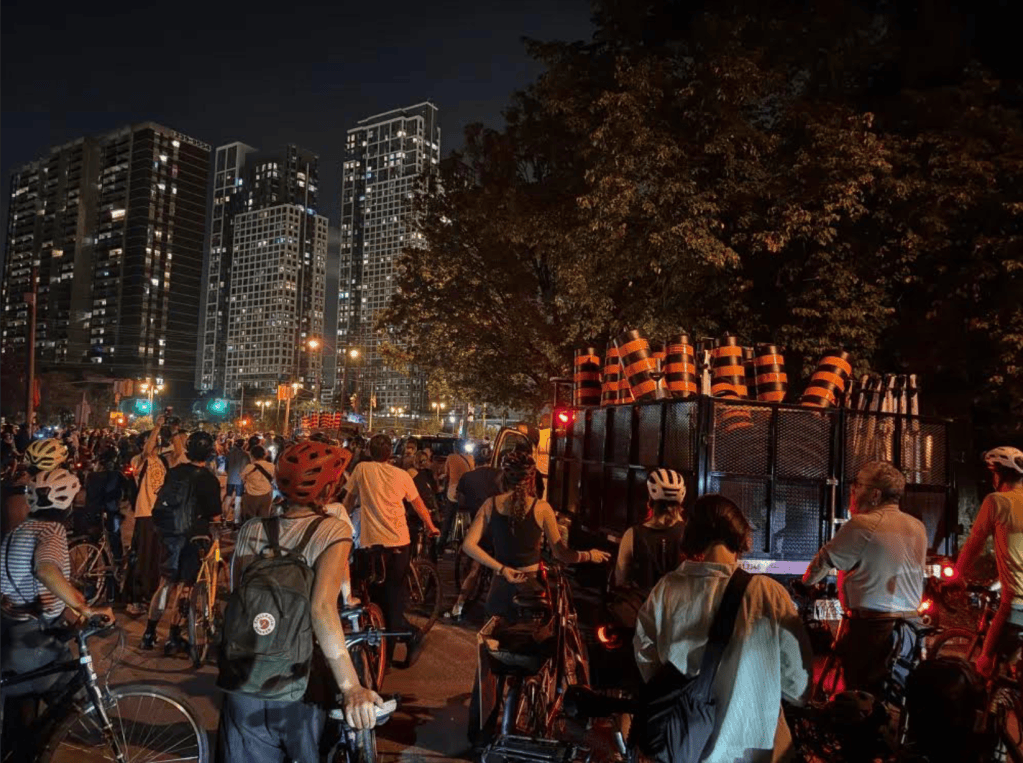
Op-Ed: Toronto’s Bike Lane Fight Should Be a Wake Up Call for the US, Too
The people of Toronto have shown up big to protect their bike lanes from removal. Will Americans stand with them?

October 27, 2026
Six Days on the Road and Tuesday’s Headlines May Not Make It Home Tonight
Jalopnik points out that there are certain vehicles that average people have no business driving.
October 27, 2026

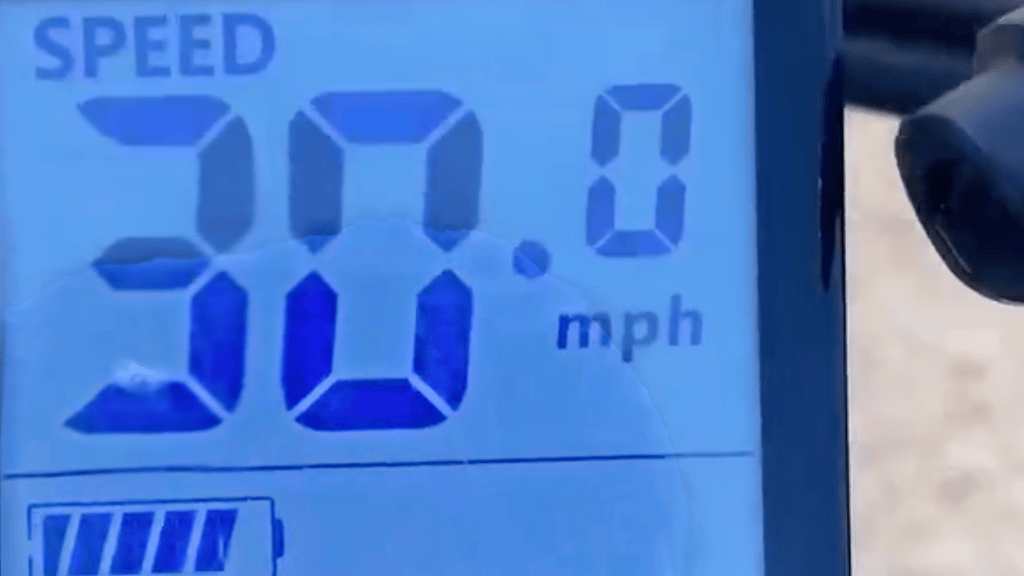
Why Deadly, Illegal E-Motos Are On The Rise – And Why E-Bikes Are Being Blamed When They Crash
...and what we can do to protect our kids *and* the e-bike revolution.
October 26, 2026
Monday’s Great Smokey Headlines
While other countries work to reduce greenhouse gas emissions, the U.S. is moving in the opposite direction.
October 26, 2026
