People need to live and work radically differently if the United States can even hope to get halfway towards becoming carbon neutral by 2050, but a new paper released last month says the most important change would come in how we get around.
Curbing greenhouse gas emissions starts with how we drive, given that vehicle exhaust accounts for 29 percent of the country's greenhouse gas emissions — but America is moving in the wrong direction, thanks to more people driving around more in bigger, less-efficient cars.
"Just as transportation has recently become the largest emitter in the economy, it also has the largest potential for emissions reductions over the next 30 years," Therese Langer, the program director for the American Council for an Energy-Efficient Economy Transportation, told Streetsblog.
Researchers with the ACEEE calculated the country could eliminate 2.461 billion metric tons of carbon dioxide emissions, about half the country's current output, and save about 47.1 quadrillion BTUs, according to their paper, "Halfway There: Energy Efficiency Can Cut Energy Use and Greenhouse Gas Emissions in Half by 2050."
Those savings could be achieved by constructing energy-efficient homes and offices, rehabilitating existing buildings, modernizing industry, making appliances that use less energy, and adopting stricter fuel economy standards. But if Americans altered their transportation habits, pollution could be slashed by an amount nearly equal to reductions from the rest of the economy combined.
"We have a pretty good grasp of the technologies required to get there and what policies can get us there," Langer said. "The fact is we need to be improving both the efficiency of vehicles and changing the way we use them."
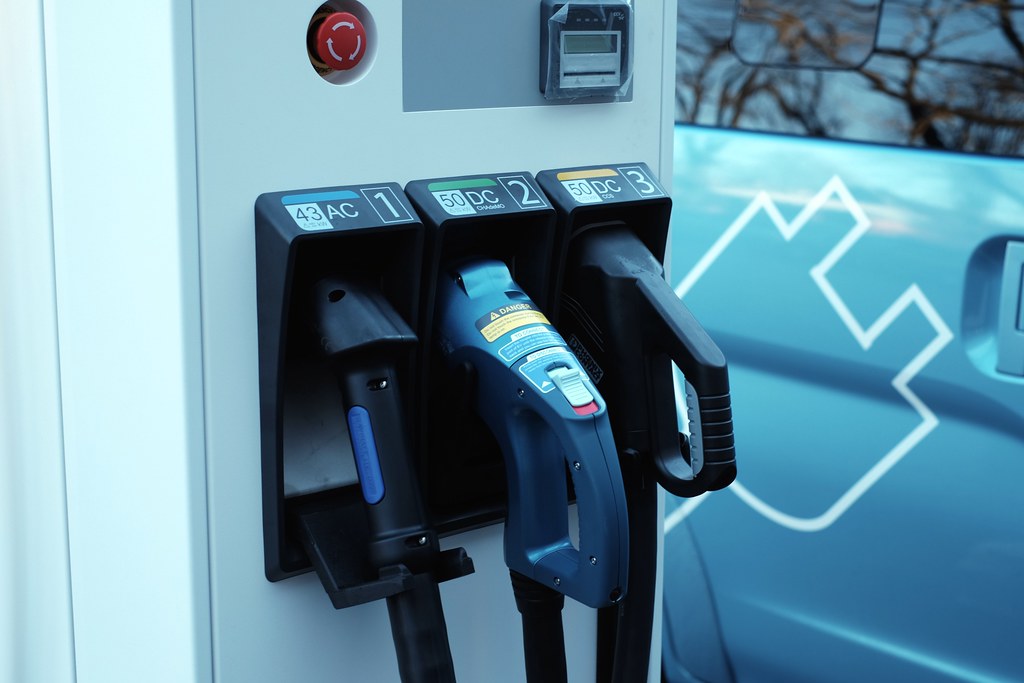
If drivers bought more electric and hybrid cars instead of pollution-spewing SUVs, and if gas-powered trucks and other vehicles became more fuel efficient, the country would eliminate 754 million electric tons of carbon dioxide, the ACEEE report said.
Yet other more significant changes, such as encouraging drivers to forgo their cars by using mass transit, encouraging carpooling, instituting vehicle taxes and fees, and the adoption of congestion pricing policies, could eliminate 129 million electric tons of CO2 while the reduction of truck transport for moving freight in favor of railroads could slash another 107 million electric tons, the report found, for a total of about 1 billion electric tons of carbon emissions.
"Driving a more efficient vehicle won't require significant behaviors," Langer said. "Realizing the potential to make changes in the way people get around is an opportunity for major changes for The better. People should be picturing a rather dramatic change in their choices for how they get around, and the amount they need to rely on motor vehicles can and should change dramatically by mid-century."
Auto emissions are helping to warm the planet. See how much they are rising in United States cities — your city — in these detailed maps, https://t.co/4u4ARh508A?
— NYT Climate (@nytclimate) October 11, 2019
American cities need to get started on this path. Thanks to a steady increase in American car ownership fueled by low-interest auto loans and cheap gas in the past decade, emissions levels are rising in many cities at rates higher than their population growth.
Phoenix's emissions skyrocketed 291 percent between 1990 and 2017 or 86 percent per person over the same period, among the highest emission levels in the country, according to emissions figures analyzed by Boston University and the New York Times.
In the Denver metro area, emissions rose 102 percent or 16 percent per person since 1990, while in Dallas, they rose 133 percent or 27 percent per person.
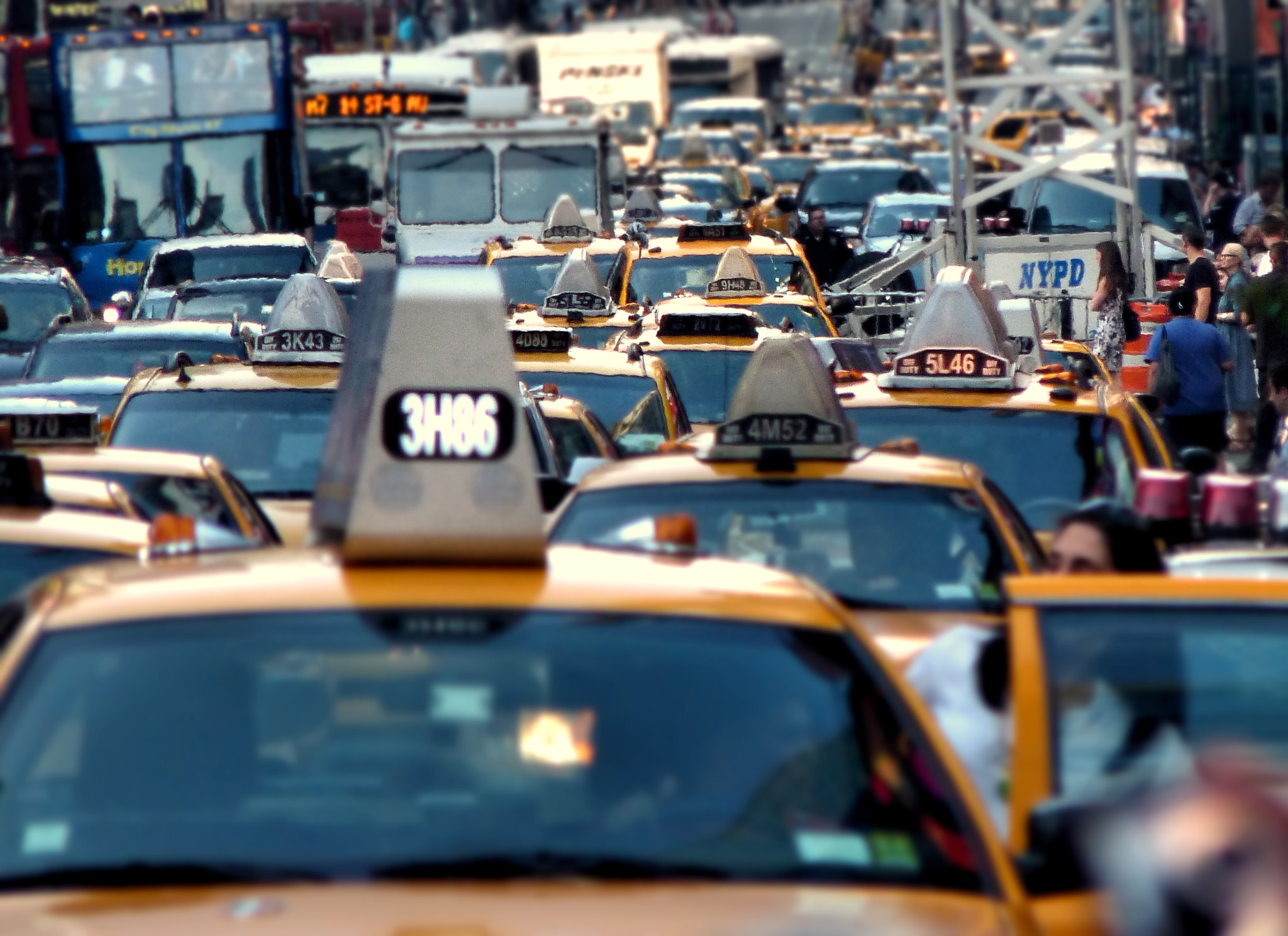
Even in New York, where mass transit is ingrained in the region's culture, carbon emissions rose 27 percent, or about 9 percent per person since 1990, accounting for the largest share of CO2 emissions in the country, thanks to its large population of everyday drivers. But per capita emissions in New York are among the lowest in the country.