

Monday’s Headlines: Year-in-Review Edition
Streetsblog hopes your holidays were as happy as ours. But before we fully drum out 2018, here are a few year-end headlines recapping 2018 and looking ahead to 2019 as we ring in the new year.
By
Blake Aued
12:01 AM EST on December 31, 2018
Streetsblog hopes your holidays were as happy as ours. But before we fully drum out 2018, here are a few year-end headlines recapping 2018 and looking ahead to 2019 as we ring in the new year.
- Tech Crunch looks back at the massive funding rounds, acquisitions and legislative battles that made 2018 the Year of the Electric Scooter.
- E-scooters: Threat or menace? (Forbes)
- San Francisco’s goal of zero traffic deaths by 2024 is slipping away. Drivers killed 22 people in 2018, four more than the previous year. (Examiner)
- It took over 20 years for Oklahoma City to build the streetcar that opened last month because local congressmen kept quashing requests for federal funding. Rep.-elect Kendra Horn won in November partly because she supports the streetcar. (Oklahoman)
- A Duke Chronicle FAQ will get you caught up on the Durham-Orange, N.C. light rail project.
- The Globe ranks Boston’s transit lines by reliability, and let’s just say Green Line riders aren’t so lucky. In related news, CommonWealth magazine makes the case for increasing funding for regional transit in Massachusetts. Meanwhile, the Boston Herald suggests that the marketplace, not “utopian” schemes, will solve congestions problems. If that were true, wouldn’t the invisible hand have worked its magic already?
- The Tampa Bay Times lists 10 upcoming road projects that will make commuters’ lives easier — at least until induced demand kicks in. To be fair, a few do involve bike lanes, crosswalks and sidewalks.
- WKRN in Nashville recaps how voters rejected a $5-billion transit plan, blaming the failure on the cost. (Not mentioned: then-mayor Megan Berry’s affair and subsequent resignation or Koch brothers dark money.) The fallback plan apparently includes doubling down on freeways, and it’s hard to imagine how that would be cheaper, let alone reduce congestion in the long run.
- Half of King County, Washington’s $4.8-billion transportation spending goes to transit, according to a Seattle Times breakdown of county agencies’ budgets.
- Seattle is the first U.S. city to hit 2 million Lime bike rides. (KIRO)
- Memphis’s Explore Bike Share is poised for growth in 2019. (Commercial Appeal)

Blake Aued has been doing Streetsblog's daily national news digest for years. He's also an Atlanta Braves fan, which enrages his editor in New York.
Read More:
Streetsblog has migrated to a new comment system. New commenters can register directly in the comments section of any article. Returning commenters: your previous comments and display name have been preserved, but you'll need to reclaim your account by clicking "Forgot your password?" on the sign-in form, entering your email, and following the verification link to set a new password — this is required because passwords could not be carried over during the migration. For questions, contact tips@streetsblog.org.
More from Streetsblog USA
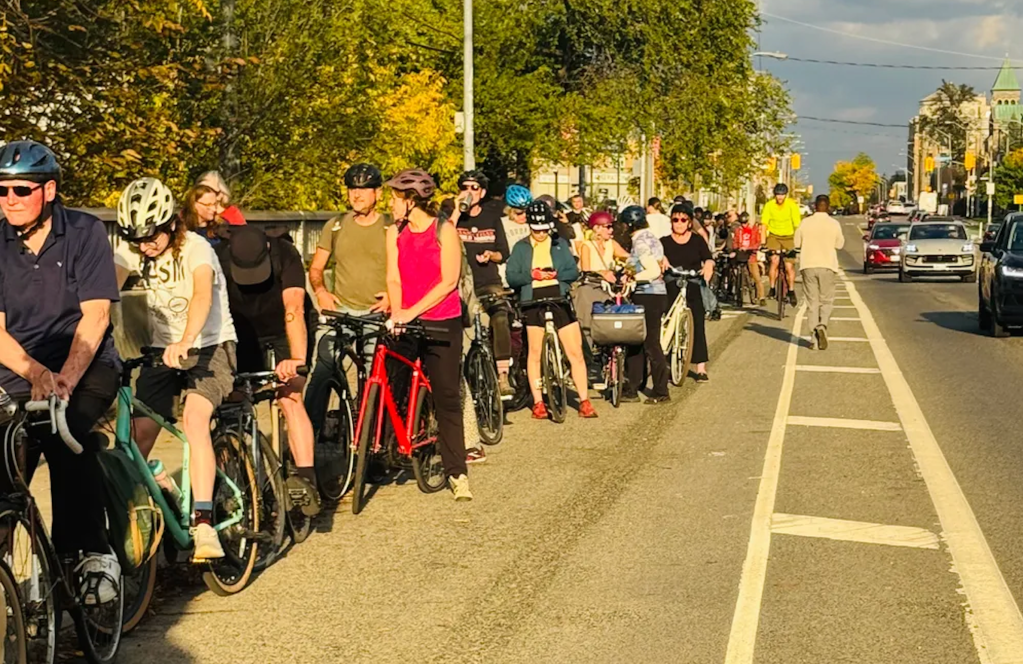
‘Premeditated Road Violence’: Toronto Protestors Block Bike Lane Removal
Toronto advocates are putting their bodies on the line to protect a bike lane the province wants to rip out — and and to fight a wave of anti-bike lane sentiment that this writer warns is sweeping the whole continent.

October 21, 2026
Take a Risk on Wednesday’s Headlines
Transit agencies that bet on high diesel costs are reaping rewards, but the strategy doesn't always work out.
October 21, 2026
Why US Roads Are Full of SUVs and Trucks, Part II
Yesterday, we looked at how SUVs and pick-ups captured the new car market. Today, let's talk about how they captured the used car market as well.

October 21, 2026
When Are Parking Debates Just A Smokescreen for Hate?
A new paper finds that mosques are more likely to face pushback over parking than other houses of worship. What should planners do about it?

October 20, 2026

Tuesday’s Headlines Do the Robot
Cities and states are filling the void, but the feds really need to step in to set rules for autonomous vehicles.
October 20, 2026
